
Clinical Training and Consultation
From the People Who Have Actually Done This Work.
The Evidence-Based Treatment Institute offers case consultation, clinical supervision, didactic training, and program development support for therapists, early-career clinicians, and treatment teams building evidence-based programs. Led by current academic faculty with combined careers spanning training programs, university affiliations, and national consultation, we offer the depth of academic rigor with the practical precision of specialist private practice.
Specializing in ERP for OCD, FBT and CBT-E for eating disorders, SPACE for childhood anxiety, Schema Therapy, RO-DBT, and complex co-occurring presentations.
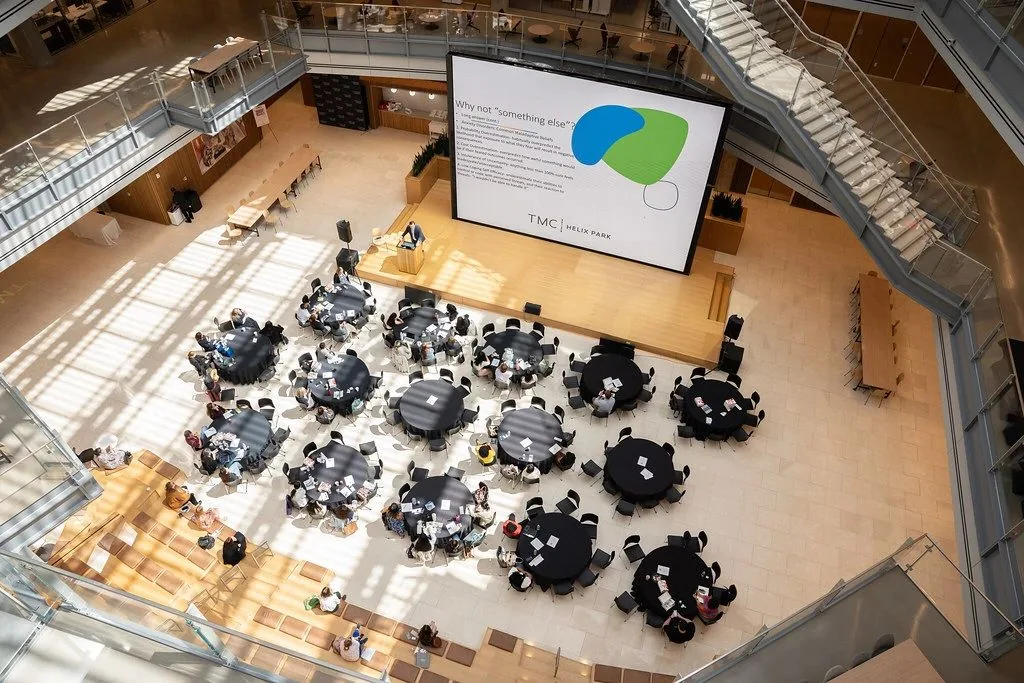
Academic Pedigree. Private Practice Precision. Both, in the Same Room.
Most clinical training comes from one of two places: academic programs strong on theory but light on real-world complexity, or practicing clinicians rich in experience but without the research foundation. Our team brings both: current Baylor College of Medicine faculty and Training Institute for Child and Adolescent Eating Disorders faculty alongside specialists who treat these conditions every day. What you learn is grounded in the research and tested against the cases you're actually carrying.
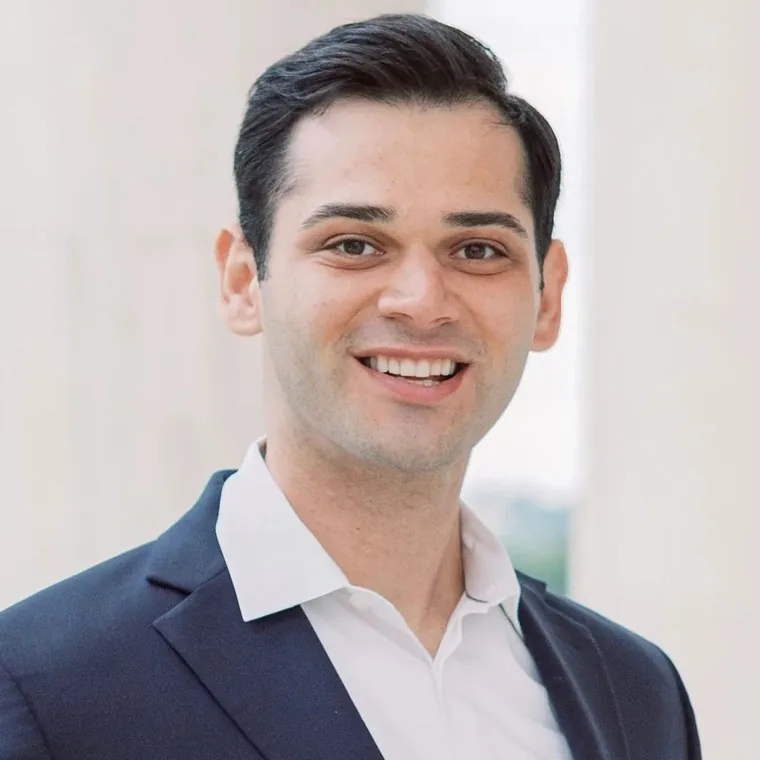
Zach Appenzeller, PsyD
Clinical Assistant Professor in Baylor College of Medicine's OCD Program and founding director of the UTHealth Houston Center for Eating Disorders, where the integrated model at the core of this practice was developed. A recipient of McGovern Medical School's Dean's Teaching Excellence Award, he created the FAM Model and has trained clinicians across medicine, psychology, and social work nationally.
Full Bio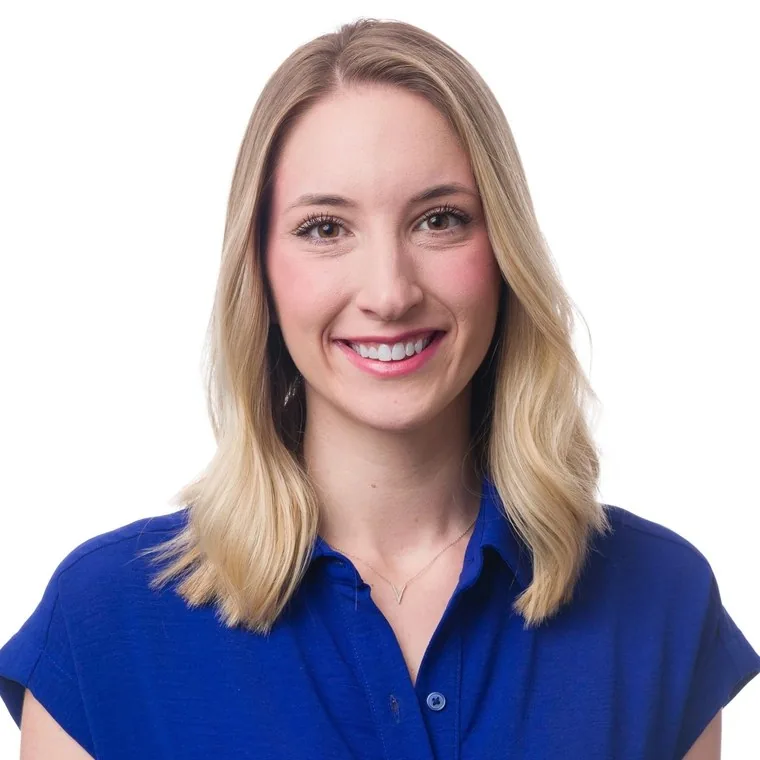
Allie Appenzeller, PsyD
Clinical Assistant Professor in Baylor College of Medicine's OCD Program and founding director of its ARPA School Anxiety & School Refusal Program, where she earned an award for outstanding contribution to intern training. She has trained and supervised dozens of clinicians in ERP and SPACE for OCD, anxiety, and perinatal mental health.
Full Bio
Renée D. Rienecke, PhD, FAED
Faculty at the Training Institute for Child and Adolescent Eating Disorders, where she trains and consults with clinicians pursuing FBT certification internationally. Fellow of the Academy for Eating Disorders, Director of Research at Eating Recovery Center/Pathlight, and Adjunct Professor at Northwestern University's Feinberg School of Medicine. A study therapist and supervisor on the NIMH trials that established FBT, with more than 115 peer-reviewed publications. Trains and consults on FBT and CBT-E across the full range of eating disorders.
Full Bio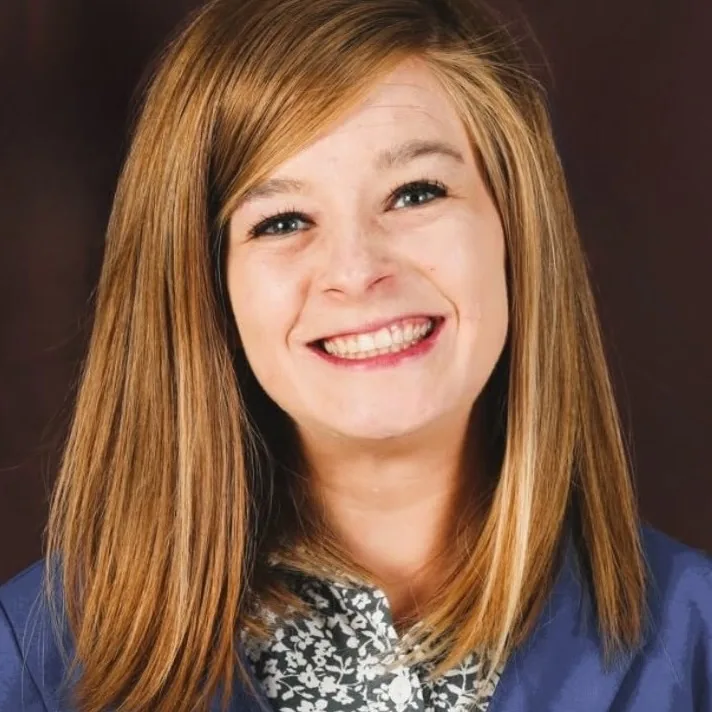
Kimberly Osborn, PhD
Clinician-scientist and postdoctoral fellow in the Eating and Anxiety Treatment (EAT) Lab at the University of Louisville, trained at the Duke Center for Eating Disorders and the Laureate Eating Disorders Program. Her published work spans atypical anorexia, transdiagnostic assessment, and the link between traumatic stress and eating disorders. She trains and consults on evidence-based assessment and treatment of eating disorders, OCD, and anxiety, including ARFID care and the co-occurring presentations where these conditions entangle.
Full Bio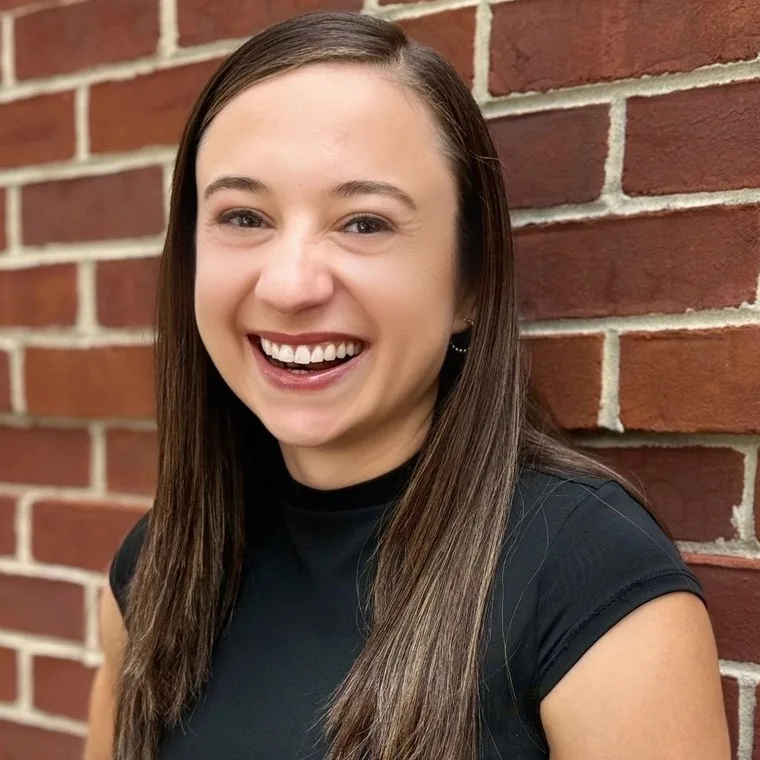
Eliza Lanzillo, PhD
An eating disorder, OCD, and anxiety expert trained at Baylor College of Medicine's OCD Program, with particular depth in complex co-occurring cases. She contributes to training on clinical assessment, treatment formulation, and applying ERP alongside FBT and CBT-E where eating disorders and OCD converge.
Full Bio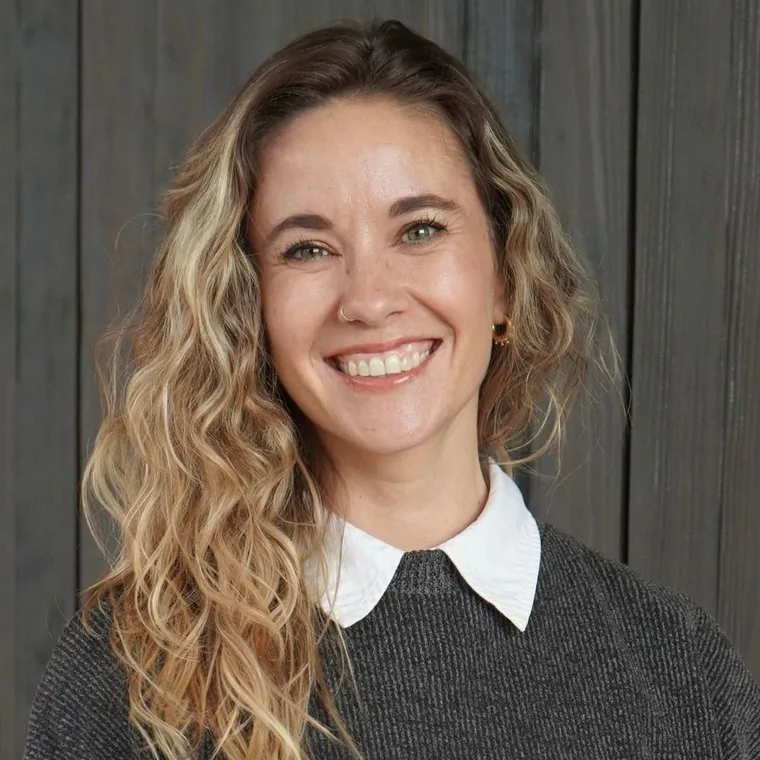
Kaitlin Hill, PhD
Deeply experienced in intensive and residential OCD and eating disorder care, drawn from her work at Rogers Behavioral Health's Eating Disorders Centers and the OCD Institute of Texas. She contributes to training and consultation on ERP delivery and higher-acuity presentations.
Full Bio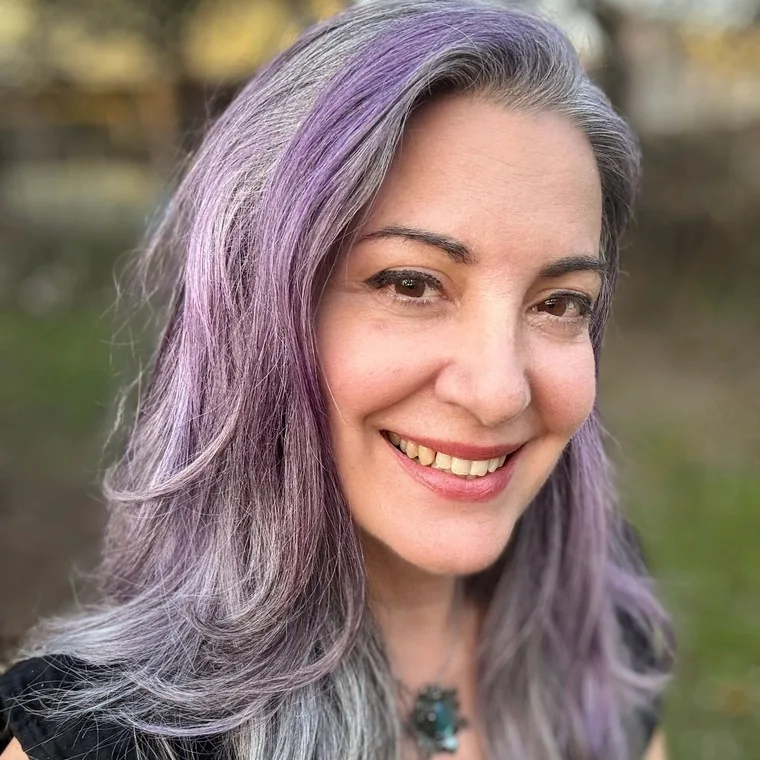
Nina Jolly
An FBT-trained caregiver peer mentor who has walked the path these families face. She brings the parent perspective to training on supporting caregivers through Family-Based Treatment and reducing accommodation, the lived-experience dimension clinical training alone can't provide.
Read Nina's full bio
Four Ways to Work With Us Professionally.
Case Consultation
Stuck on a complex case? We offer individual and group case consultation for clinicians working with OCD, anxiety, eating disorders, personality-related presentations, and complex comorbidity. Consultation is practical, clinically precise, and grounded in what the evidence and real-world experience support, not generic advice.
- Individual case consultation: one clinician, one complex case, a clear path forward
- Group consultation for clinical teams, group practices, or peer consultation circles
- Specialty consultation for cases involving co-occurring OCD and eating disorders, one of the most consistently missed presentations in the field
- One-time consultation or ongoing arrangement, structured around your actual need
- Available via telehealth for clinicians anywhere in the country
Supervision & Mentorship
We provide clinical supervision and mentorship for graduate students, predoctoral interns, postdoctoral fellows, and early-career therapists seeking to build genuine expertise in evidence-based treatment. Not generic supervision, but specialty supervision in the specific approaches we practice: ERP, FBT, CBT-E, SPACE, and Schema Therapy.
- Predoctoral and postdoctoral supervision with expertise in OCD/anxiety and eating disorders
- Mentorship for early-career clinicians building a specialty caseload
- Supervision toward licensure for provisionally licensed clinicians, in the states where our clinicians hold licensure
- Treatment-specific supervision: ERP fidelity, FBT adherence, SPACE implementation
- Emphasis on clinical formulation and the difference between doing a treatment and doing it well
Didactic Training & Workshops
Interactive, practical workshops for clinical teams, group practices, training programs, and professional organizations. Grounded in the research, delivered with clinical precision, and designed to be immediately applicable to the cases on attendees' caseloads today. See the full workshop menu below.
- Half-day, full-day, and multi-day workshop formats available
- In-person delivery in our five cities and select travel dates nationally
- Virtual delivery for teams and organizations anywhere in the country
- CE credit availability: inquire about current approvals
- Custom workshops built around your team's specific clinical population and gaps
Program Development Consultation
Building an eating disorder or OCD/anxiety outpatient program? Developing an IOP or PHP track? We offer program development consultation for clinical directors and treatment teams who want to build evidence-based programs with the infrastructure to deliver what the evidence-based approaches require, not just describe them.
- Outpatient program development for eating disorders, OCD/anxiety, or co-occurring presentations
- IOP and PHP program design: structuring levels of care that reflect the evidence
- Staff training and implementation support
- Quality assurance and fidelity monitoring frameworks
- Consultation on the FBT-Anchored Modular (FAM) Model for adolescent eating disorders with co-occurring anxiety
Our Workshop and Training Menu.
Every workshop is interactive, clinically grounded, and built around what attendees can put to use with the cases in front of them. Topics can be delivered as standalone workshops or combined into multi-topic training days. Custom topics are available. Contact us to discuss your team's specific needs.
Exposure & Response Prevention (ERP): The Gold Standard for OCD
From assessment and formulation through hierarchy construction, in-session exposure delivery, and response prevention coaching. Emphasis on fidelity: what distinguishes real ERP from "exposure-informed" therapy.
SPACE Therapy: Working Through Parents to Treat Childhood Anxiety
SPACE (Supportive Parenting for Anxious Childhood Emotions) is the only evidence-based treatment for childhood anxiety that works entirely through parents. Clinical implementation, accommodation mapping, coaching parents through the two-part response, and managing treatment when the child is unwilling to participate.
Family-Based Treatment (FBT): Adherent Delivery for Adolescent EDs
What FBT actually requires, and what most practices get wrong. Phase structure, parent coaching, managing the eating disorder's resistance, and the clinical nuance that separates adherent FBT from a loose approximation of it.
CBT-E and CBT-AR: Evidence-Based Treatment for Adult Eating Disorders
The formulation-driven structure of CBT-E, the three ARFID maintaining mechanisms and how CBT-AR targets each, and how to select between approaches based on clinical presentation rather than preference.
When OCD and Eating Disorders Co-Occur: The Field's Most Consistently Missed Presentation
The clinical markers that distinguish OCD-driven restriction from eating disorder psychopathology, the assessment framework for identifying co-occurrence, and how to design integrated treatment that addresses both simultaneously.
Schema Therapy: When Standard CBT Isn't Reaching the Pattern
Schema identification and formulation, the five core emotional needs framework, working with schema modes in session, and integrating schema work with CBT-based interventions for complex presentations.
RO-DBT for Disorders of Overcontrol
The overcontrol model, identifying the overcontrolled clinical profile, the social signaling framework of Radically Open DBT, and clinical application for anorexia nervosa, OCPD, and treatment-resistant anxiety and depression.
The FAM Model: FBT-Anchored Modular Treatment for Adolescents with ED + Anxiety
How FBT anchors the treatment, the willingness-based decision points for running CBT-E, ERP, or DBT/RO-DBT modules concurrently, how to weave ERP-informed uncertainty work into refeeding when OCD is present, when PMT or trauma-focused work (PE/CPT) belongs in the stack, and how to address both disorders without sacrificing fidelity to either, including the rule that when treatments compete for adherence, FBT wins.
CBASP: The Only Treatment Designed for Persistent Depressive Disorder
The chronic depression clinical profile, what makes the Cognitive Behavioral Analysis System of Psychotherapy distinct from standard CBT for depression, situational analysis in practice, and how to use disciplined personal involvement therapeutically.
Our Clinicians Teach This Work Nationally.
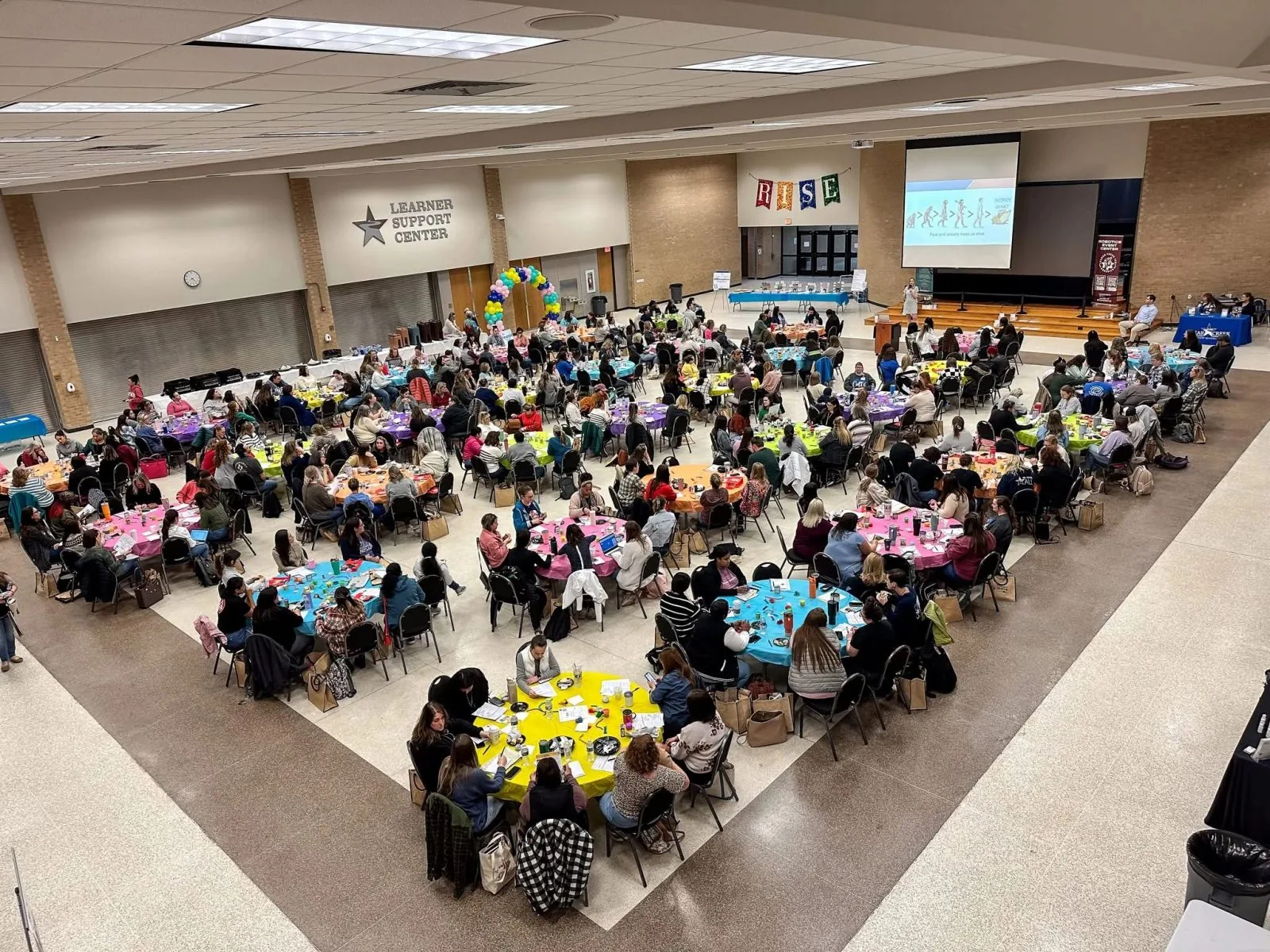
The training we offer isn't theoretical. Members of our team are invited to teach these methods to clinicians across the country, including national webinars for the field's leading treatment programs. One example:
What to Know About Exposure Therapy and Medications for Treating Eating Disorders: A Practical Primer
Watch the webinar on Rogers Behavioral HealthThe FAM Model: An Original Framework for a Gap in the Field.
One of the most clinically significant (and most consistently undertreated) presentations in eating disorder work is the adolescent with co-occurring anorexia nervosa and OCD or anxiety. FBT and ERP are each the gold-standard treatments for their respective conditions. But delivering both simultaneously, with fidelity to each and in a format families can engage with, requires a framework the field had not previously provided.
The FBT-Anchored Modular (FAM) Model
The FAM Model is a treatment approach developed by Dr. Zach Appenzeller for adolescent eating disorders complicated by anxiety or OCD. It is typically delivered intensively, purely for the sake of time, and available at outpatient dose as well. FBT is the non-negotiable anchor: parents are empowered to renourish, and nothing in the model displaces that work. The modules run alongside FBT, not after it. For as long as the adolescent has willingness to engage, CBT-E can run concurrently; when OCD is part of the picture, ERP principles are woven in from the start, helping the teen sit with uncertainty at precisely the moments refeeding provokes it; and when severe dysregulation threatens the work, DBT or RO-DBT skills are added, not as a detour from FBT, but as what makes the FBT work sustainable; and when oppositional or explosive behavior disrupts the family's ability to run treatment, PMT is added to restore it; and when trauma is part of the picture, PE or CPT joins the stack.
One rule governs every combination: when treatments compete for a family's adherence, FBT anchors all, and always wins. The model is designed to be delivered with fidelity to each evidence base, not as a hybrid that dilutes them.
Training on the FAM Model is available as a standalone workshop or as part of a longer program development consultation. Contact us to discuss.
Who We Train, Supervise, and Consult With.
Licensed Therapists
Case consultation and workshop training for licensed psychologists, LCSWs, LMFTs, and mental health counselors
Graduate Students
Predoctoral supervision and mentorship for psychology doctoral students building specialty expertise
Postdoctoral Fellows
Postdoctoral supervision toward licensure with specialty focus in evidence-based approaches
IOP / PHP Programs
Program development consultation for teams building structured eating disorder or OCD/anxiety levels of care
Medical Providers
Education and consultation for pediatricians, OB-GYNs, and primary care physicians on recognizing and referring eating disorders, OCD, and perinatal mental health conditions
Professional Organizations
Workshop presentations and continuing education for professional associations, training programs, and regional mental health organizations
Frequently Asked Questions: Professional Training & Consultation
We are actively pursuing CE approval for our workshop offerings. Please contact us directly about current CE credit availability for specific workshop topics, as this varies by training format and approval status. We are happy to discuss what documentation we can provide to support your CE submission process.
Yes, and this is some of our most valued work. We regularly design custom training days built around a specific team's clinical population, current practice gaps, and existing level of training. If you have a team treating eating disorders that needs to build OCD assessment skills, or an anxiety program that wants to build eating disorder competency, we can design something that meets your team exactly where it is.
Both. Some clinicians contact us for a single case consultation on a particularly complex presentation. Others engage in ongoing monthly consultation arrangements, particularly useful for early-career clinicians building specialty caseloads or teams navigating a new clinical population. We discuss the structure that makes the most clinical and logistical sense during your initial inquiry call.
Yes, in the states where our clinicians hold licensure. We provide clinical supervision for provisionally licensed clinicians working toward full licensure, along with supervision and mentorship for predoctoral interns and postdoctoral fellows; specific requirements vary by state board and training program. Contact us with your state and your supervisory needs, and we'll clarify exactly what we can provide and whether it meets your requirements.
Yes. Consultation and virtual training are available nationwide, and supervision wherever our clinicians hold licensure (see above). Workshop delivery is available virtually for any team or organization, and in-person for organizations in our five in-person cities as well as select national travel dates. Contact us to discuss your location and we will find the format that works.
Training That Raises the Standard of Care, Starting With Yours.
Whether you're a clinician navigating a complex case, a program building evidence-based infrastructure, or a training director looking for high-quality didactic content, we'd love to talk about how we can help.
Submit a professional inquiry and we'll be in touch within one business day.
Submit a Professional Inquiry