
TheEvidence-Based Treatment Institute
The right therapy, delivered right.
When Every Other Approach Has Failed, There Is Still a Way Forward.
From weekly sessions to in-home and virtual intensives, we deliver specialized treatment for children, adolescents, and adults.
What We Treat
We specialize in eating disorders, OCD, anxiety, and related conditions across children, adolescents, and adults. Our clinicians have trained at, practiced in, and built and led programs at some of the nation's most renowned academic medical centers and specialty treatment programs, across every level of care, from outpatient to intensive outpatient (IOP), partial hospitalization (PHP), residential, and inpatient. That depth is why we can treat both routine presentations and the most complex, "treatment-resistant" cases. Every treatment we provide is grounded in cognitive behavioral therapy and other specialized, evidence-based treatments.
We're the Right Practice for a Specific Kind of Patient.
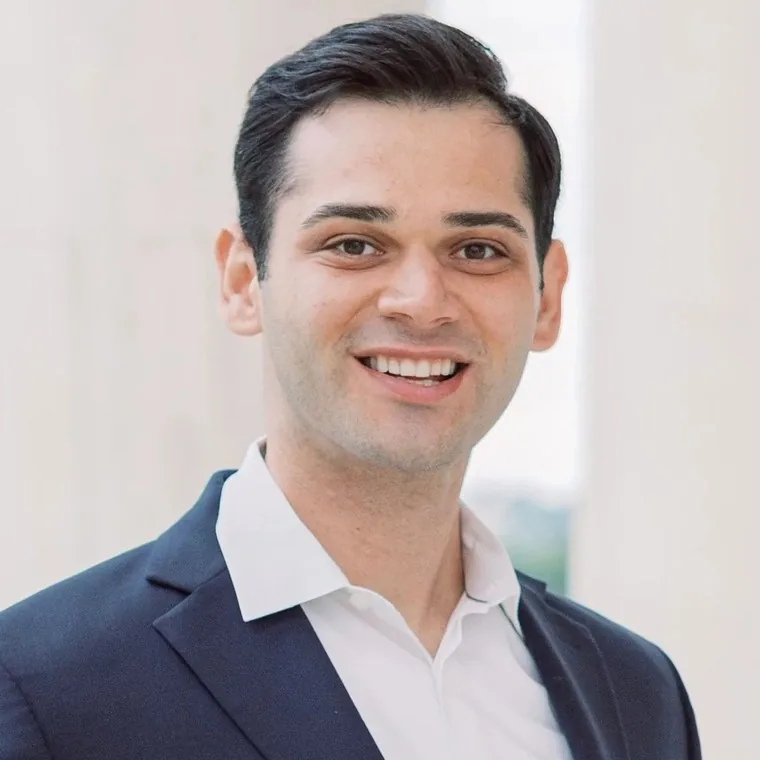
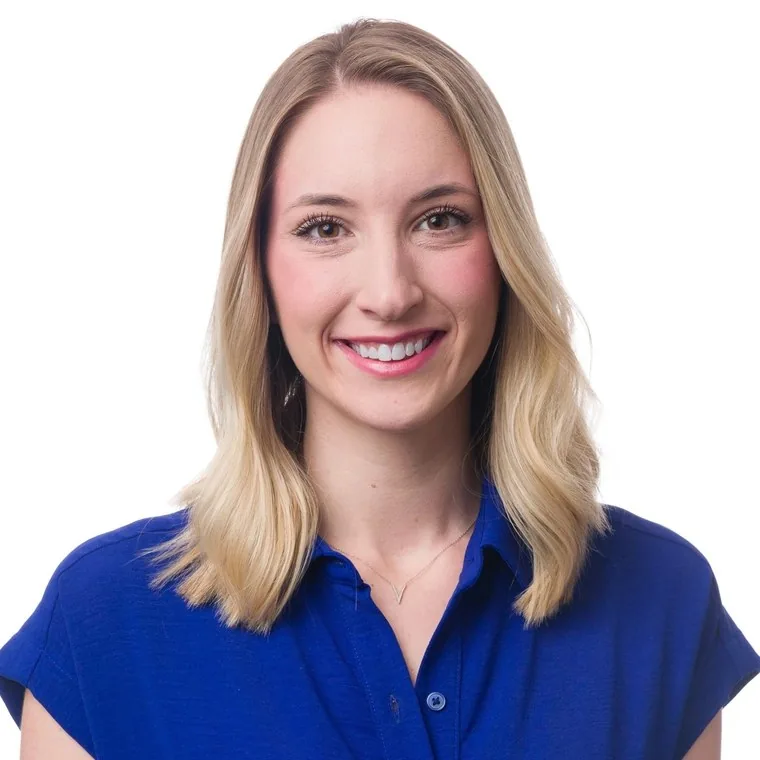
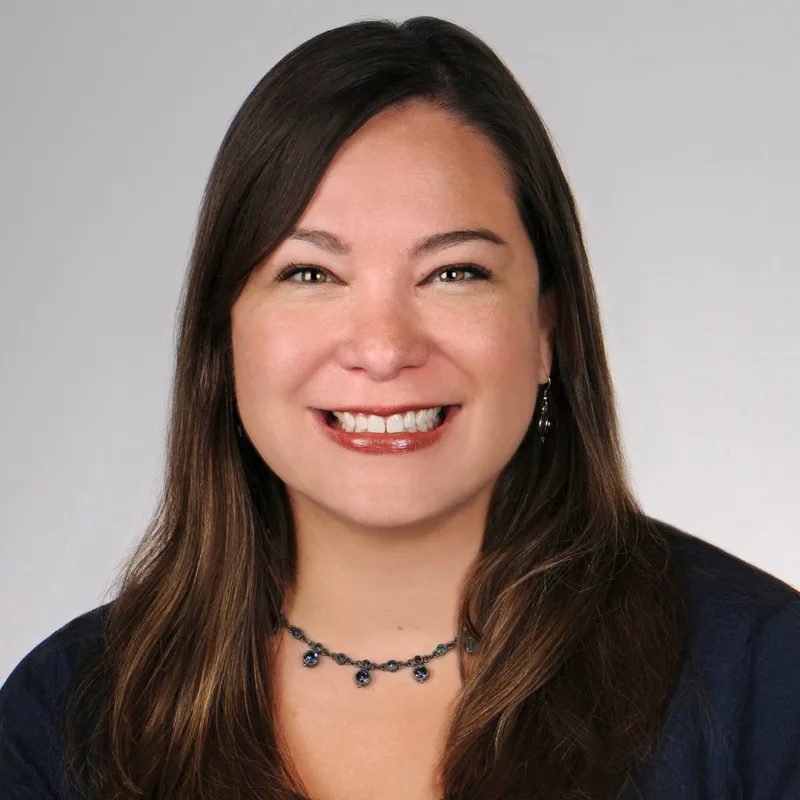
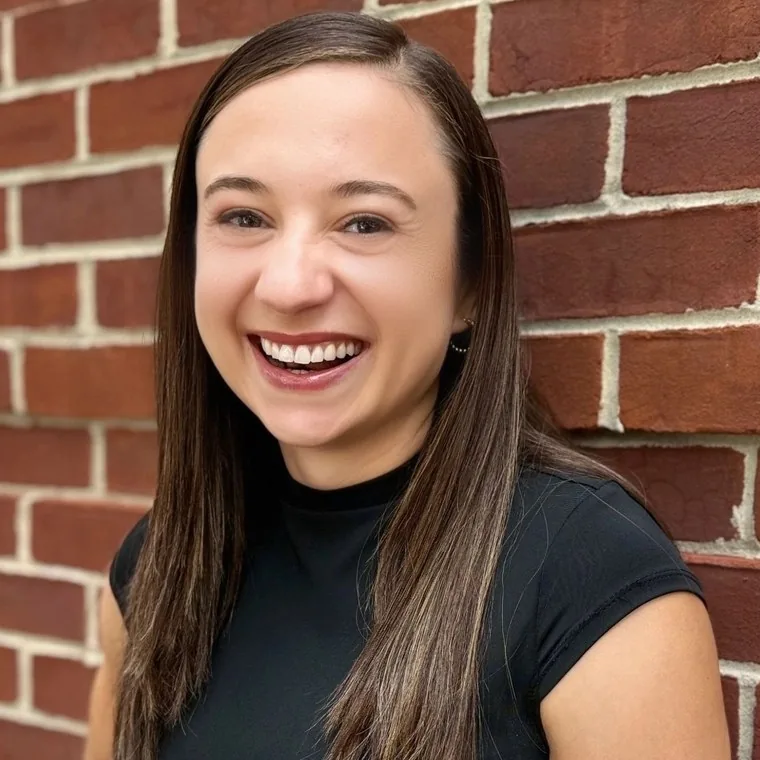
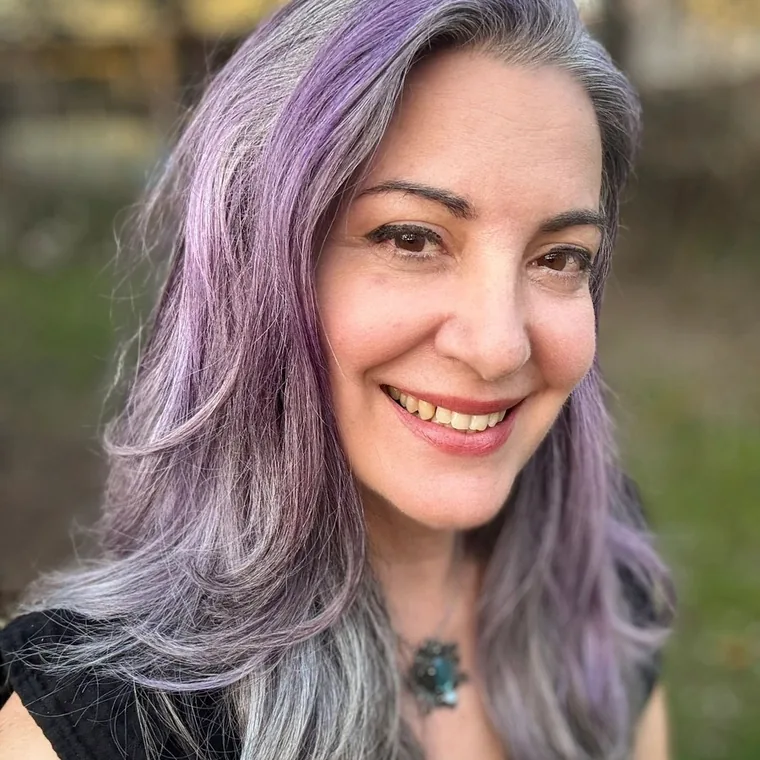
The Evidence-Based Treatment Institute was founded by two licensed psychologists who are also partners in life: Drs. Zach Appenzeller and Allie Appenzeller. Every clinician at this practice was selected because they meet the same standard: rigorous training in evidence-based treatment, real experience across levels of care, and genuine commitment to the patients in front of them.
We're not the right fit for everyone, and that's by design. The Evidence-Based Treatment Institute is a specialty practice, which means we work with a carefully selected caseload of individuals and families who are ready for something more than what they've received elsewhere.
And it hasn't worked, or hasn't worked well enough. They're not starting from zero; they're starting over with a practice that specializes at a level most don't.
Some of the people we work with are facing serious, life-disrupting conditions; others are navigating everyday stress, a rough patch, or a hard season of life. Both get the same depth of care.
An eating disorder and OCD or anxiety aren't always separate problems; sometimes they're one clinical picture, each feeding the other. Treating both at once, in the right order, is our deepest expertise.
We also have real depth in trauma and PTSD, disruptive behaviors, and women's and perinatal mental health. And beyond any single diagnosis, we treat the longstanding patterns that standard CBT hasn't reached, where people are too often labeled "treatment-resistant" and deserve more than that.
Our treatments are active, structured, and sometimes hard. The patients who do best are the ones who are motivated, even when they're terrified.
For families with a child, teen, or young adult who isn't yet motivated for treatment, parents can still be the agents of meaningful change. Approaches like Family-Based Treatment (FBT), Supportive Parenting for Anxious Childhood Emotions (SPACE), Parent Management Training (PMT), and Parent-Child Interaction Therapy (PCIT) are designed for exactly this: helping parents shift their own responses in ways that reduce their child's symptoms, even when the child isn't on board.
They're not looking for a therapist who does a bit of everything. They want the clinician who has seen a hundred cases like theirs and knows exactly what to do.
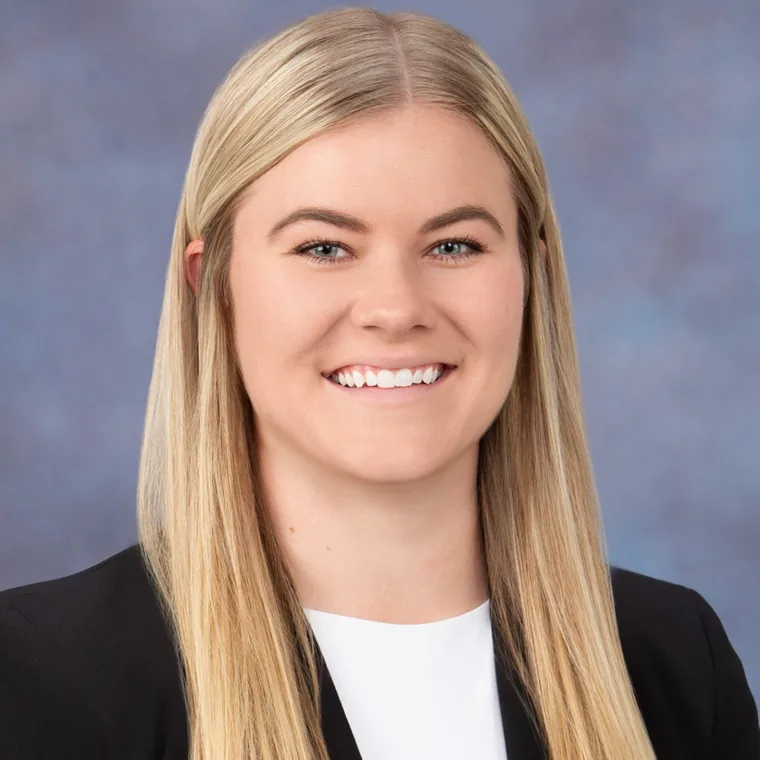
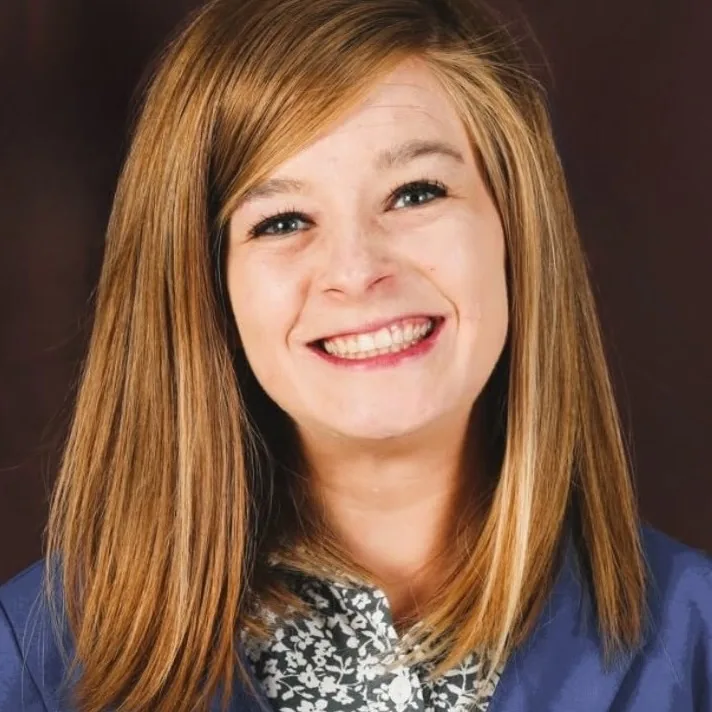
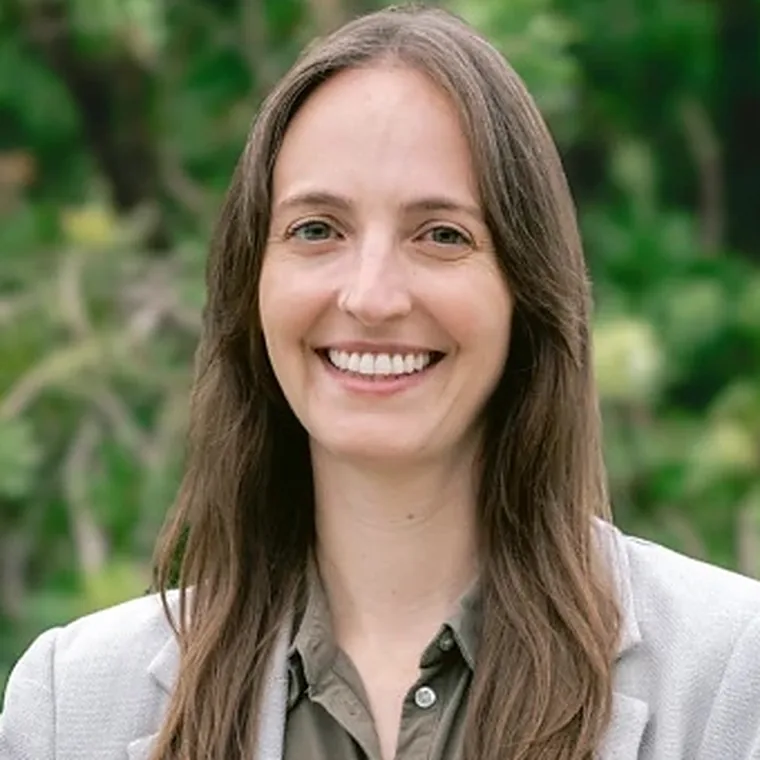
The People You'd Be Working With.
The treatments we deliver were developed and tested inside academic medical centers and specialty hospitals, and that is where we came from. Between us:
Founded & Directed
- University of Michigan Comprehensive Eating Disorders Program: founding developer & director; clinical assistant professor of psychiatry
- UTHealth Houston Center for Eating Disorders: outpatient, IOP, PHP & inpatient care; assistant professor at McGovern Medical School, with its Dean's Teaching Excellence Award
- Medical University of South Carolina Eating Disorders Program: founding developer & director; associate professor of pediatrics and psychiatry & behavioral sciences
- Fay J. Lindner Center for Autism and Developmental Disabilities
- School Anxiety & School Refusal Program, Baylor College of Medicine: assistant professor of psychiatry & behavioral sciences
Clinical Leadership
- Eating Recovery Center/Pathlight: Director of Research across every level of eating disorder care
- Training Institute for Child and Adolescent Eating Disorders: faculty, training clinicians worldwide toward FBT certification
- Baylor College of Medicine OCD & Related Disorders Program: clinical faculty, supervising doctoral interns & postdoctoral fellows on an NIH-funded pediatric anxiety and OCD study
- Northwestern University Feinberg School of Medicine: adjunct professor, Department of Psychiatry & Behavioral Sciences
- Rogers Behavioral Health: co-wrote the manualized protocols used across its eating disorder programs nationwide
- Rogers Behavioral Health: supervised the Adult Inpatient & Residential Eating Disorders Centers
- Rogers Behavioral Health: clinical oversight across its Adult & Young Adult OCD, Anxiety and Depression Residential Programs; supervises trainees in its APA-accredited doctoral internship
- Rogers Behavioral Health: Clinical Supervisor of the Child, Adolescent & Young Adult OCD and Anxiety Residential Programs; helped launch its first Young Adult Residential Program
- UPMC Western Behavioral Health, Center for Autism and Developmental Disorders: adult diagnostic services lead, doctoral trainee supervision & clinician training on autism
- Brookville Center for Children's Services: directed its community & home-based early intervention, preschool & school-age services
- Regulation of Emotions in Autistic Adults, Children, and Teens (REAACT) Program: psychology lead on a study of trauma and suicide risk in autistic adults; clinical eligibility determinations for a multi-site NIH Autism Center of Excellence study of adult mental health and suicide
- University of Houston–Clear Lake: adjunct professor, teaching doctoral- & master's-level courses on evidence-based treatment & psychotherapy skills
- Florida State University: visiting scholar, Department of Psychology; instructor of record, Clinical and Counseling Psychology
- University of Florida: lead instructor, School Mental Health Practice and Research
- Equip Health: treatment fidelity rating for evidence-based eating disorder care
Specialty Training & Clinical Experience
- University of Chicago Eating Disorders Program: internship, fellowship & faculty; study therapist & supervisor on the NIMH trials that established FBT
- Yale Child Study Center: internship & fellowship in its autism & neurodevelopmental clinics; internship in its Program for Anxiety Disorders & Child and Adolescent Trauma Program
- National Institute of Mental Health: intramural suicide-screening research, including the ASQ toolkit now used in hospitals nationwide
- Duke Center for Eating Disorders
- Eating and Anxiety Treatment (EAT) Lab, University of Louisville
- University of Hawai'i at Mānoa Eating Disorders Clinic
- Baylor College of Medicine OCD & Related Disorders Program: predoctoral internships & NIH-funded postdoctoral fellowships
- ACUTE Center for Eating Disorders & Severe Malnutrition, Denver Health: consulting psychologist
- Kennedy Krieger Institute, Baltimore: Department of Neuropsychology & Center for Autism and Related Disorders
- Research on Eating Disorders and Suicidality (REDS) Lab, Auburn University: postdoctoral fellowship & research faculty, including NIMH-funded research on eating disorders and suicide risk
- Body Image and Disordered Eating (BIDE) Lab, Oklahoma State University
- Yale New Haven Hospital: children's psychiatric inpatient unit & pediatric emergency psychiatry
- Autism Biomarkers Consortium for Clinical Trials, Yale University
- Children's National Hospital: Child Development Program, Childhood and Adolescent Diabetes Program & Center for Autism Spectrum Disorders
- MedStar Georgetown University Hospital
- Rogers Behavioral Health: Adult OCD & Anxiety Residential Center internships
- University of Florida Obsessive-Compulsive Disorder (UF OCD) Program: outpatient and intensive ERP for children and adults with OCD
- UF Center for OCD, Anxiety and Related Disorders (COARD)'s Fear Facers Camp: all-day exposure work with children
- University of Florida Outpatient Therapy Services: Parent-Child Interaction Therapy and Parent Management Training for disruptive behavior, ADHD and autism
- UF Health Shands Psychiatric Hospital
- UF Health Center for Autism and Neurodevelopment
- VA Ann Arbor Healthcare System: APA-accredited internship with a DBT concentration
- Dartmouth-Hitchcock Medical Center: Mood Disorders Service
- Rhode Island Hospital: Adult Partial Hospital Program
- Tripler Army Medical Center: behavioral medicine
- Laureate Eating Disorders Program
- Eastern Virginia Medical School Autism Spectrum Disorder Program: clinical research with autistic young adults and their families
- OCD Institute of Texas: residential, partial-hospitalization & outpatient OCD care
- Ascension Alexian Brothers: Center for Eating Disorders · Center for Anxiety & OCD
- The OCD and Anxiety Center, Oak Brook, Illinois: exposure-based treatment for children & adults with OCD and anxiety
- Child Center for Cognitive Behavior Therapy, University of Hawai'i at Mānoa: intensive in-home services for children & families
- Behavior Therapy Center of Greater Washington
- Capital Institute for Cognitive Therapy
- Anxiety and Obsessive-Compulsive Disorders Lab, Northern Illinois University
- Cognitive and Affective Neurosciences Lab, The Catholic University of America
- Florida State University Psychology Clinic
- Northern Illinois University Psychological Services Center
- St. Luke's Health System, Idaho
- Southern Illinois University Edwardsville Attention and Behavior Clinic

For Those Who Can't Wait, or Who've Waited Long Enough.
Weekly therapy is right for many patients. But for some (those in acute distress, those who have been stuck for months or years, those who need to build momentum quickly), a more intensive approach is what actually breaks the pattern.
We offer specialty intensives for eating disorders and OCD & anxiety, calibrated to your clinical picture, your family situation, and your geography.
In-Home & In-Vivo Intensives
One-on-one treatment delivered where recovery actually has to happen. In your home, and out in the real-world places an eating disorder, OCD, or anxiety takes hold (what clinicians call in-vivo work): the kitchen table, the grocery store, the mall, the highway. A genuine higher level of care, without sending anyone away to a facility. Available in South Florida, Houston, Denver, Chicago, Milwaukee, Twin Falls, and Pittsburgh.
Virtual 1:1 Intensives
High-frequency 1:1 therapy delivered by secure video: more frequent, longer sessions with your own clinician, with real-time coaching during meals or exposures in your own environment. Delivered to your home across 40+ states, built on years of leadership running intensive eating disorder and OCD programs at nationally recognized centers.
Private Pay, So Your Care Comes First.
Being a private-pay practice is a deliberate choice, and we don't take it lightly. The reimbursement rates insurers set for specialized care, and the hours of paperwork and back-and-forth they require, would mean larger caseloads, shorter sessions, and far less time for the work that actually helps. We chose private pay so that doesn't happen: our time and full attention go to you, and to helping you get your life back.
It also means your treatment is shaped entirely by what you need: the right approach, at the right frequency, for as long as the work calls for. When extended sessions or an intensive format would help you move faster, we can offer them.
While we don't bill insurance directly, many patients offset the cost through their out-of-network behavioral health benefits. We provide detailed superbills you can submit to your insurer for reimbursement, and we're glad to share a sample with the exact codes up front, so you know what your plan is likely to cover before you begin.
We know this is a significant investment in your health, and we treat it that way. Our job is to make every session count, so the care you're paying for is the care that moves you forward.
See Our Fees & Reimbursement DetailsIn Person in Eight Cities. Telehealth in 40+ States.
In-person sessions: from anxiety treatment in Boca Raton, our headquarters, to Houston, TX, Austin, TX, Denver, CO, Chicago, IL, Milwaukee, WI, Twin Falls, ID, and Pittsburgh, PA. In Austin, our psychologists see families by telehealth, and in-person care is caregiver mentorship with Nina Jolly. Telehealth available in 40+ PSYPACT states, plus New York and Hawaii through individual licensure.
Coverage summary: in person and virtually via telehealth in Boca Raton, Florida; Houston, Texas; Austin, Texas; Denver, Colorado; Chicago, Illinois; Milwaukee, Wisconsin; Twin Falls, Idaho; and Pittsburgh, Pennsylvania, and by telehealth in 40+ PSYPACT states, plus New York and Hawaii through individual state licensure. Not currently available in California, Iowa, Louisiana, Massachusetts, New Mexico, or Oregon. In-person care in Tallahassee, Florida begins January 2027.
Hover or tap any state to see coverage status. PSYPACT membership keeps expanding, most recently Alaska. Check psypact.gov for the most current map.
In-Person, Eight Cities
Boca Raton · Houston · Austin · Denver · Chicago · Milwaukee · Twin Falls · Pittsburgh
By appointment only
Telehealth in 40+ States
Available to patients in 40+ PSYPACT states via secure telehealth, plus additional state coverage in New York and Hawaii. Weekly appointments and virtual intensives.
Get Started via TelehealthIn-Home & In-Vivo Intensives
In-home and in-vivo intensives are available in South Florida, Houston, Denver, Chicago, Milwaukee, Twin Falls, and Pittsburgh. A virtual intensive option is available everywhere we're licensed.
Eating Disorder Intensives · OCD & Anxiety IntensivesFrom First Contact to First Session.
Reaching out is simple, and you won't navigate it alone. Here's how getting started works.
You Hear Back from a Clinician
Send a brief inquiry, and a licensed clinician, not a scheduler, personally gets back to you within one business day.
We Understand Your Situation
A short screening call that lets us match you to the right clinician, the right treatment, and the right level of care.
A Careful Look, Then a Plan
Two pathways to begin: a standard intake, or an extended launch session that moves straight from assessment into psychoeducation and treatment planning, so you leave day one understanding your condition, with between-session work and a clear path forward.
A Clinician Responds Within One Business Day.
Getting started is simple. Fill out our brief new patient inquiry form and we'll talk through fit, availability, and what treatment would look like for you.
When you're ready, we're ready.
Request a Consultation