
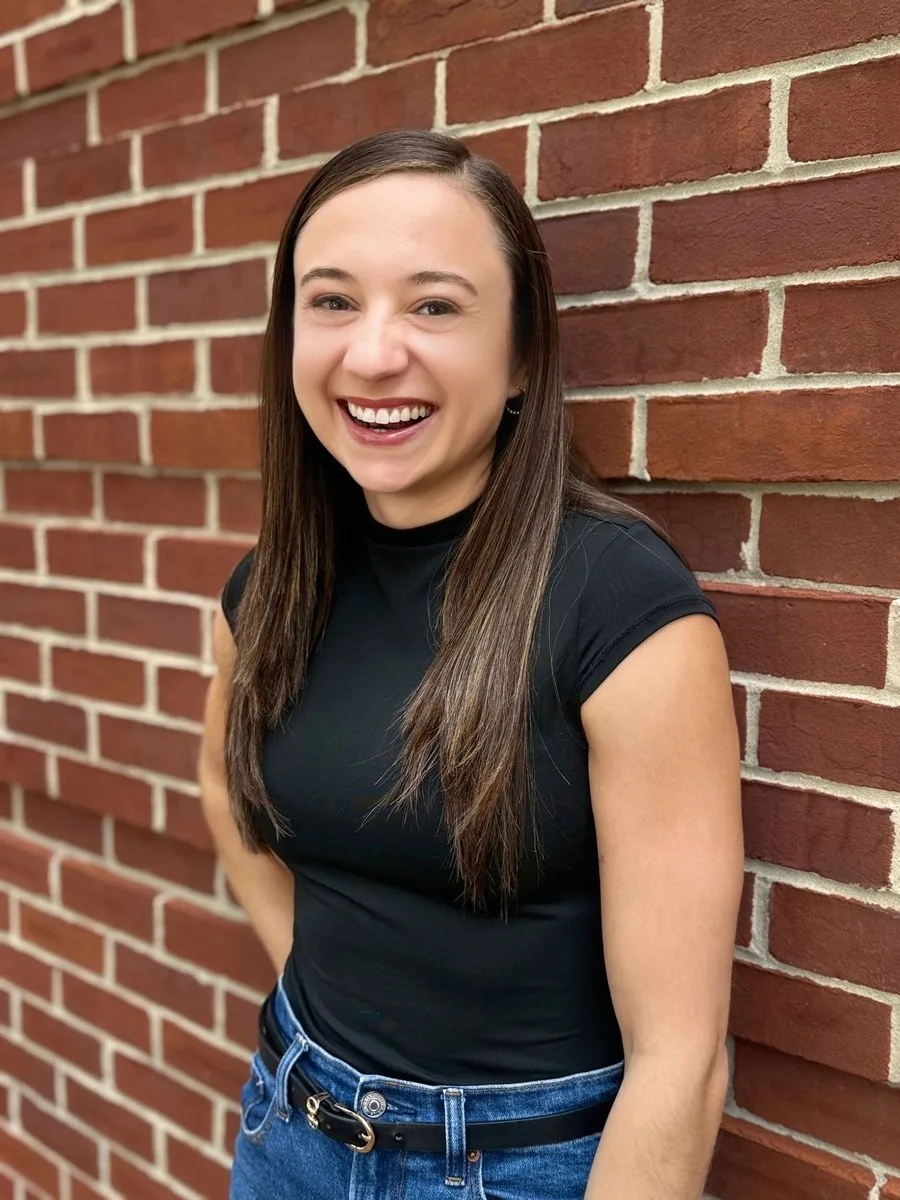
Eliza Lanzillo, PhD
PhD in Clinical Psychology, The Catholic University of America
Longer sessions & intakes prorated; virtual intensives at this same rate; in-home intensives billed separately. Our Fees
Eating Disorder, OCD & Anxiety Treatment in Denver
I am a Licensed Psychologist specializing in evidence-based treatment for eating disorders and body image concerns, OCD, and anxiety in adolescents and adults. I bring both clinical expertise and genuine compassion to this work, and I aim to give every person who sits across from me a welcoming, non-judgmental, and supportive space.
My primary treatment approaches are Enhanced Cognitive-Behavior Therapy (CBT-E), Family-Based Treatment (FBT), Exposure and Response Prevention (ERP), and Acceptance and Commitment Therapy (ACT): each structured, each active, and each carrying substantial research behind it, and each tailored to meet the person in front of me where they are. My eating disorder work is grounded in body-neutral, non-diet principles: my aim is to help clients cultivate a healthier relationship with food, their bodies, and themselves, and to live in alignment with their values. I see patients in person in Denver and via telehealth across 40+ PSYPACT states.
Because I treat both eating disorders and OCD at a specialist level, I bring particular depth to the comorbid presentations where the two co-occur: where food rules and compulsions reinforce each other, and treating one without the other tends to leave a person stuck. For OCD and anxiety, my core treatment is ERP; for eating disorders, CBT-E for adults and FBT for adolescents.
I completed my undergraduate degree in Psychology at Brown University before earning my PhD in Clinical Psychology from The Catholic University of America. My specialized training includes an APPIC-accredited predoctoral internship with the OCD Program at Baylor College of Medicine, where I honed my expertise in ERP and evidence-based treatments for OCD and related conditions and pursued further training in eating disorder treatment. I then completed my postdoctoral fellowship at Old Town Psychology, deepening that dual specialization in eating disorders and OCD and anxiety.
My commitment to evidence-based treatment extends beyond the therapy room. Earlier in my career, I conducted suicide-prevention research in the Intramural Research Program at the National Institute of Mental Health, contributing to the Ask Suicide-Screening Questions (ASQ) toolkit now widely used across medical settings. I have contributed to numerous published research studies and presented my work at national conferences, and that research background, particularly in suicide prevention and treatment intervention, directly informs my clinical practice, so the care my patients receive stays grounded in the evidence.
Where I Trained.
Education
PhD in Clinical Psychology
The Catholic University of America
BA in Psychology
Brown University
Postdoctoral Fellowship
Old Town Psychology
Postdoctoral fellowship with continued specialization in eating disorder and OCD/anxiety treatment
Predoctoral Internship
OCD Program, Baylor College of Medicine
Menninger Department of Psychiatry and Behavioral Sciences. Specialized training in ERP and evidence-based treatments for OCD and related conditions, with additional training in eating disorder treatment.
Research Training
National Institute of Mental Health (NIMH), Office of the Clinical Director
Conducted suicide-prevention research in the Intramural Research Program at NIMH (Bethesda, MD), contributing to the development and validation of the Ask Suicide-Screening Questions (ASQ) toolkit, now one of the most widely used evidence-based suicide-risk screening instruments in pediatric and adult medical settings. Published author on peer-reviewed studies of youth suicide-risk screening.
Doctoral Externships
Old Town Psychology
Where I later returned for my postdoctoral fellowship
Capital Institute for Cognitive Therapy
Specialized training in cognitive behavioral therapy
Neuropsychology Associates of Fairfax
Catholic University Counseling Center
Selected Publications
Peer-reviewed research in suicide-risk screening and prevention, including the NIMH-developed Ask Suicide-Screening Questions (ASQ), and in pediatric OCD. This work directly informs how I assess and treat the patients I see, particularly where safety concerns and mood difficulties accompany an eating disorder or OCD.
Potential for Harm in the Treatment of Pediatric Obsessive-Compulsive Disorder: Pitfalls and Best Practices
The Influence of Cyberbullying on Nonsuicidal Self-Injury and Suicidal Thoughts and Behavior in Adolescents
Implementing Suicide Risk Screening in a Pediatric Primary Care Setting: From Research to Practice
Validation of the Ask Suicide-Screening Questions (ASQ) With Youth in Outpatient Specialty and Primary Care
The Importance of Screening Preteens for Suicide Risk in the Emergency Department
Frequently Asked Questions
Both. I work with adolescents and adults across the eating disorder and OCD/anxiety spectrum. For adolescent eating disorders, I work within the FBT framework (which positions parents as the primary agents of weight restoration) under the supervision of, and in collaboration with, Dr. Zach Appenzeller, whose depth of expertise in FBT and complex eating disorder presentations is exceptional. For adults, I deliver CBT-E, ERP, and CBT-AR as primary treatment approaches.
Possibly, and the answer depends on understanding what was actually delivered. The most common reasons CBT for OCD fails to produce lasting results are that ERP wasn't implemented with sufficient fidelity, the exposure hierarchy didn't reach the patient's actual feared stimuli, or mental compulsions were not targeted alongside behavioral ones. My internship in the BCM OCD Program trained me in ERP delivery at a level of specificity and precision that is uncommon in general clinical practice. Prior OCD treatment failure is not a verdict on whether treatment can work; it is information I take seriously in understanding what needs to be different.
It means that my clinical approach to eating and body image does not promote any particular body size as a treatment goal, does not engage with diet culture framing, and does not conflate health with weight. In eating disorder treatment specifically, this means working toward a genuinely healthy relationship with food and eating (one that is not organized around restriction, compensatory behaviors, or food rules) without importing cultural weight stigma into the therapeutic frame. This orientation is grounded in the evidence on eating disorder maintenance and recovery, not personal philosophy.
The Evidence-Based Treatment Institute is a private-pay practice. We provide superbills for out-of-network reimbursement submission, and many patients with PPO plans recover a meaningful portion of their fees. HSA and FSA cards are accepted. Full details are on our Fees & Insurance page.
Yes. A clinician, not a scheduler, responds to every inquiry within one business day. Submit a new patient inquiry through our Get Started page and we'll be in touch within one business day.
Let's Find Out If We're the Right Fit.
Whether you're navigating an eating disorder, OCD, anxiety, or a complex combination of the three, submit a new patient inquiry and we'll be in touch within one business day to discuss fit, approach, and next steps.
A clinician, not a scheduler, responds to every inquiry within one business day.
Request a Consultation