
Recovery Is Possible.
And It Starts With the Right Treatment.
Specialized, evidence-based eating disorder care for children, adolescents, and adults, from a team that has built academic eating disorder programs, shaped treatment standards across national hospital systems, and trains clinicians across the country in evidence-based treatment. In person in Boca Raton, Houston, Chicago, and Denver, with in-person caregiver mentorship in Austin, and by telehealth, including virtual intensives, in 40+ states.
You Don't Need to Wait Until It's "Bad Enough."
Eating disorders rarely announce themselves. They hide in "healthy eating," in control, in routines that quietly take over. If several of these resonate for you, your child, or your partner, it's worth a conversation now, not later. What you're describing is treatable.
You do not need to wait for a crisis to reach out. The earlier treatment starts, the shorter it tends to be.
Request a ConsultationEating Disorders Are Treatable, and Full Recovery Is a Realistic Goal.
Families are often told that eating disorders are chronic, relapsing, and only barely manageable. For many people, with the right evidence-based treatment delivered early and well, that simply isn't true. Family-Based Treatment for adolescent anorexia is one of the most studied and most effective interventions in the field. And recovery, not just stabilization, is the goal.
Figures reflect findings from the published clinical research literature on FBT and CBT-E for eating disorders (meta-analyses and randomized controlled trials), not internal outcome data from the Evidence-Based Treatment Institute. Individual results vary, and outcomes are strongest with early intervention. We share these to convey what well-delivered, evidence-based treatment makes possible, not to promise a specific outcome.
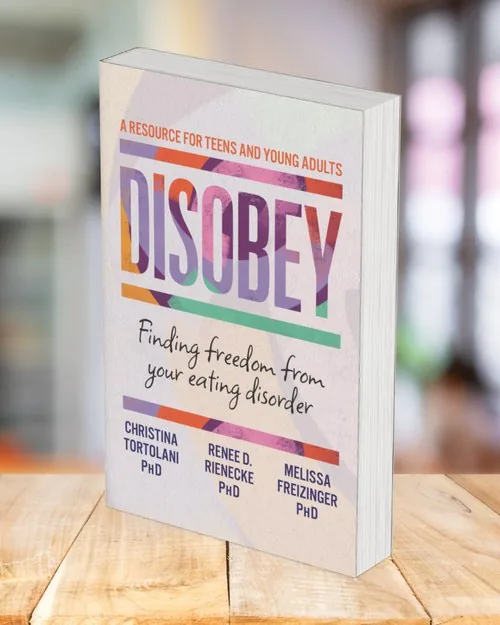
- Lock J, Le Grange D, et al. (2010). Randomized clinical trial comparing family-based treatment with adolescent-focused individual therapy for adolescents with anorexia nervosa. Archives of General Psychiatry. View study
- Fairburn CG (2008). Cognitive Behavior Therapy and Eating Disorders. Guilford Press.
- Lock J, Le Grange D (2025). Treatment Manual for Anorexia Nervosa: A Family-Based Approach, 3rd ed. Guilford Press.
- Keys A, et al. (1950). The Biology of Human Starvation. University of Minnesota Press.
What Makes the Evidence-Based Treatment Institute Different for Eating Disorders
First, fidelity. FBT, CBT-E, and exposure therapy delivered the way the research specifies, not a looser version that borrows the name. These treatments are hard to deliver well, which is part of why so few do. Doing them faithfully is the point of this one.
Second, a family that's activated, not sidelined. In the leading treatment for teens, parents are the heart of recovery, not a complication. If you were ever told to step back while your child was steered into individual therapy, and something in you resisted, your instinct was right. No one loves your child more than you do, and here you'll be treated like it.
Third, enough intensity for the moment you're in: the full evidence-based range under one roof, plus virtual and in-home intensives when weekly sessions aren't holding, so you're never handed off to strangers. All of it from clinicians who founded and directed academic eating-disorder programs and wrote treatment protocols used by hospital systems across the country: academic medical center–level expertise, in the warmth of a boutique private practice.
Every Major Eating Disorder, at Every Level of Severity.
Anorexia Nervosa
Restriction, fear of weight gain, and a distorted body image, in children, teens, and adults. Treated primarily with Family-Based Treatment (FBT) for adolescents and CBT-E for adults, with RO-DBT for the restrictive (overcontrolled) subtype and MED-DBT for the binge–purge subtype in complex presentations.
Atypical Anorexia
All the features of anorexia (restriction, intense fear of weight gain, the overvaluation of shape and weight) at any body weight. The starvation effects and medical risks are just as real, and "you don't look sick" is exactly how this illness goes untreated. We treat it with the same urgency: FBT for adolescents, CBT-E for adults, renourishment where the biology demands it.
Bulimia Nervosa
Cycles of binge eating and compensatory behavior, often hidden for years. Treated with FBT for adolescents and Enhanced CBT (CBT-E) for adults, with MED-DBT for complex, treatment-resistant presentations.
Binge Eating Disorder
Recurrent binge episodes with distress and loss of control, without compensatory behavior. CBT-E directly targets the cycle that maintains it, with MED-DBT for complex presentations.
Avoidant/Restrictive Food Intake Disorder (ARFID)
Restriction driven by sensory sensitivity, fear of choking or vomiting, or low interest in food, not body image. Treated with CBT-AR, the approach built specifically for it; FBT-ARFID for children and teens; and FBI, a playful Duke-developed treatment, for young children.
Other Specified Feeding or Eating Disorder (OSFED) & Mixed Presentations
Serious eating disorders that don't fit a single textbook category. Treated with the same rigor and the approach matched to your presentation.
Body Image Dissatisfaction
Distress about shape and weight that governs mood, choices, and self-worth (body checking, mirror avoidance, "feeling fat" as a daily verdict), with or without a full eating disorder. We target it directly with the body image work of CBT-E, and it is often the earliest, best moment to intervene.
Co-Occurring & Complex
Eating disorders entangled with OCD, anxiety, trauma, or emotion dysregulation. Our particular depth: treated as one integrated picture, not separate problems. Learn more
Whatever you're facing (anorexia, bulimia, binge eating, ARFID, or something that doesn't fit a neat label), full recovery is possible. And a clinician will answer your inquiry within one business day.
Request a ConsultationWe Treat Eating Disorders Across the Lifespan.
Eating disorders do not have an age limit, and neither does effective treatment. We work with the full range of presentations: from the eight-year-old whose ARFID is limiting their social world, to the forty-year-old whose anorexia has been present, and undertreated, for twenty years.
Children (Ages 6–12)
ARFID, early-onset anorexia, and OCD-driven food restriction. Parent involvement is central. We work closely with families to build the structure young patients need.
Adolescents (Ages 12–18)
Anorexia, bulimia, ARFID, and BED. FBT is the primary approach. Co-occurring OCD and anxiety are treated simultaneously with the appropriate evidence-based approaches.
Adults (Ages 18+)
Anorexia, bulimia, BED, and ARFID. CBT-E, CBT-AR, RO-DBT, and MED-DBT. Including longstanding and treatment-resistant cases. We don't accept the framing that chronic means untreatable.
Complex & Treatment-Resistant Cases
We specialize in cases where standard treatment has not worked, including co-occurring OCD, anxiety, trauma, and personality features that complicate recovery.
Post-Higher-Level-of-Care
The transition out of residential or PHP is the highest-risk period in eating disorder recovery. We provide structured step-down support designed to consolidate gains and prevent relapse.
Telehealth Patients (40+ States)
The same specialist team, by secure video: outpatient care and virtual intensives for families beyond our in-person cities, through PSYPACT.
A Specialized Eating Disorder Team, With Real Depth Behind Every Case.
Between us: the founding director of a university eating disorder center; a Fellow of the Academy for Eating Disorders with more than 115 peer-reviewed publications, who served as a study therapist and supervisor on the NIMH trials that established Family-Based Treatment; a specialist who trained under one of the field's leading CBT-for-eating-disorders authorities and went on to shape eating disorder care across an entire hospital system, from inpatient to outpatient; and a caregiver mentor who has lived the family side of recovery.

Zach Appenzeller, PsyD
Founding Director of the UTHealth Houston Center for Eating Disorders (a comprehensive program spanning outpatient, IOP, PHP, and inpatient care) and developer of the FBT-Anchored Modular (FAM) Model. Clinical Assistant Professor in Baylor College of Medicine’s OCD & Related Disorders Program. Specializes in eating disorders across the lifespan, especially the co-occurrence of eating disorders and OCD, and the complex, treatment-resistant presentations that demand the most from a treatment team.
Read Dr. Appenzeller's full bio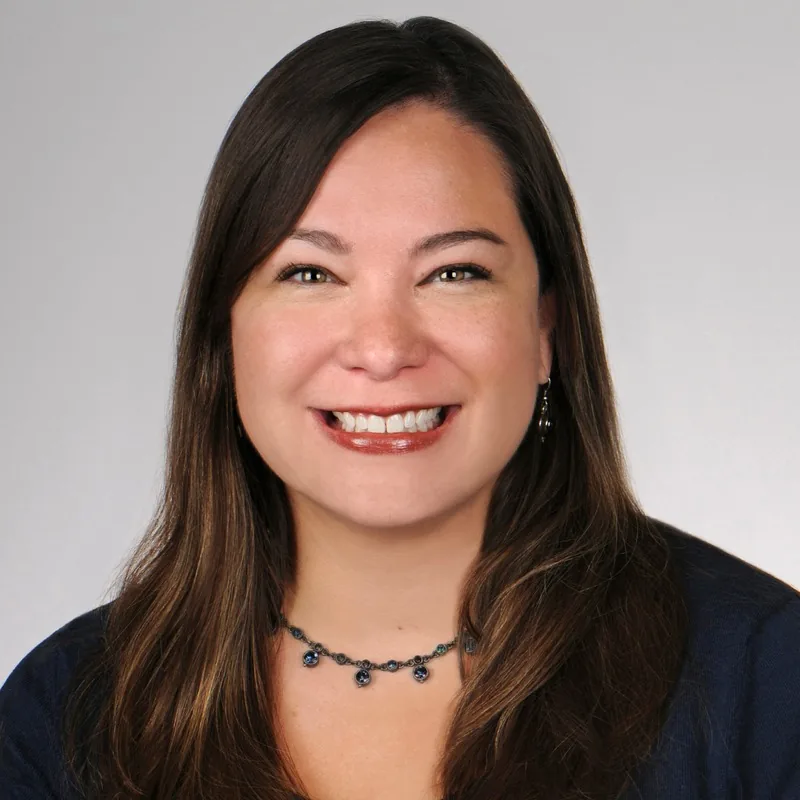
Renée D. Rienecke, PhD, FAED
Fellow of the Academy for Eating Disorders and Director of Research at Eating Recovery Center/Pathlight Mood & Anxiety Centers. A study therapist and supervisor on the NIMH-funded trials that established FBT as the standard of care for adolescent anorexia and bulimia, and founding developer of the University of Michigan and Medical University of South Carolina eating disorder programs. More than 115 peer-reviewed publications on FBT, expressed emotion, and treatment outcomes. FBT and CBT-E for adolescents, young adults, and adults, in person in Chicago and virtually in 40+ PSYPACT states.
Read Dr. Rienecke's full bio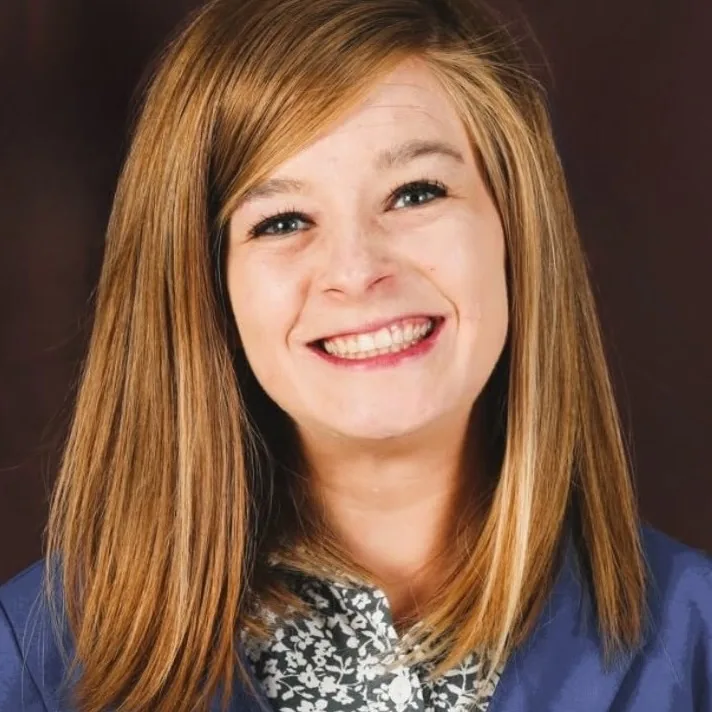
Kimberly Osborn, PhD
Specialty in eating disorders across children, teens, and adults: CBT-E, FBT, CBT-AR, and Feeling and Body Investigators (FBI) for young children with ARFID, with particular depth where an eating disorder co-occurs with OCD, anxiety, or trauma. Postdoctoral Fellow with the Eating and Anxiety Treatment (EAT) Lab at the University of Louisville, following her predoctoral internship at Duke University Medical Center, seeing patients at the Duke Center for Eating Disorders, and training on the adolescent inpatient unit of the Laureate Eating Disorders Program.
Read Dr. Osborn's full bio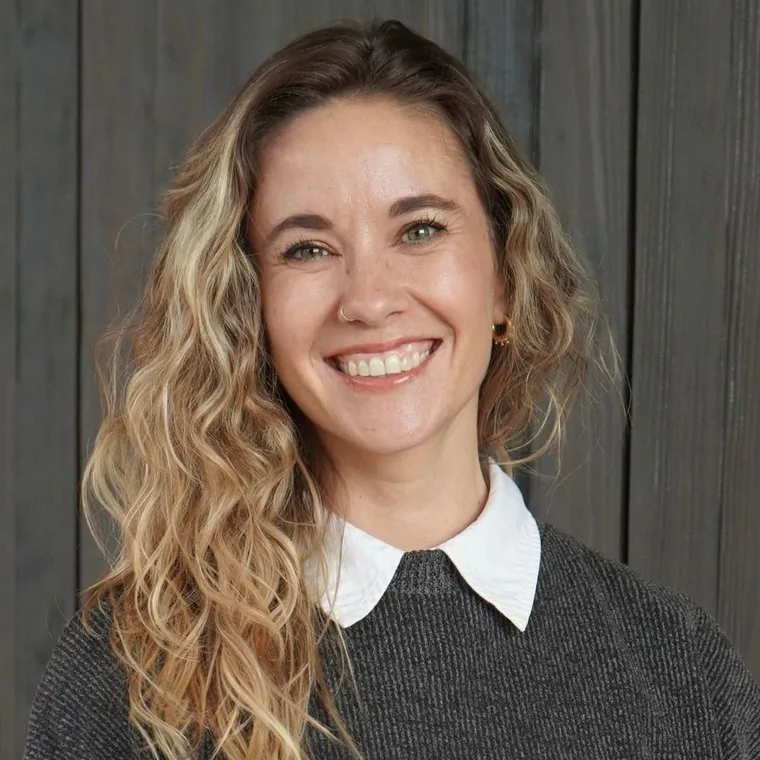
Kaitlin Hill, PhD
At Rogers Behavioral Health, one of the country’s leading eating disorder and OCD systems, she helped develop the manualized eating disorder protocol used across every level of care, from inpatient to outpatient, and supervised the teams delivering it. Her CBT-for-eating-disorders training began at the University of Hawai’i at Mānoa Eating Disorders Clinic under Dr. Kelly Vitousek, a pioneer of CBT for eating disorders, and she has taught nationally on exposure therapy for eating disorders.
Read Dr. Hill's full bio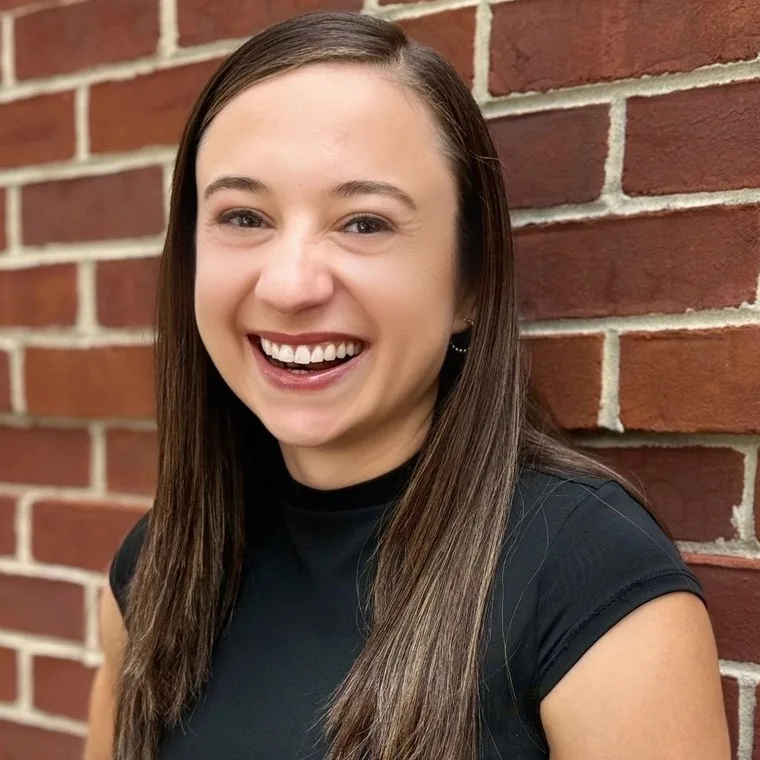
Eliza Lanzillo, PhD
Specialized training in eating disorder treatment alongside her ERP work in the Baylor College of Medicine OCD Program: FBT for adolescents and CBT-E for adults, with particular depth where eating disorders co-occur with OCD, anxiety, and mood or safety concerns. A former suicide-prevention researcher in the intramural program of the National Institute of Mental Health.
Read Dr. Lanzillo's full bio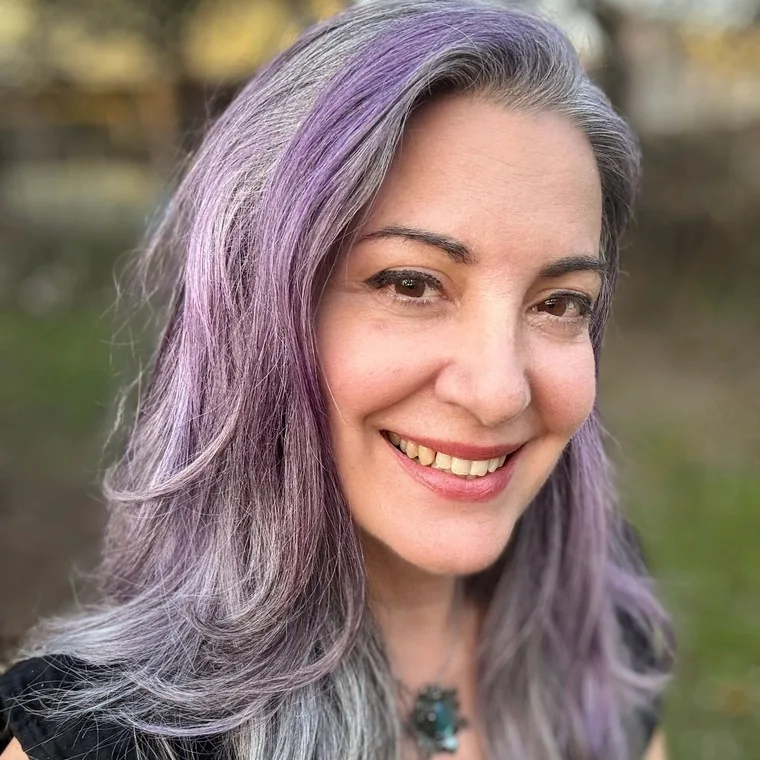
Nina Jolly
An FBT-trained caregiver peer mentor who has walked the path families are facing. She supports parents through what Family-Based Treatment actually demands, especially the hardest stretches, when you're doing everything right and recovery isn't visible yet. Profoundly complementary to the clinical care here, she gives families the one thing treatment can't prescribe: someone who has been through it and come out the other side.
Read Nina's full bio
Allie Appenzeller, PsyD
An expert in the anxiety and OCD that so often drive and accompany eating disorders, and in working with parents, the people FBT asks the most of. Founding Director of the ARPA School Anxiety and School Refusal Program at Baylor College of Medicine, where she is a Clinical Assistant Professor, she brings deep skill in helping families hold firm through refeeding and recovery.
Read Dr. Appenzeller's full bioThe Evidence-Based Treatments We Offer, and Who Each Is For.
Below is each treatment we offer: what it targets, who it's for, and the logic underneath it. Because when treatment makes sense, it's easier to commit to.
Treatments at a glance
Tap any treatment to jump to its full explanation below.
- Family-Based Treatment (FBT) for children & adolescents: anorexia and bulimia
- Caregiver Peer Mentorship for parents of adolescents in FBT
- Enhanced Cognitive Behavior Therapy (CBT-E) for adults: anorexia, bulimia, and binge eating disorder
- Exposure Therapy & Exposure and Response Prevention (ERP) for all ages: every eating disorder, and co-occurring OCD and anxiety
- SPACE (Supportive Parenting for Anxious Childhood Emotions) for parents of children & adolescents: co-occurring anxiety and OCD, including when the child refuses treatment
- Radically Open Dialectical Behavior Therapy (RO-DBT) for adolescents & adults: restrictive presentations driven by overcontrol
- Multidiagnostic Eating Disorder Dialectical Behavior Therapy (MED-DBT) for adolescents & adults: complex, multidiagnostic presentations
- Cognitive Behavior Therapy for ARFID (CBT-AR) & Family-Based Treatment for ARFID (FBT-ARFID) for all ages: avoidant/restrictive food intake disorder (ARFID); CBT-AR (individual) and FBT-ARFID (family-led)
- Feeling and Body Investigators (FBI) for young children: a playful, exposure-based ARFID treatment developed at the Duke Center for Eating Disorders
Family-Based Treatment (FBT)
Children and adolescents with anorexia or bulimia, and their parents, who become the treatment.
FBT is the most effective, research-supported treatment for adolescents with anorexia and bulimia, and it begins from a hard truth the starvation science makes clear: a malnourished adolescent brain cannot reliably choose recovery, and waiting for motivation costs time the body and the developing brain don't have. So FBT doesn't wait. It is agnostic about cause (no one is blamed, least of all parents), and it is not traditional "family therapy." It is a practical, action-oriented model in which parents temporarily take over the tasks the eating disorder has hijacked, with expert coaching every step of the way. Families often tell us this model finally "makes sense" of what they've been living with, and gives them a clear path forward.
Caregiver Peer Mentorship
Parents and caregivers carrying the weight of FBT.
FBT asks more of parents than any other treatment in mental health: holding boundaries through intense distress, staying calm at the hardest meals, making high-stakes decisions under fear and uncertainty. Our caregiver mentorship exists for exactly that weight. It is educational and skills-focused, led by Nina Jolly, an FBT-trained mentor with both professional experience inside our eating disorder program and lived experience as a parent who has walked a child through recovery. Grounded, pragmatic support from someone who has stood where you're standing, working in close concert with your clinical team to make the whole of treatment stronger.
Enhanced CBT (CBT-E)
Adults with anorexia, bulimia, or binge eating disorder.
CBT-E is built on a precise insight: what started an eating disorder is not what keeps it running. At the core of nearly every case sits the same engine: the overvaluation of body shape and weight, a reliance on them as the primary measure of self-worth. Treatment begins by drawing out a personalized formulation of your specific illness, a collaborative map of the mechanisms maintaining it. For many patients this map is the first time their eating disorder has ever made sense: why willpower alone never worked, why it feels like the disorder runs on autopilot.
Then the map becomes the plan. Regular eating comes first, because it biologically breaks the restriction that drives bingeing. Then the work turns to the engine itself (the dietary rules, the body checking and avoidance, the shape-and-weight overvaluation), dismantled through behavioral experiments rather than argument, while you actively build a broader sense of self: your values, relationships, achievements, and identity beyond appearance. In time, CBT-E helps you see yourself the way the rest of the world already does: defined not by a body, but by a whole person. Treatment typically begins twice weekly and tapers as progress holds, ending with relapse prevention built around your specific vulnerabilities.
Exposure Therapy & Exposure and Response Prevention (ERP)
All ages, woven through every eating disorder we treat, and essential where OCD or anxiety co-occurs.
In many ways, we view eating disorders as anxiety disorders. Whatever starts one, what maintains it is almost always fear and avoidance: fear of certain foods, fear of weight and body changes, fear of losing control, and ultimately fear of what might happen if eating were allowed to normalize. Those fears drive the behaviors that keep the illness alive: restriction, compulsive exercise, purging, endless body checking or total body avoidance. Each one buys a moment of relief and strengthens the disorder long-term.
ERP interrupts that cycle at its hinge. You approach the feared thing (the fear food, the restaurant, the number on the scale, eating in front of people) deliberately and gradually, while holding back the ritual or escape that usually follows. Repeated practice teaches the brain, through experience rather than reassurance, that anxiety subsides on its own, that feared outcomes are survivable, and that the catastrophic predictions, about both how likely the feared outcome is and how unbearable it would be, rarely come true. We deliver it where the fear actually lives: at the table, in the grocery store, in the moments between sessions. When OCD co-occurs with an eating disorder, as it so often does, ERP treats both engines at once.
SPACE (Supportive Parenting for Anxious Childhood Emotions)
Parents of children and adolescents, including the child who refuses treatment.
SPACE is a parent-based treatment developed at the Yale Child Study Center for childhood anxiety and OCD, conditions that travel with eating disorders more often than not. It works entirely through you. We map the ways the family has been pulled into accommodating the fear (the reassurance loops, the avoided foods and places, the rituals the household quietly absorbs) and reduce them deliberately, while you learn supportive responses that communicate two things at once: I see how hard this is, and I know you can handle it. Because SPACE requires nothing of the child, it is often how treatment starts when a child won't engage. And when anxiety or OCD rides alongside an eating disorder, our FAM Model runs SPACE-informed accommodation work alongside FBT concurrently, so neither illness waits its turn.
Radically Open DBT (RO-DBT)
Adolescents and adults with restrictive presentations: the disciplined, high-achieving, privately exhausted ones.
Some people simply have too much of a good thing. Not all suffering comes from too little self-control; for many people with restrictive eating disorders, it comes from too much: perfectionism, rigid routines, emotion held tightly in check, a composed exterior over a profound loneliness. If you've ever been described as responsible, driven, and disciplined, and felt disconnected, unseen, or misunderstood underneath, that is the pattern RO-DBT was built for.
Where most treatments try to add control, RO-DBT deliberately loosens it. You learn to express emotion openly and authentically, tolerate uncertainty without a rulebook, loosen rigid rule-governed behavior, and rebuild the genuine social connection that overcontrolled coping shuts out: a life guided by values instead of rules. For the restrictive patient whose eating disorder is one expression of a lifelong overcontrolled style, this treats what other approaches never touch.
Multidiagnostic Eating Disorder Dialectical Behavior Therapy (MED-DBT)
Adolescents and adults whose eating disorder is entangled with intense emotions, impulsivity, or co-occurring struggles.
It exists for the presentations standard protocols leave behind: eating disorders interwoven with emotion dysregulation, where bingeing and purging function as ways to escape unbearable feeling, and where self-harm, impulsivity, or mood instability keep interrupting treatment itself. If treatment has repeatedly stalled because "something else keeps coming up," that is not a personal failure; it is a sign the treatment wasn't built for the whole picture.
MED-DBT is. It brings the full dialectical behavior therapy architecture (distress tolerance, emotion regulation, staged targets that stabilize the most dangerous behaviors first) and aims it at the eating disorder and everything tangled around it, together rather than sequentially. You learn concrete skills that do what the eating disorder has been doing (regulating overwhelming emotion) without the cost. It is a treatment for complexity, built for the patients most often told they are "too complicated" for eating disorder care.
Cognitive Behavior Therapy for ARFID (CBT-AR) & Family-Based Treatment for ARFID (FBT-ARFID)
Children, adolescents, and adults with ARFID.
CBT-AR is a structured, exposure-based treatment developed specifically for avoidant/restrictive food intake disorder: the eating disorder that has nothing to do with body image. ARFID's restriction runs on one or more of three engines: sensory sensitivity to taste, texture, or smell; fear of aversive consequences like choking, vomiting, or stomach pain; or low appetite and limited interest in food. A child who eats seven foods, an adult who hasn't tried a new food in a decade, someone who stopped eating solids after one terrifying choking episode. Treating any of them like anorexia fails, because the engine is different.
CBT-AR proceeds in a clear sequence: psychoeducation and a consistent eating pattern first, then correcting nutritional deficits, then expanding volume and variety through systematic, graded exposure, matched to your specific engine, in session and between sessions, with predictions updated after every exposure so rigid expectations about food loosen against real experience. For children and teens, a family-based version, Family-Based Treatment for ARFID (FBT-ARFID), puts parents at the center: the same neurobiological logic as FBT for anorexia, adapted for ARFID, with parents leading the home exposures, structure, and nutritional gains their child cannot yet drive alone. For medically stable, motivated adults, an individual format hands you the lead. Families consistently see measurable gains: broader diets, less fear at the table, and a fuller re-engagement with daily life.
Feeling and Body Investigators (FBI)
Young children with ARFID, roughly ages four to ten.
For a young child, ARFID rarely announces itself as an eating disorder. It looks like a child who is terrified of throwing up, who reads every stomach gurgle as an emergency, whose list of safe foods keeps shrinking, and who cannot yet explain any of it, because the fear lives in body sensations a six-year-old has no words for. Feeling and Body Investigators, developed at the Duke Center for Eating Disorders, was built for exactly this child.
FBI turns treatment into detective work. Body sensations get names, faces, and case files; the child becomes an investigator, running playful experiments, in session and at home, to find out what a pounding heart or a gurgling stomach actually means, instead of treating every signal as danger. Underneath the play is serious clinical machinery: interoceptive exposure, the same principle we use with adults, translated to the level of a young child, with parents trained as co-investigators so the curiosity keeps working at the dinner table. FBI is newer than CBT-AR, with promising early research behind it, and we use it where it fits best: young children whose fear of their own body sensations is driving the restriction.
Across all of it, the common thread: we always know what we are treating and why, and so will you.
Not sure which of these fits your situation? That's exactly what the screening call is for.
Request a ConsultationHigher Levels of Care, Without Losing Your Specialist.
When outpatient isn't enough, you shouldn't have to start over with strangers at a facility. We offer intensive options built around the same team and the same evidence-based care.
In-Home Eating Disorder Intensives
Concentrated, one-on-one support where eating actually happens: your kitchen, your table. Best when mealtimes are the battleground. South Florida, Houston, Denver, and Chicago.
Explore In-Home IntensivesVirtual Intensives
The same concentrated, multi-session structure delivered by telehealth, at each clinician's standard session rate, for families in 40+ PSYPACT states who need more than weekly sessions.
Explore Virtual IntensivesCaregiver Support
FBT-informed coaching and peer mentorship for the parents doing the hardest work of recovery, including from a mentor who has lived it.
Ask About Caregiver SupportA Private-Pay Practice, and Why That Matters for Eating Disorder Treatment.
The Evidence-Based Treatment Institute is a private-pay practice. We do not accept insurance. This is a deliberate clinical and ethical choice, and we want to be transparent about it.
Insurance companies routinely deny, limit, or prematurely terminate eating disorder treatment based on criteria that have nothing to do with clinical reality. By operating outside of insurance, we remove those constraints entirely. Your treatment plan is driven by the evidence and by your individual progress, and nothing else.
- Detailed superbills provided upon request for potential out-of-network reimbursement
- Transparent, flat-rate session fees discussed openly during your initial consultation
- Flexible intensive formats that can be more cost-effective than prolonged weekly therapy
- No surprise billing, no prior authorization delays, no mid-treatment coverage disputes
Ready to start? Reach out and a clinician, not a scheduler, gets back to you within one business day.
Request a ConsultationQuestions Families Ask Us First.
Selected References
- Keys A, et al. The Biology of Human Starvation. University of Minnesota Press, 1950.
- Lock J, Le Grange D, et al. Randomized clinical trial comparing family-based treatment with adolescent-focused individual therapy for adolescents with anorexia nervosa. Archives of General Psychiatry, 2010.
- Fairburn CG. Cognitive Behavior Therapy and Eating Disorders. Guilford Press, 2008.
- Lock J, Le Grange D. Treatment Manual for Anorexia Nervosa: A Family-Based Approach, 3rd ed. Guilford Press, 2025.
You Don't Have to Figure This Out Alone.
If you've read this far, you already know that what your family is facing is serious, and that you want real help, not more waiting. We do too.
Fill out our brief new patient inquiry form and we'll be in touch within one business day. If we're not the right fit, we'll tell you honestly and do our best to connect you with someone who is.
When you're ready, we're ready.
Request a Consultation