
Anxiety Is Treatable.
And We Treat It the Way That Actually Works.
We are exposure therapists. For anxiety, that's the difference that matters: exposure-based CBT is the most effective treatment there is, and it's the one most therapists never actually deliver. Children, teens, and adults. In person in Boca Raton, Houston, and Denver; by telehealth, including virtual intensives, in Chicago, Austin, and 40+ PSYPACT states.
Anxiety has been quietly making your world smaller.
It narrows your choices, drains your energy, and reorganizes life around avoidance. If several of these resonate (for you or your child), what you're describing responds well to the right treatment.
If you saw yourself above, that recognition is the first step. The next one is a conversation.
Request a ConsultationExposure-Based CBT Works, and It Works Faster Than Most People Expect.
Anxiety can convince you it's permanent, or that it's simply who you are. The research says otherwise. Exposure-based cognitive behavioral therapy is the most effective psychological treatment for anxiety disorders that exists. And for many people, meaningful change comes in a matter of months, not years. Exposure-based CBT is also what the American Psychological Association's clinical guidelines point to as the first-line treatment for anxiety disorders: the approach with the deepest evidence base, not the newest branding.
Figures reflect findings from the published clinical research literature on exposure-based CBT for anxiety disorders, not internal outcome data from the Evidence-Based Treatment Institute. Individual results vary. We share these to convey what well-delivered exposure-based treatment makes possible, not to promise a specific outcome.
- Craske MG, et al. (2014). Maximizing exposure therapy: an inhibitory learning approach. Behaviour Research and Therapy. View study
- Becker CB, Zayfert C, & Anderson E (2004). A survey of psychologists' attitudes towards and utilization of exposure therapy for PTSD. Behaviour Research and Therapy. View study
- Lebowitz ER, et al. (2020). Parent-based treatment as efficacious as cognitive-behavioral therapy for childhood anxiety: a randomized noninferiority study of Supportive Parenting for Anxious Childhood Emotions. Journal of the American Academy of Child & Adolescent Psychiatry. View study
- Foa EB, Yadin E, & Lichner TK (2012). Exposure and Response (Ritual) Prevention for Obsessive-Compulsive Disorder: Therapist Guide, 2nd ed. Oxford University Press.
Most "Anxiety Therapy" Skips the One Ingredient That Actually Works.
Exposure-based cognitive behavioral therapy is the gold-standard, first-line treatment for anxiety disorders. Decades of research establish exposure as the central, active ingredient of effective CBT for anxiety: the component that produces lasting change rather than temporary relief. And yet research consistently finds that as many as 90% of practicing clinicians do not routinely deliver exposure-based work to the anxious patients they see.
Instead, most "anxiety therapy" is supportive and conversational: talking through worries, learning to relax, managing symptoms. These approaches feel good in the room. But for an anxiety disorder, talking about the fear while continuing to avoid it tends to maintain the anxiety rather than resolve it. Avoidance is the engine of anxiety, and only treatment that systematically reverses avoidance can turn it off.
At the Evidence-Based Treatment Institute, exposure therapy is not something our clinicians are "familiar with." It is our core clinical specialty: the same expertise we bring to OCD through ERP, applied across the full range of anxiety disorders. We are exposure therapists. That is the work we do, and we do it with the fidelity the research demands.
The Anxiety Disorders We Treat, and How Exposure Is Adapted to Each.
We treat anxiety with the same precision we bring to OCD. Not generalized "anxiety management": targeted, exposure-based treatment matched to the specific disorder you or your child is living with.
Social Anxiety Disorder
Children, Adolescents & AdultsSocial fears, performance anxiety, and avoidance of social situations. Treated with exposure-based CBT: structured, graduated exposure to feared social scenarios, including intentional social mishaps designed to test the feared outcome head-on, while dropping the safety behaviors that prevent natural learning. One of the most responsive anxiety disorders to well-delivered treatment.
Panic Disorder & Agoraphobia
Adolescents & AdultsPanic attacks, fear of fear, and avoidance of places where panic might strike. Treated with interoceptive exposure (deliberately and safely inducing the physical sensations of panic to break the fear-of-fear cycle), paired with in-vivo exposure to the places and situations agoraphobia has made off-limits, so the avoidance shrinks and your world opens back up. One of the clearest examples of exposure's power when delivered correctly.
Specific Phobias (including Emetophobia)
Children, Adolescents & AdultsFear of vomiting (emetophobia), choking, blood, heights, animals, flying, and more. Treated with graduated in-vivo exposure. Phobias, including less common ones like emetophobia, respond exceptionally well to properly structured exposure, often faster than patients expect.
Health Anxiety (Illness Anxiety Disorder)
Adolescents & AdultsFear of illness, compulsive body-checking, and medical reassurance-seeking. Treated with exposure-based CBT targeting the checking, seeking, and avoidance behaviors that maintain the anxiety, helping you tolerate uncertainty about your health rather than chase a certainty that never comes.
Separation Anxiety & School Refusal
Children, Adolescents & AdultsFear of separation, school refusal, and somatic complaints. Treated with exposure-based CBT and, for younger children, SPACE, which helps parents reduce the accommodations that inadvertently maintain anxiety. Led by Allie Appenzeller, PsyD, Founding Director of BCM's ARPA School Anxiety & School Refusal Program.
Generalized Anxiety Disorder (GAD)
Adolescents & AdultsChronic, free-floating worry that jumps from work to health to family to the future, driven less by any single fear than by an intolerance of uncertainty. Rather than exposure to one feared situation, we target the worry process itself: testing the hidden belief that worrying keeps you safe, and building the capacity to act and decide without needing certainty first.
Recognize your own anxiety in any of these? It's the same proven, exposure-based work either way, and a clinician will answer your inquiry within one business day.
Request a ConsultationA team of exposure therapists, not generic anxiety counseling.
Led by Baylor College of Medicine faculty, including the Founding Director of its School Anxiety & School Refusal Program, every clinician on our anxiety team brings specialized, exposure-based expertise.
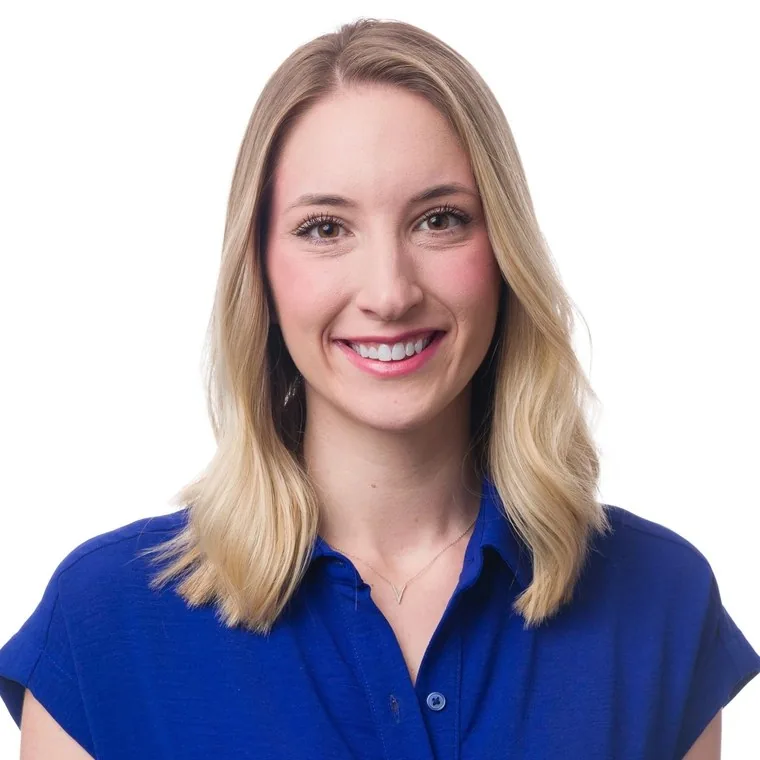
Allie Appenzeller, PsyD
Founding Director of Baylor College of Medicine's ARPA School Anxiety & School Refusal Program and Clinical Assistant Professor at BCM's OCD Program. Specializes in anxiety, school refusal, OCD, and perinatal mental health, with deep expertise in exposure-based CBT and SPACE.
Read Dr. Allie Appenzeller's full bio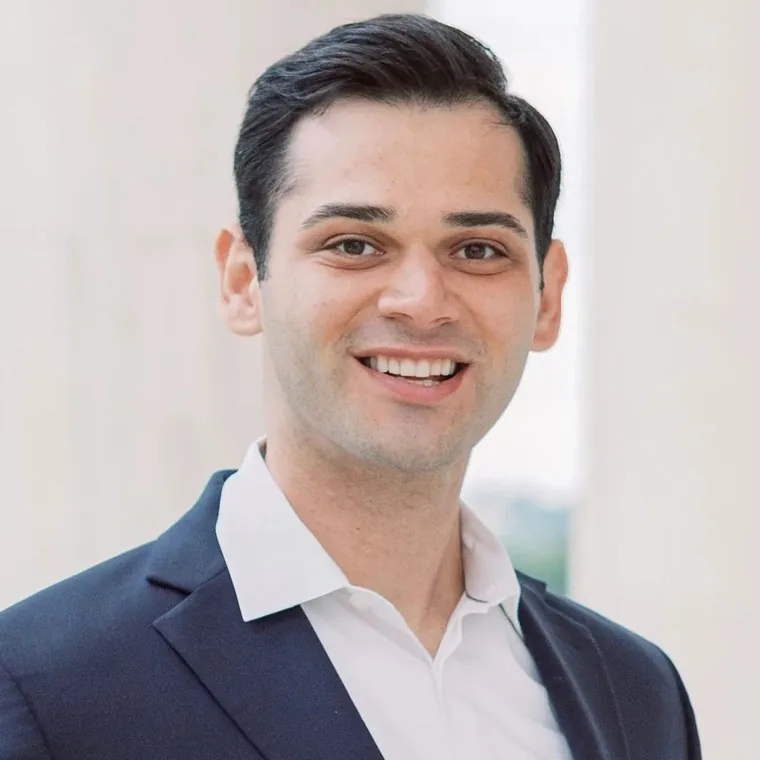
Zach Appenzeller, PsyD
Clinical Assistant Professor at Baylor College of Medicine's OCD Program and developer of the FAM Model. Specializes in anxiety, OCD, and eating disorders, particularly the complex, treatment-resistant presentations where they overlap.
Read Dr. Zach Appenzeller's full bio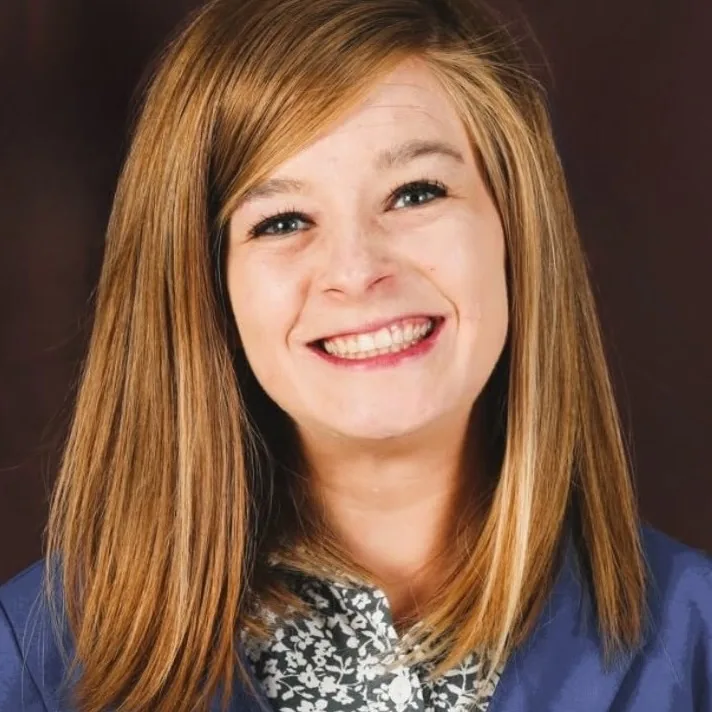
Kimberly Osborn, PhD
Exposure-based treatment for anxiety in children, teens, and adults (ERP and ACT), with particular depth where anxiety co-occurs with an eating disorder or OCD. Postdoctoral Fellow with the Eating and Anxiety Treatment (EAT) Lab at the University of Louisville, a lab devoted to exactly these overlapping conditions.
Read Dr. Osborn's full bio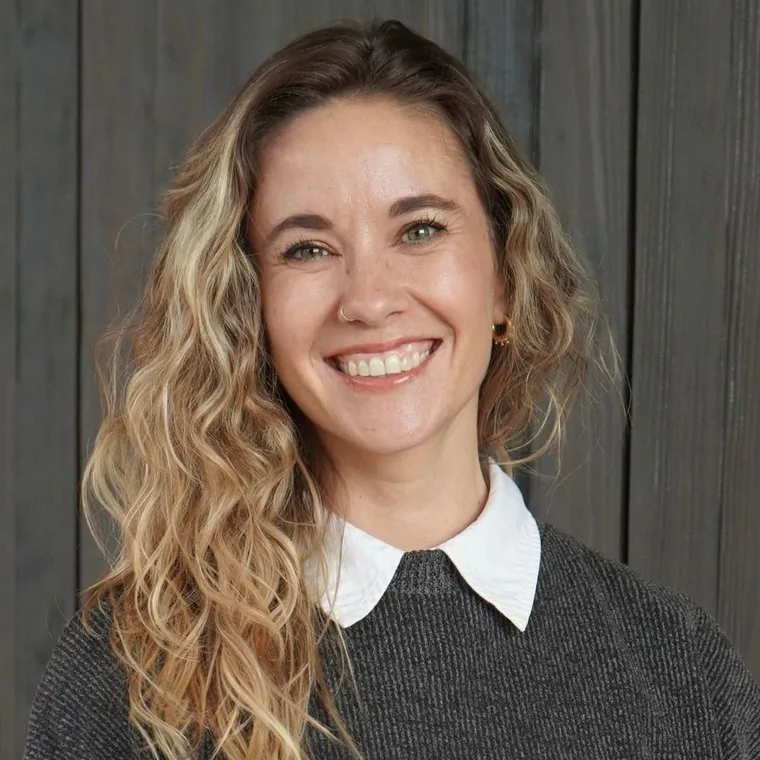
Kaitlin Hill, PhD
Trained at Rogers Behavioral Health, through predoctoral internship and postdoctoral fellowship in its adult OCD residential program, and went on to clinical work at the OCD Institute of Texas. Brings genuine depth delivering exposure-based CBT for the anxious and OCD presentations that most "anxiety therapy" never properly treats.
Read Dr. Hill's full bio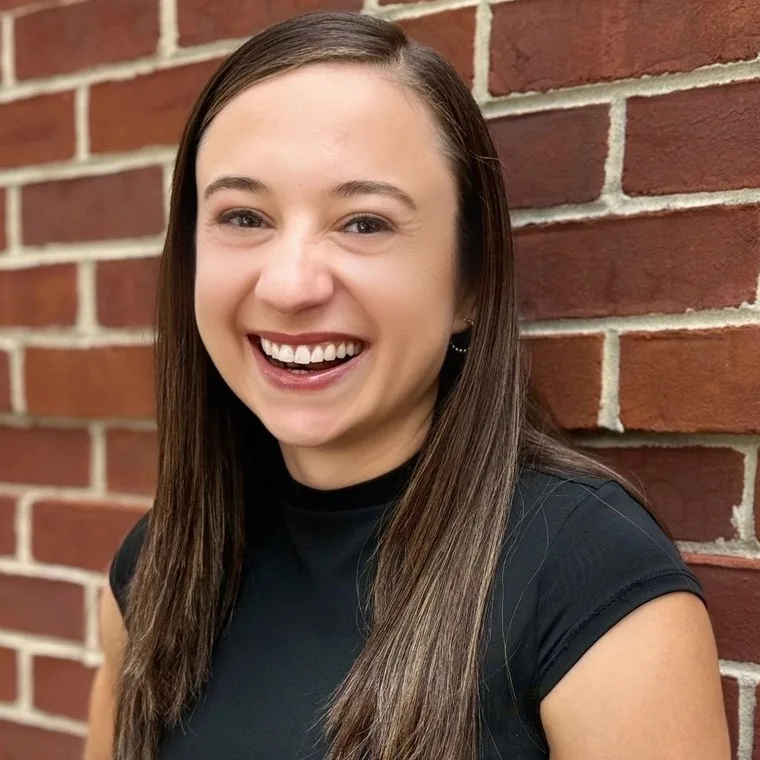
Eliza Lanzillo, PhD
Trained at the Baylor College of Medicine OCD Program in exposure-based treatment for anxiety and OCD, and a former NIMH suicide-prevention researcher, bringing particular depth where anxiety co-occurs with mood and safety concerns.
Read Dr. Lanzillo's full bio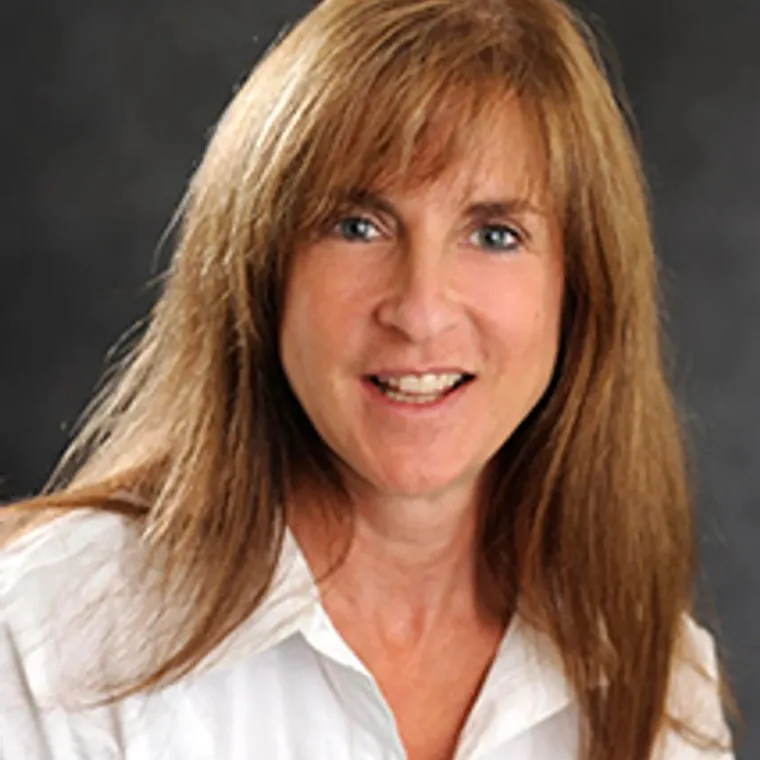
Natalia Levy, PhD
Brings more than three decades of work with anxious children, adolescents, and adults, as well as their families. She understands how anxiety shifts across the lifespan and, crucially, how the family system around an anxious child can either ease the anxiety or unintentionally feed it. Particular depth supporting parents and working with the whole family, not just the patient.
Read Dr. Levy's full bioWhat Is Exposure Therapy, and What Does It Actually Look Like?
Anxiety is maintained by a simple, powerful cycle: a situation feels threatening, so you avoid it (or endure it with safety behaviors); the avoidance brings immediate relief; and that relief teaches your nervous system that the situation really was dangerous and that avoidance was necessary. Every repetition makes the anxiety stronger and the world smaller.
Exposure therapy interrupts this cycle. Working together, gradually and collaboratively, we help you approach the situations, sensations, and thoughts you've been avoiding, without the escape, reassurance, or safety behaviors that normally short-circuit the learning. Done correctly, this teaches your brain what avoidance never could: that the feared outcome doesn't occur, that anxiety rises and then falls on its own, and that you can tolerate far more than the anxiety led you to believe.
Exposure takes different forms depending on the disorder: in-vivo exposure (real-life situations), interoceptive exposure (feared physical sensations, central to panic treatment), and imaginal exposure (feared images or scenarios). But the principle is the same across all of them.
What exposure therapy is not:
What the treatment process looks like at the Evidence-Based Treatment Institute:
Assessment & Formulation
We map the specific anxiety disorder, the situations and sensations you avoid, the safety behaviors that maintain it, and the impact on your life. Treatment is tailored to your diagnosis, not a generic anxiety treatment.
Psychoeducation
Before any exposure begins, you'll understand the anxiety cycle, why avoidance maintains it, and exactly what exposure will ask of you. Informed patients do better, and we don't begin until you're ready.
Building the Exposure Hierarchy
Together we build a personalized, ranked list of feared situations and sensations, and work through them systematically. Nothing is sprung on you; you always know what's coming and why.
Exposure & Dropping Safety Behaviors
This is the active work: both halves together. In exposure, you deliberately approach the situations and sensations you've been avoiding, instead of steering around them. In dropping safety behaviors, you let go of the subtle moves that keep anxiety alive: reassurance-seeking, checking, gripping your phone, rehearsing an exit, and worry itself. Exposure with those still running isn't treatment; it's rehearsing the fear, because the brain credits the safety behavior, not you, for getting through. Drop them deliberately, and the new experience lands at full strength. We coach you through both, in session and between.
Generalization & Relapse Prevention
We extend your gains across new situations, equip you to handle future flare-ups independently, and build a relapse-prevention plan grounded in your specific anxiety pattern.
The Five Beliefs That Drive Anxiety, and Why Logic Alone Can't Fix Them.
Every anxiety disorder runs on a small set of distorted beliefs. You've probably already argued with them, and noticed that it doesn't work. You can know the plane is safe and still shake. That's because the brain's threat system doesn't update through logic and reason; it updates through experience. This is why exposure therapy is the most powerful cognitive therapy there is: it doesn't debate the anxious beliefs, it disproves them, in person, repeatedly, until your brain rewrites them on its own.
1. "The danger is likely."
Overestimating the probability of the feared outcome. Exposure provides the data argument can't: you face the situation, and the catastrophe doesn't come, again and again, until the prediction loses credibility.
2. "If it happens, it will be unbearable."
Catastrophizing the cost. Through exposure, you discover that even uncomfortable outcomes (awkwardness, embarrassment, uncertainty) are survivable, and far smaller in reality than in anticipation.
3. "I won't be able to cope."
Underestimating yourself. No amount of reassurance builds self-trust. Handling the feared situation, without rescue, without escape, does. Exposure is coping evidence, accumulated firsthand.
4. "The anxiety itself will harm me."
The fear of fear: believing panic or anxious arousal is dangerous or intolerable. In exposure you let the anxiety come, peak, and pass, and learn the most liberating lesson in treatment: the alarm is loud, not dangerous.
5. "I have to be certain."
Intolerance of uncertainty: the belief underneath the other four. The anxious mind demands a guarantee before it will stand down, and no amount of reasoning ever supplies one. Exposure is practice at acting without the guarantee, moving forward while the question stays open, and discovering that uncertainty itself is survivable.
SPACE: helping your child by working with you, the parents.
Some anxious children take to therapy readily. Many don't: they refuse to go, shut down in session, or insist nothing is wrong while their world keeps shrinking. For decades, families in that position were told to wait. SPACE (Supportive Parenting for Anxious Childhood Emotions) changed that: it treats childhood anxiety and OCD entirely through the parents. Your child never has to attend a session for treatment to work.
The mechanism is family accommodation, all the adjustments loving parents make to spare an anxious child distress: answering endless reassurance questions, lying beside them until they sleep, ordering for them at restaurants, managing the family schedule around their fears. Accommodation comes from love, and it quietly teaches the child's brain one lesson over and over: you can't handle this without us. In SPACE, we map your family's accommodations and reduce them step by step, while replacing them with supportive responses that carry a different message: I see how hard this is, and I know you can handle it.
The evidence is remarkable: in a randomized trial, parent-only SPACE was as effective as gold-standard exposure-based CBT delivered directly to the child: equivalent outcomes across every primary measure, whether rated by clinicians, parents, or the children themselves, with even greater reductions in family accommodation. A treatment that requires nothing from the child performed on par with the best child treatment we have.
Very few anxiety specialty practices offer SPACE delivered by clinicians genuinely trained in it. We use it on its own when a child won't engage, or alongside exposure-based treatment to make it work better. Either way, you stop being the anxiety's assistant and become the treatment.
If your child isn't ready but you are, that's enough to begin.
Request a ConsultationIntensive Options, Same Specialist Team.
In-Home Intensives
We come to you. Concentrated exposure in your home and the spaces around it. South Florida, Houston, Denver, and Chicago. Based in South Florida? Start with anxiety treatment in Boca Raton.
Learn MoreIn-Vivo Intensives
Real-world exposure where anxiety shows up: school drop-off, the highway, the crowded room. We do the work in the moment.
Learn MoreVirtual Intensives
The same intensive, exposure-based work over secure telehealth, at each clinician's standard session rate, anywhere we're licensed across 40+ PSYPACT states.
Learn MoreReady to start? Reach out and a clinician, not a scheduler, gets back to you within one business day.
Request a ConsultationQuestions people ask us first.
Selected References
- Craske MG, et al. Maximizing exposure therapy: an inhibitory learning approach. Behaviour Research and Therapy, 2014.
- Lebowitz ER, et al. Parent-based treatment as efficacious as cognitive-behavioral therapy for childhood anxiety: a randomized noninferiority study of Supportive Parenting for Anxious Childhood Emotions. Journal of the American Academy of Child & Adolescent Psychiatry, 2020.
- Becker CB, Zayfert C, Anderson E. A survey of psychologists' attitudes towards and utilization of exposure therapy for PTSD. Behaviour Research and Therapy, 2004.
- Foa EB, Yadin E, Lichner TK. Exposure and Response (Ritual) Prevention for Obsessive-Compulsive Disorder: Therapist Guide, 2nd ed. Oxford University Press, 2012.
The right treatment for anxiety exists. It's here, and you can start this week.
Most of the people who contact us have already been in therapy. They've tried approaches that helped a little, or not at all. They're not here because therapy failed; they're here because they haven't yet received the specific, evidence-based treatment that anxiety actually responds to.
That treatment exists. We deliver it with clinical rigor, genuine expertise, and genuine care. And a clinician, not a scheduler, will answer your inquiry within one business day.
You don't have to keep organizing your life around what anxiety will allow. There's a clear path through it, and it starts with a single conversation.
Request a Consultation