
When an eating disorder and OCD show up together.
Most patients with an eating disorder have meaningful OCD or anxiety features. When OCD or anxiety involves food, body, or contamination, eating disorder features are seldom far behind. We treat the whole picture, not one diagnosis at a time. In person in Boca Raton, Houston, Chicago, and Denver; by telehealth, including virtual intensives, in Austin and 40+ PSYPACT states.
Request a ConsultationIf you're here, you probably already know that one diagnosis isn't the whole story.
Most clinical settings will treat your eating disorder OR your OCD. Your anxiety OR your eating disorder. They'll tell you the other can wait: that it's secondary, that it will resolve once the primary diagnosis is addressed. Sometimes that's true. Often, it isn't. Our approach reflects a different conviction, and it organizes how we treat eating disorders themselves: whatever starts an eating disorder, what maintains it is almost always fear and avoidance: fear of foods, of weight and body change, of losing control, of what might happen if eating were allowed to normalize. Those fears drive behaviors that buy a moment's relief and strengthen the illness long-term. That is anxiety's architecture, which is why exposure is woven through every eating disorder we treat, not reserved for the OCD beside it. It is also why, when the two co-occur, we treat them together rather than in sequence: the same engine runs both, and the same principles reach both at once.
The reality clinical research has shown for years: roughly two-thirds of patients with anorexia or bulimia meet lifetime criteria for at least one anxiety disorder or OCD (OCD alone in roughly four in ten), and a substantial minority of patients with OCD or severe anxiety develop food, body image, or eating disturbances that meet full eating disorder criteria in their own right. These aren't unusual cases. They are the cases.
Just as telling is the order of onset: in the majority of cases, the anxiety disorder came first, often in childhood, years before the first eating symptom. The eating disorder grew in soil the anxiety had already prepared.
None of this is coincidence. Both conditions grow from the same temperamental ground: harm avoidance, intolerance of uncertainty, perfectionism, and a cognitive style that grips detail and resists shifting set. The diagnoses are different expressions; the vulnerabilities underneath are shared. Which is exactly why treating one and ignoring the other so often fails: the soil is still there.
Why this matters for treatment
When you treat the eating disorder and ignore the OCD, the ritualistic and rigid features that drive food restriction don't get the targeted exposure work they need, and relapse risk climbs. When you treat the OCD and ignore the eating disorder, the ERP work gets undermined from below, most often by the malnutrition that's quietly maintaining the cognitive rigidity. The treatments are different. They need to happen together, prioritized and paced deliberately, by clinicians who understand both.
If this overlap sounds familiar, the screening call is where we untangle it, together.
Request a ConsultationWhen conditions co-occur, treating only one leaves the other to pull you back.
Co-occurring conditions are the rule, not the exception: eating disorders, OCD, anxiety, and trauma frequently travel together. The research is clear that each of these conditions has a highly effective, evidence-based treatment. The problem is that most practices are built to treat one at a time, so the untreated condition quietly undermines progress on the other. Integrated, simultaneous treatment is what breaks that cycle.
Statements reflect the established clinical research literature on co-occurring conditions and their evidence-based treatments, not internal outcome data from the Evidence-Based Treatment Institute. Individual results vary. We share this to convey why integrated, evidence-based treatment matters, not to promise a specific outcome.
Sources
- Foa EB, Liebowitz MR, Kozak MJ, et al. (2005). Randomized, placebo-controlled trial of exposure and ritual prevention, clomipramine, and their combination in the treatment of obsessive-compulsive disorder. American Journal of Psychiatry, 162(1), 151–161. View study
- Öst LG, Havnen A, Hansen B, Kvale G (2015). Cognitive behavioral treatments of obsessive-compulsive disorder: A systematic review and meta-analysis of studies published 1993–2014. Clinical Psychology Review, 40, 156–169. View study
- Pediatric OCD Treatment Study (POTS) Team (2004). Cognitive-behavior therapy, sertraline, and their combination for children and adolescents with obsessive-compulsive disorder: The Pediatric OCD Treatment Study (POTS) randomized controlled trial. JAMA, 292(16), 1969–1976. View study
- Lebowitz ER, Marin C, Martino A, Shimshoni Y, Silverman WK (2020). Parent-based treatment as efficacious as cognitive-behavioral therapy for childhood anxiety: A randomized noninferiority study of Supportive Parenting for Anxious Childhood Emotions. Journal of the American Academy of Child & Adolescent Psychiatry. View study
The patterns we see most often.
From the outside, the behaviors look nearly identical: restricted eating, rituals around food, distress when a routine is interrupted. The diagnostic question is rarely the behavior; it is the function underneath it. What is the fear actually of? Weight gain and shape change point to a body-image-driven eating disorder's engine. Contamination, incompleteness, or unanswerable doubt (with no shape-and-weight content) point to OCD's. Fear of choking, vomiting, or eating itself points to ARFID's; some restriction runs on no fear at all, only sensory aversion or low interest in food. And in the patients who come to us, the honest answer is both, in different proportions for different behaviors.
Anorexia with OCD running underneath it.
The obsessionality usually arrives first; the eating disorder later organizes it around food, weight, and ritual. The two illnesses then divide the patient's allegiance: OCD is typically ego-dystonic (the patient wants the intrusive thoughts gone), while anorexia is often ego-syntonic, defended as discipline, even identity. The same exposure principle lands differently in each, because this patient is fighting against one illness and for the other. Formulating which behaviors belong to which changes pacing, consent, family involvement, and what relapse prevention has to hold after weight restoration.
Contamination OCD wearing an eating disorder's clothes.
Fear of illness, spoilage, chemicals, or unsafe preparation progressively narrows the safe-food list (sometimes far enough that the eating disturbance outgrows the OCD driving it and warrants an ARFID diagnosis in its own right) and carries an eating disorder's full medical consequences: weight loss and nutritional compromise. Some patients also purge, not to undo calories but to get a food that feels contaminated out of the body. Ask what the fear is of, and the answer is never weight gain or a changed shape; that is what separates this from anorexia or bulimia, and it is why standard eating disorder treatment usually stalls here. The mechanism needs ERP, while the malnutrition needs clinicians who know refeeding.
"Do I even have an eating disorder?"
Relentless obsessions about whether the illness is real: What if I'm lying? What if I'm making it all up, and that makes me a bad person? The compulsion that follows is restriction: proving the illness real, purchasing certainty, meal after meal, that they are not a fraud. And because obsessional questions never stay settled, the proof has to be repeated. The OCD demands evidence; the eating disorder supplies the ritual; the patient stays sick to answer a question that cannot be answered. Treating this requires ERP aimed at the doubt itself, never taking the question at face value.
"Just right" rituals that keep recovery from holding.
Food must be cut, arranged, sequenced, or chewed precisely (the right food, at the right time, in the right bowl, with the right spoon), and deviation produces distress that has nothing to do with calories: one not-just-right bite can leave the whole day feeling wrong. When the "just right" amount is also too little, weight suppression follows. Because the behavior looks anorexic, it is easily folded into the eating disorder and treated with nutrition and body-image work, but the fear here is incompleteness, not weight. Starvation manufactures its own rituals, and refeeding melts most of them; the rituals that survive weight restoration (and never answered to weight in the first place) are where you go looking for the OCD. Missed, they quietly rebuild restriction after discharge. Compulsive exercise can behave the same way, a ritual that looks like training. Named correctly, this responds to ERP: provoke the wrongness, block the ritual, and let the brain learn the distress is tolerable.
When both starting and stopping eating hang on a feeling.
Some patients can't stop eating until the last bite feels just right: not hunger, not loss of control, but an incompleteness that won't release them until the right sensation finally arrives, carrying them far past what they ever intended to eat. Others can't start: beginning a meal means gambling on a just-right ending that may never come, so it feels safer not to eat at all. Ask about shape and weight and you'll find little; this is OCD's incompleteness dimension running the meal. But the consequences are an eating disorder's: overeating, avoidance, weight suppression. And recovery gets medically and psychologically harder unless ERP for the just-right compulsions runs alongside the FBT or CBT-E.
Bulimia and binge eating that run on anxiety.
A binge is a powerful short-term anxiety regulator (it interrupts rumination, numbs social-evaluative dread, ends an unbearable buildup), and purging or renewed restriction then discharges the panic the binge itself created while biologically loading the next binge. The anxiety breaks immediately and the shame arrives later, and that timing makes the cycle self-maintaining. In binge eating disorder the loop more often runs through shame, secrecy, and on-again-off-again dieting that primes the next episode. Treat the eating behavior without the anxiety it regulates, and the behavior too often returns with new triggers: the job it was doing still needs doing.
ARFID driven by a fear of choking or vomiting.
After a choking scare, a stomach virus, or sometimes out of nowhere, eating itself becomes the feared event. Emetophobia and choking phobia sit at the intersection of specific phobia, OCD, and eating disorder: the avoidance is phobic in mechanism but an eating disorder in consequence, sometimes to the point of medical instability. Sensory-based ARFID is a different mechanism again: texture and taste sensitivity rather than fear of catastrophe. A third presentation runs on low appetite and little interest in food at all; the three are routinely conflated. The exposure targets differ (feared outcomes versus new foods), which is why a formulation, not a label, has to drive the treatment plan.
Body dysmorphic disorder beside, not inside, the eating disorder.
The dividing line: weight-and-shape preoccupation in someone who meets criteria for an eating disorder is the eating disorder's territory. Body dysmorphic disorder is the diagnosis when the obsessions fixate on features beyond it (skin, facial structure, hair, or, in muscle dysmorphia, insufficient muscularity), with mirror-checking, comparing, and camouflaging as the compulsions. The two can genuinely co-occur, and muscle dysmorphia in particular produces rigid eating, supplement rituals, and compulsive training that get misread as a straightforward eating disorder. BDD responds to ERP adapted for it; the disordered eating needs its own structure; treating either alone leaves the other running.
Family accommodation that maintains both.
Parents get recruited by both illnesses at once: preparing separate meals, answering the same reassurance question nightly, policing the kitchen's "contamination," bending the family schedule around rituals. Every accommodation is loving, and every accommodation teaches the anxiety it soothes. Reducing it is not preparation for treatment; it is treatment: parent work designed for each illness, run in parallel.
Why specialty-siloed treatment leaves these patients stuck.
If you've been through more than one treatment program and felt like nobody quite got the full picture, you're not imagining things. The treatment landscape is largely siloed by diagnostic category, and patients with overlap are the ones who fall between the cracks.
The ED-only program
Treats the food, weight, and behavior, but treats the OCD as "background noise" or "comorbid features that will resolve with refeeding." When true co-occurring OCD doesn't resolve (and unlike starvation-driven obsessionality, it usually doesn't), the family is told to seek outpatient OCD treatment after discharge. By then the eating disorder is destabilizing again.
The OCD-only program
Trains the patient in ERP, runs them through exposure hierarchies, but doesn't have the eating disorder expertise to recognize when malnutrition is blunting the very learning ERP depends on, or to pair the exposure work with renourishment so it can take hold. Or doesn't structure the eating-related exposures around feeding goals. Or doesn't involve a dietitian.
The "we treat everything" practice
Generalist clinicians who feel competent enough in both, but aren't trained in FBT, aren't trained in ERP specifically, and don't have the structural rigor that specialty work requires. The patient gets supportive therapy that doesn't move the needle on either condition.
The sequential approach
"Let's treat the eating disorder first, then we'll work on the OCD." Sometimes this is clinically necessary (in medical emergencies, it is). But more often, the OCD is what's maintaining the eating disorder, and treating them sequentially means months of stuck progress that could have been weeks of integrated work.
Why sequence fails: starvation, obsessionality, and the case for integrated treatment.
"Treat the OCD first, then the eating disorder" sounds sensible. So does the reverse. Both fail, predictably, and the reason is biological.
You cannot run ERP at full power in a semi-starved brain. Starvation itself amplifies obsessionality and rigidity: researchers demonstrated decades ago that semi-starvation induces obsessive preoccupation and ritualized behavior in healthy people who had neither. The organ that has to do the learning in exposure therapy is precisely the organ malnutrition has impaired. Deferring renourishment to "deal with the OCD first" sabotages the OCD treatment itself.
And you cannot renourish around untreated OCD. When contamination fears and "just right" rituals live at the table, eating itself is the compulsion battleground; "renourish first, OCD later" collapses at the first meal.
So the two have to move together: exposure and response prevention run on food fears as renourishment proceeds, every supported meal doubling as an exposure trial. Response prevention covers the visible rituals, the mental ones (rumination, mental reviewing, self-reassurance), and interpersonal compulsions like reassurance-seeking, and nutrition is planned by clinicians who know the metabolic curve of recovery, including hypermetabolism. Each illness guards the other's flank. Treatment has to take both at once, and that requires a treatment team trained in both.
When OCD and an eating disorder show up together, treating them separately fails both. If this pattern sounds like you or your child, this is exactly what we specialize in, and a clinician will answer your inquiry within one business day.
Request a ConsultationHow we treat co-occurring presentations.
Our integrated approach is built on five principles. These aren't aspirational; they're how every case is actually handled.
We assess both, from the first session.
Your initial assessment isn't an eating disorder intake OR an OCD intake. It's a full assessment that maps both conditions: their relationship, which is driving which, and what the maintaining factors look like. We use validated measures (EDE-Q, Y-BOCS, GAD-7, and others where appropriate) so we have actual data, not just clinical impression.
We use the actual evidence-based treatments for both.
FBT for adolescent eating disorders. CBT-E for adult eating disorders. ERP for OCD. Exposure-based CBT for anxiety. SPACE for family accommodation. CBT-AR for ARFID. MED-DBT for multidiagnostic eating disorders with emotion dysregulation, self-injury, or BPD overlap. RO-DBT for overcontrol features. We don't water any of these down, and we don't pretend that supportive therapy is the same thing as faithfully delivered CBT-E or ERP.
We integrate, sequence, and prioritize based on the case.
Most cases need both treatments running in parallel, with the weight given to each adjusted based on what's most maintaining at any given moment. When medical instability or acute risk dictates, refeeding and stabilization come first. Otherwise, we run ERP exposures and ED-focused work side by side, often within the same week, sometimes within the same session.
We work with the family, using both ED and OCD frameworks.
FBT trains parents to take charge of refeeding. SPACE trains parents to reduce accommodation of OCD rituals. When both conditions are present, parents need both skill sets, and the two frameworks are deeply compatible. We coach families through both at the same time.
We adjust as the picture changes.
As the eating disorder stabilizes, often the OCD features become more clearly visible (or, sometimes, attenuate as malnutrition reverses). As the OCD comes under control with ERP, eating sometimes loosens up substantially. We track both throughout treatment, with measurement-based care, and adjust our emphasis as the clinical picture evolves.
For adolescents: the FAM Model.
For adolescents facing this combination, Dr. Zach Appenzeller developed the FBT-Anchored Modular (FAM) Model: Family-Based Treatment as the anchor, with individual treatment modules run alongside it as the clinical picture requires. FBT anchors the work because for a developing adolescent, nourishment and medical stability come first. The modules layer in as needed: CBT-E to dismantle the eating disorder by targeting the overvaluation of body shape and weight it runs on, ERP for co-occurring OCD or anxiety and the fear-driven mechanisms that maintain the eating disorder, DBT or RO-DBT when temperament (emotion dysregulation or overcontrol) is significantly driving the picture, PMT when oppositional or explosive behavior is disrupting the family's ability to run treatment, and PE or CPT when trauma is part of what maintains the picture. The modules run for as long as the adolescent has willingness to engage them, and when any treatment competes with another for adherence, FBT anchors all and always wins. Available in outpatient and intensive formats.
The team who does this work.
Treating co-occurring ED and OCD/anxiety isn't a side specialty here; it's the territory the practice was built around.

Zach Appenzeller, PsyD
Founding Director of the UTHealth Houston Center for Eating Disorders, where the integrated treatment model at the core of our work was developed. Trained extensively in FBT, CBT-E, and ERP, and built his clinical reputation around treating exactly this overlap.
Full Bio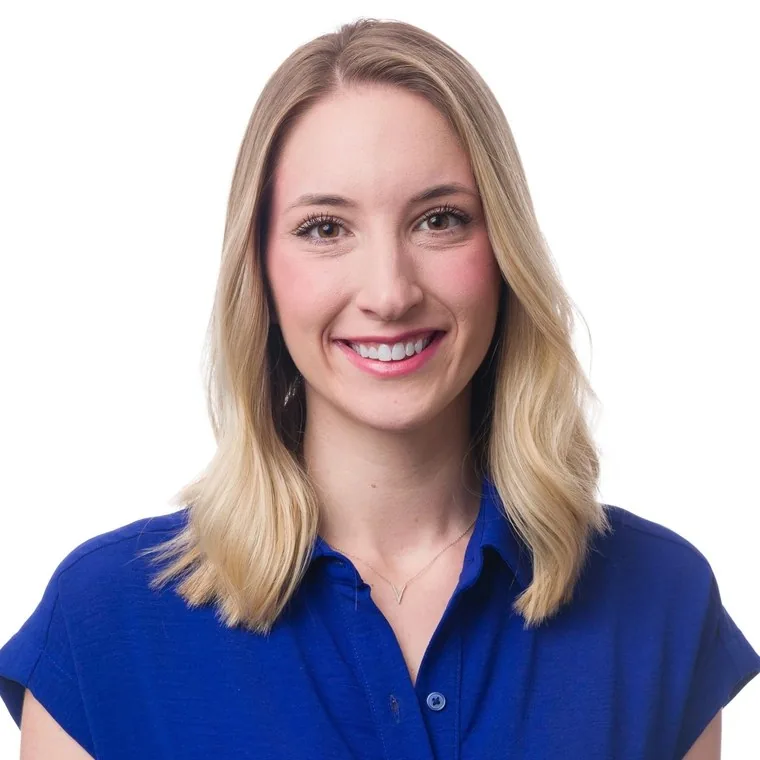
Allie Appenzeller, PsyD
A specialist in the fear and anxiety that drive and sustain eating disorders, and in helping both patients and their families face it head-on. Maudsley-trained in FBT and deeply trained in ERP and SPACE, she targets the food, weight, and body fears that keep an eating disorder locked in place, while coaching parents to hold steady through the exposures recovery demands. Founding Director of the ARPA School Anxiety & School Refusal Program at Baylor College of Medicine.
Full Bio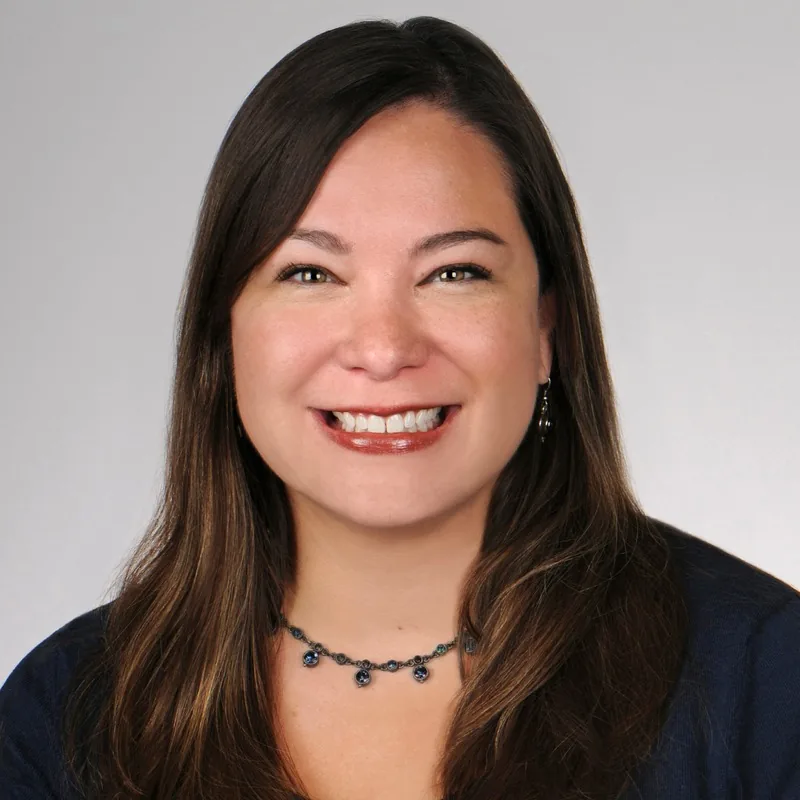
Renée D. Rienecke, PhD, FAED
Fellow of the Academy for Eating Disorders and a study therapist and supervisor on the NIMH trials that established FBT. She is one of the country's foremost authorities on Family-Based Treatment. When OCD is entangled with an adolescent's eating disorder, FBT carries much of the treatment: parent-led renourishment and meal-table structure that holds while the obsessional side is addressed. She anchors that family-based work, coordinating with our ERP specialists when standalone OCD treatment is needed.
Full Bio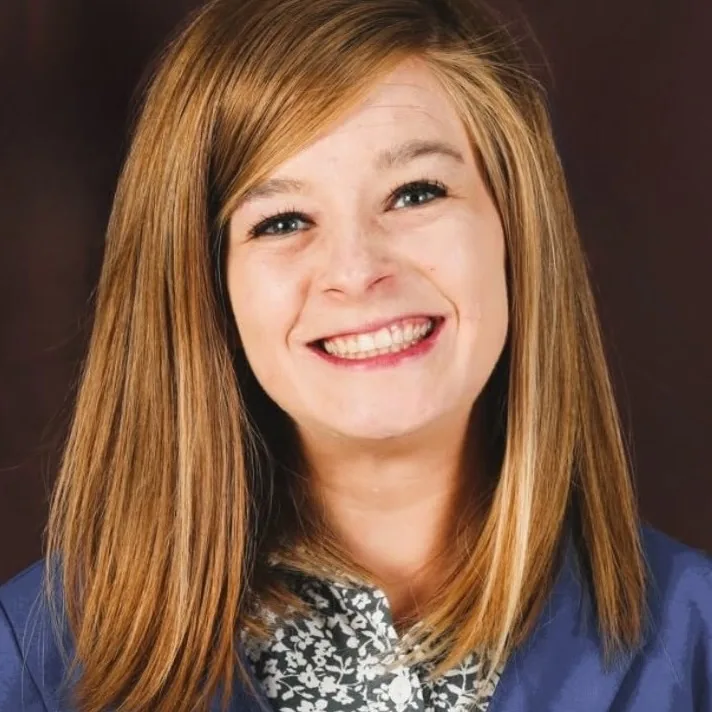
Kimberly Osborn, PhD
Specialty in co-occurring eating disorders and OCD (CBT-E, FBT, and CBT-AR alongside ERP) for children, teens, and adults whose two conditions have become entangled. Postdoctoral Fellow with the Eating and Anxiety Treatment (EAT) Lab at the University of Louisville.
Full Bio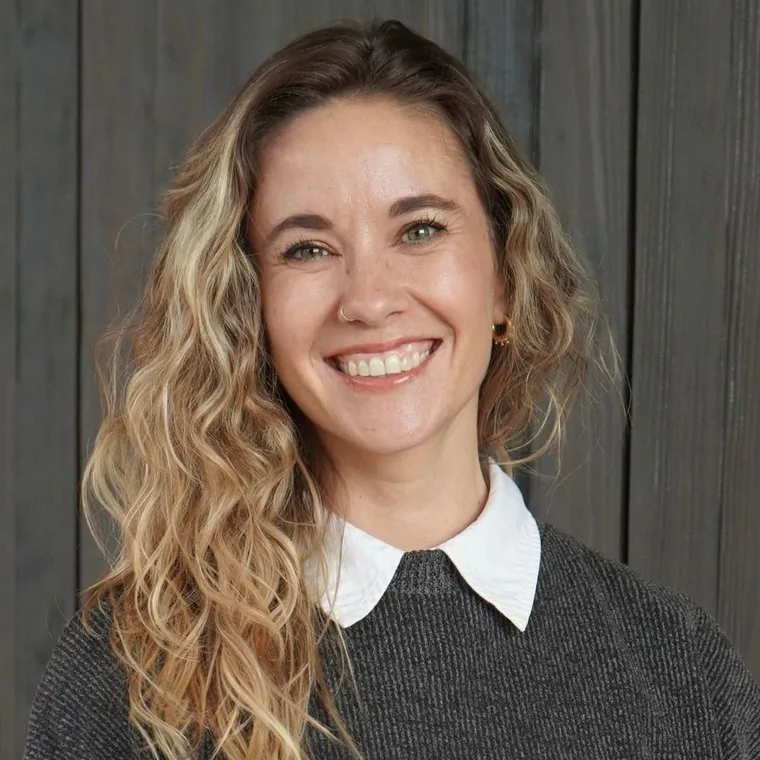
Kaitlin Hill, PhD
Former Clinical Supervisor of Rogers Behavioral Health's Eating Disorders Centers and Psychologist at the OCD Institute of Texas. She deliberately trained in both eating disorders and OCD, and treats the full range of each in the same caseload.
Full Bio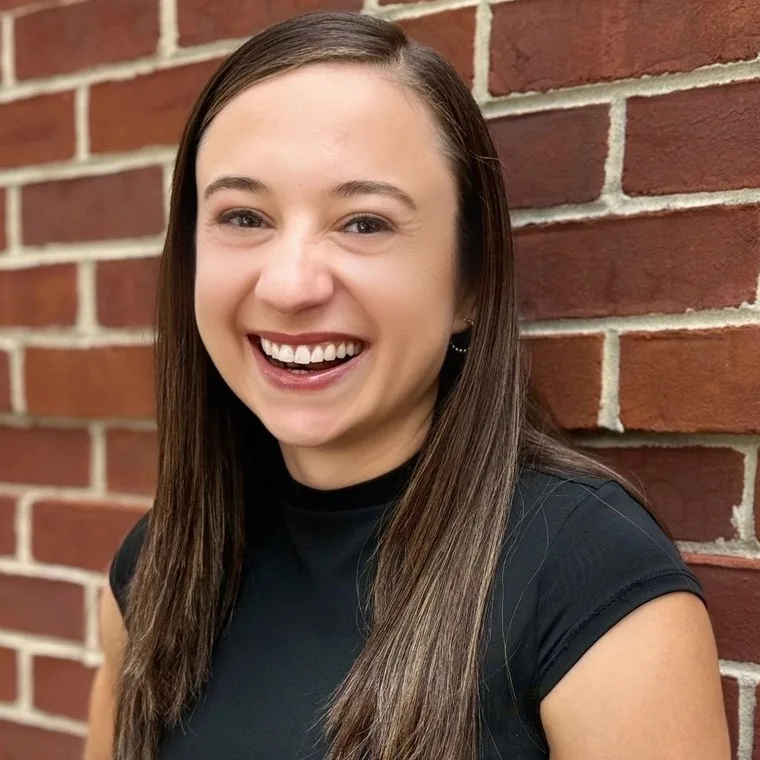
Eliza Lanzillo, PhD
An eating disorder, OCD, and anxiety expert trained at the OCD Program at Baylor College of Medicine, with particular depth in the complex, co-occurring cases where eating disorders, anxiety, and OCD-spectrum conditions converge in adolescents and young adults (FBT, CBT-E, and ERP), plus a distinct specialty in self-harm and suicidality.
Full Bio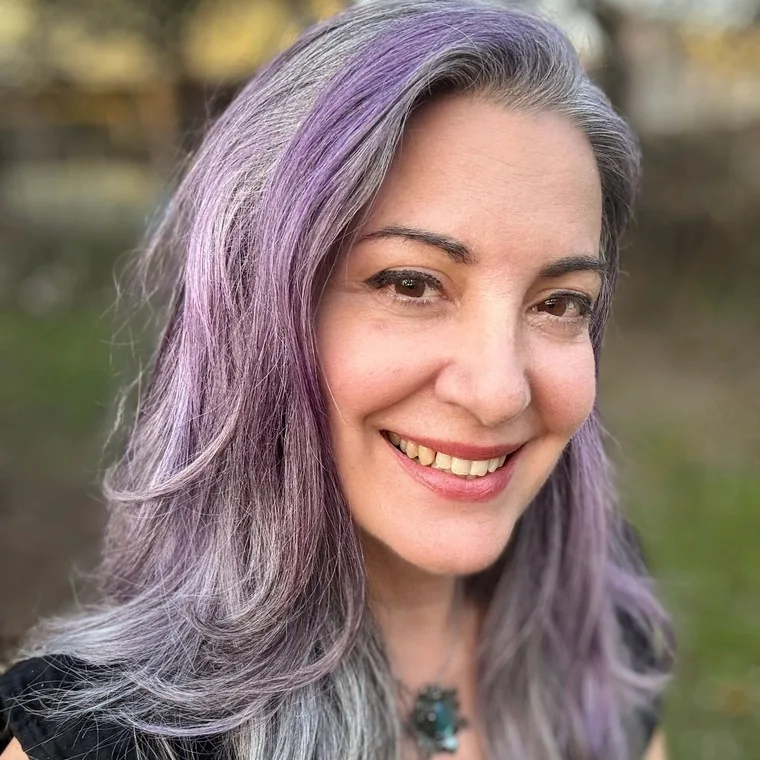
Nina Jolly
An FBT-trained caregiver peer mentor who has walked the path these families are facing. She supports parents through what Family-Based Treatment and reducing accommodation actually demand, especially the hardest stretches, when you're doing everything right and recovery isn't visible yet. Profoundly complementary to the clinical care here, she gives families the one thing treatment can't prescribe: someone who has been through it and come out the other side.
Read Nina's full bioCo-occurring treatment, answered honestly.
Selected References
- Keys A, et al. The Biology of Human Starvation. University of Minnesota Press, 1950.
- Kaye WH, Bulik CM, Thornton L, Barbarich N, Masters K. Comorbidity of anxiety disorders with anorexia and bulimia nervosa. American Journal of Psychiatry, 2004.
- Lock J, Le Grange D, et al. Randomized clinical trial comparing family-based treatment with adolescent-focused individual therapy for adolescents with anorexia nervosa. Archives of General Psychiatry, 2010.
- Foa EB, Yadin E, Lichner TK. Exposure and Response (Ritual) Prevention for Obsessive-Compulsive Disorder: Therapist Guide, 2nd ed. Oxford University Press, 2012.
Bring us the whole picture.
Schedule a screening conversation. We'll discuss both conditions, where you've been, what's been tried, and what the right next step looks like. No pressure, just a real clinical conversation.
Request a Consultation