
Bringing Evidence-Based Mental Health Education
Into Your School, Practice, and Community.
The Evidence-Based Treatment Institute offers engaging, accessible, and clinically grounded presentations for schools, pediatric practices, parent groups, country clubs, community organizations, and anyone working to better understand and support mental health in children, adolescents, and families.
Our speakers are not motivational generalists. They are the same clinical experts, led by Drs. Zach and Allie Appenzeller, who treat these conditions every day. What they bring to the stage is the same precision, clarity, and evidence-based grounding they bring to the therapy room.
Booking starts with a short email to hello@EBTInstitute.com. Mention your organization, audience, and preferred date. Prefer a form? Use our consultation form and note that yours is a speaking inquiry.
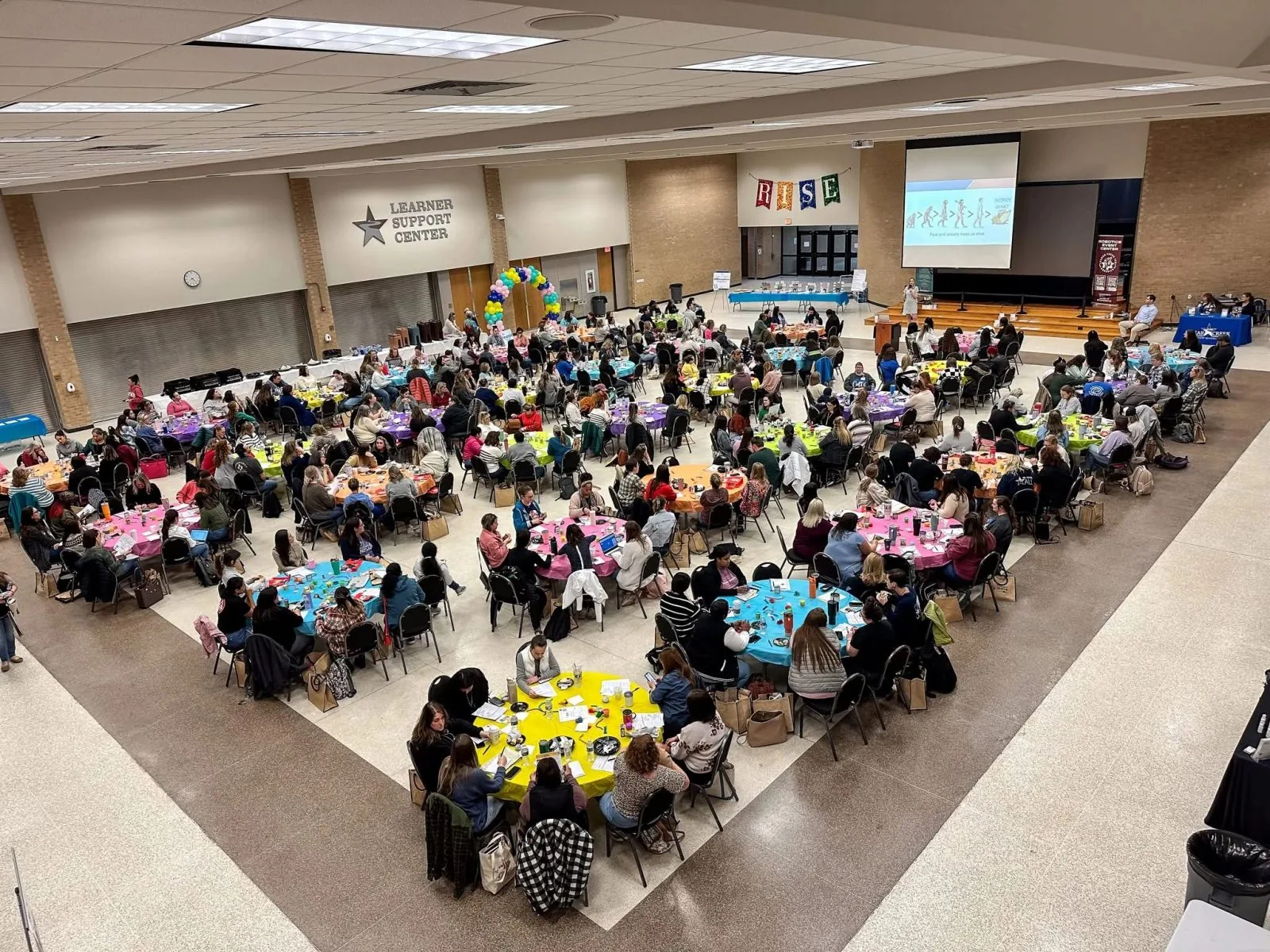
The Gap Between What Families Know and What the Research Says Is Large, and Closeable.
Most parents don't know what OCD actually looks like. Most school counselors have never received training on how to identify an eating disorder in its early stages. Most pediatricians don't know the difference between postpartum depression and postpartum OCD. And most children with anxiety are accommodated at home in ways that make the anxiety worse, because nobody told their parents what accommodation actually does.
This is not a failure of caring. It is a failure of access. The evidence on these conditions is clear, and it is largely sitting in academic journals and specialist clinics, not in the places where families and educators are actually making decisions every day.
When a parent learns what family accommodation is and why it makes anxiety worse, they can start to change it. When a school counselor learns the early warning signs of a restrictive eating disorder, they refer earlier. When a pediatrician understands postpartum OCD, they miss it far less often. These conversations matter, not as therapy, but as education that reaches people at the moment it counts.
Tailored for Your Audience, Not a Generic Slide Deck.
Every presentation is adapted for the specific audience receiving it. A talk for parents of elementary school children looks different from a workshop for high school counselors, and both look different from a lunch-and-learn for a pediatric practice. We do not deliver the same presentation everywhere. We deliver the right presentation, for the right room.
Schools: Administrators, Counselors & Teachers
K–12 · Independent & Public Schools · In Person & VirtualSchool counselors and teachers are often the first to notice that something is wrong, but they receive almost no training on what early-stage eating disorders, OCD, or anxiety actually look like in an academic setting, or what to do when they see it. We change that.
We offer professional development presentations for faculty and staff, training for school counseling teams, and student-facing talks adapted for middle and high school audiences. These are practical, immediately applicable sessions designed for people who are already stretched thin and need clarity, not theory.
Parent Groups, PTAs & Family Organizations
Parent education nights · PTA meetings · Private school parent associationsParents are often the most powerful variable in a child's mental health, but they are rarely given the evidence-based information they need to use that influence well. Most parent education on mental health is generic, anxiety-inducing, and light on practical guidance. Ours is not.
We offer parent education talks that are honest, specific, immediately applicable, and delivered with genuine warmth. Our goal is not to alarm parents; it is to equip them. Parents leave our presentations with a clearer understanding of what they are looking at, what the evidence says works, and what to do next.
Pediatric Practices & Medical Providers
Pediatricians · Family medicine · OB/GYNs · MidwivesPrimary care providers are often the first clinical contact for a child or adolescent struggling with a mental health condition, and the moment of that contact is one of the highest-leverage points in the entire care pathway. A pediatrician who can recognize an early eating disorder, refer appropriately, and communicate clearly with the family changes the clinical trajectory. One who cannot adds months or years to the delay between onset and treatment.
We offer lunch-and-learn presentations and more extended clinical education sessions for pediatric practices on the recognition, early response, and appropriate referral of eating disorders, OCD, anxiety, and perinatal mental health conditions. Practical, evidence-based, and specific to what primary care providers are actually encountering in their offices.
Country Clubs, Community Organizations & Wellness Groups
Member events · Wellness programming · Community foundations · Nonprofit organizationsMental health education belongs everywhere, not just in clinical settings. Some of the most important conversations about eating disorders, anxiety, and perinatal mental health happen in exactly the kinds of community settings where we are happy to speak: member dinner talks, wellness series events, and community foundation panels across South Florida, Houston, Austin, Chicago, and Denver, plus virtual speaking events for organizations nationwide.
For community and wellness audiences, we offer engaging, accessible presentations that meet people where they are: without clinical jargon, with genuine warmth, and with the kind of practical takeaways that actually change how people think about and respond to mental health in their families and communities.
Our Community Education Topics.
Every topic below can be delivered as a 30-minute keynote, a 60-minute interactive presentation, or a 90-minute workshop with Q&A. Format is adapted based on your audience size, setting, and goals. Custom topics are available; contact us to discuss.
Understanding OCD in Children and Adolescents
What OCD actually is, how it differs from everyday worry or perfectionism, what it looks like at home and at school, and what treatment actually works, and what doesn't. Includes the critical distinction between supporting a child with OCD and accommodating it.
Family Accommodation: The Loving Thing That Makes Anxiety Worse
The single most important piece of information most parents of anxious children have never received. What accommodation is, why it feels right in the moment, why the research is unambiguous about its effects, and what to do instead, with practical, specific guidance parents can apply immediately.
Eating Disorders: Early Recognition and the Right Response
What eating disorders look like before they look obvious: the early behavioral and physical signs most non-specialists miss. Includes ARFID, OCD-driven restriction, and the presentations that hide behind "clean eating" and athletic performance. What to say, how to refer, and what not to do.
School Refusal and Separation Anxiety: What's Actually Going On
Why school refusal is almost always driven by anxiety, not defiance, and why punitive responses make it worse. What the evidence says works. How schools and families can coordinate effectively. Practical guidance for counselors, teachers, and administrators navigating attendance crises.
Parenting the Anxious or Perfectionistic Child
Evidence-based guidance for parents on how to respond to anxiety in ways that build resilience rather than reinforcing avoidance, and how to manage their own anxiety about their child's distress. Specific, practical, and grounded in the same approaches we use clinically.
Postpartum Mental Health: Beyond the Baby Blues
The full landscape of postpartum mental health (PPD, postpartum OCD, postpartum anxiety, postpartum rage, and birth trauma), with emphasis on the presentations most commonly missed. What primary care providers and families need to know about identification, conversation, and referral.
What Evidence-Based Therapy Is, and What to Look for in a Provider
A practical guide to navigating the therapy landscape for families who know their child needs help but don't know how to find the right kind. What CBT actually means, what ERP is and why it matters for OCD, what FBT is and why it's the standard for adolescent eating disorders, and how to evaluate whether a provider is actually using the approach they describe.
The Truth About Dieting Culture and Eating Disorders
An evidence-based look at the relationship between diet culture, weight stigma, and eating disorder risk, and what families and communities can do to create environments that support healthy relationships with food and body. Particularly powerful for parent and community audiences in any local context.
Emotionally Overcontrolled Youth: What Educators Need to Know
The overlooked presentation: the child who is rigidly controlled, perfectionistic, externally composed, and internally suffering. What overcontrol looks like in classrooms and at home, why it's often missed or mistaken for competence, and what actually helps.
Clinicians Who Know This Material From the Inside Out.
Our speakers are not professional presenters who happen to know something about mental health. They are practicing specialist clinicians who teach, supervise, and present from the same clinical knowledge base they apply every day in the therapy room. The result is a kind of clarity and specificity you rarely encounter in community mental health talks.

Zach Appenzeller, PsyD
Clinical Assistant Professor in Baylor College of Medicine’s OCD Program and founding director of the UTHealth Houston Center for Eating Disorders. A recipient of McGovern Medical School’s Dean’s Teaching Excellence Award, he has taught clinicians, physicians, and community audiences across medicine, psychology, and social work nationally.
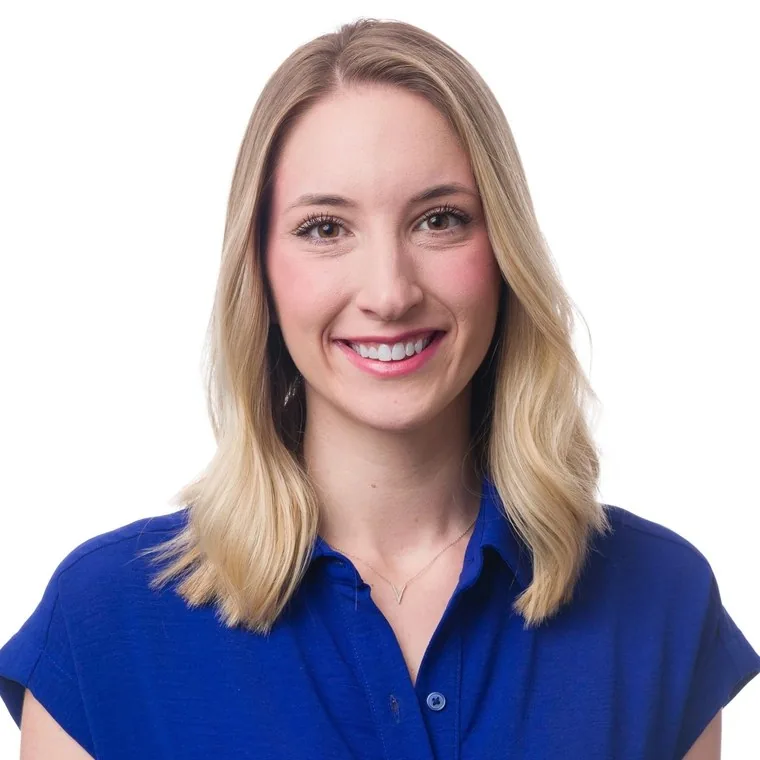
Allie Appenzeller, PsyD
Clinical Assistant Professor in Baylor College of Medicine’s OCD Program and founding director of its ARPA School Anxiety & School Refusal Program, where she earned an award for outstanding contribution to intern training. She speaks widely to schools and parent groups on anxiety, school refusal, and family accommodation.
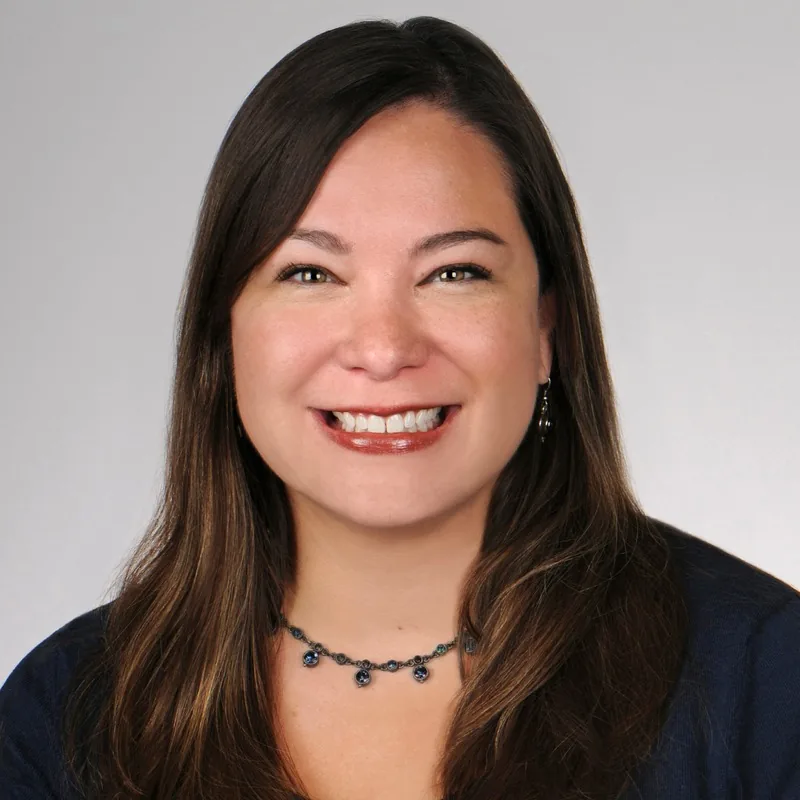
Renée D. Rienecke, PhD, FAED
Fellow of the Academy for Eating Disorders and Director of Research at Eating Recovery Center/Pathlight, with more than 115 peer-reviewed publications and more than seventy invited lectures and workshops on eating disorders and the role families play in recovery.
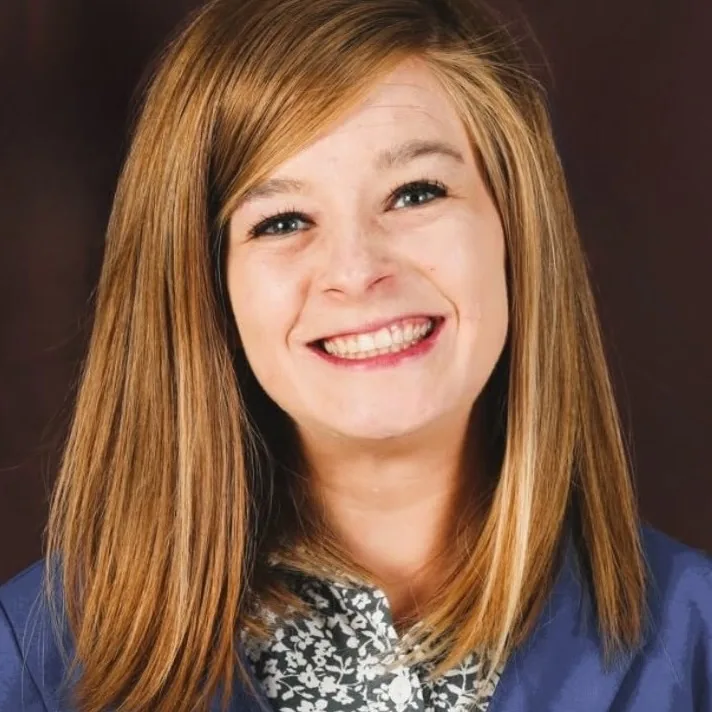
Kimberly Osborn, PhD
Clinician-scientist and postdoctoral fellow in the Eating and Anxiety Treatment (EAT) Lab at the University of Louisville, trained at the Duke Center for Eating Disorders and the Laureate Eating Disorders Program. She has presented on eating disorders to community organizations and delivered trauma-informed training to first responders.
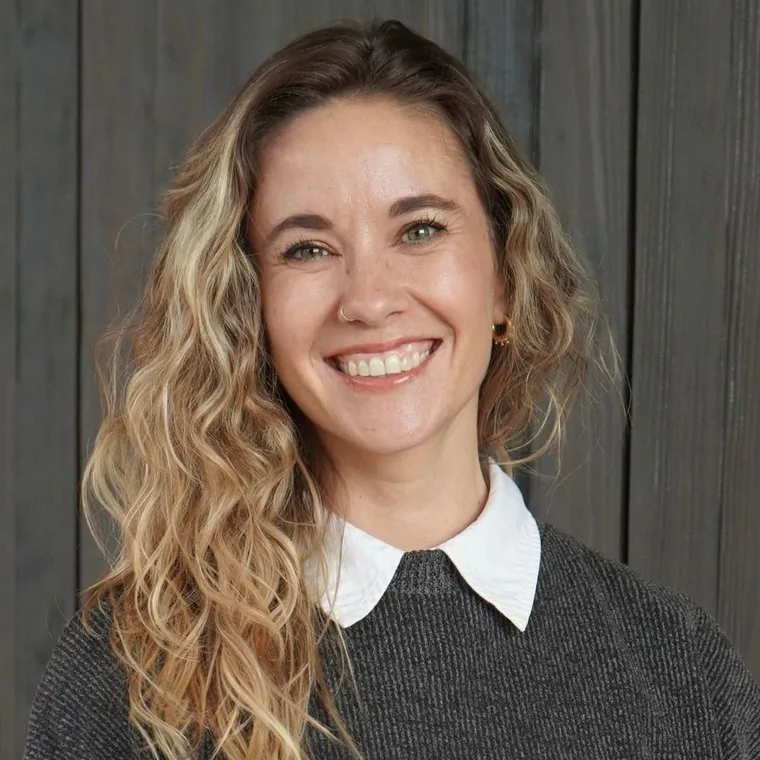
Kaitlin Hill, PhD
Former Clinical Supervisor at Rogers Behavioral Health’s Adult Inpatient & Residential Eating Disorders Centers, where she helped build the manualized protocol used across every level of care, and a clinician at the OCD Institute of Texas. She has taught nationally on exposure therapy for eating disorders.
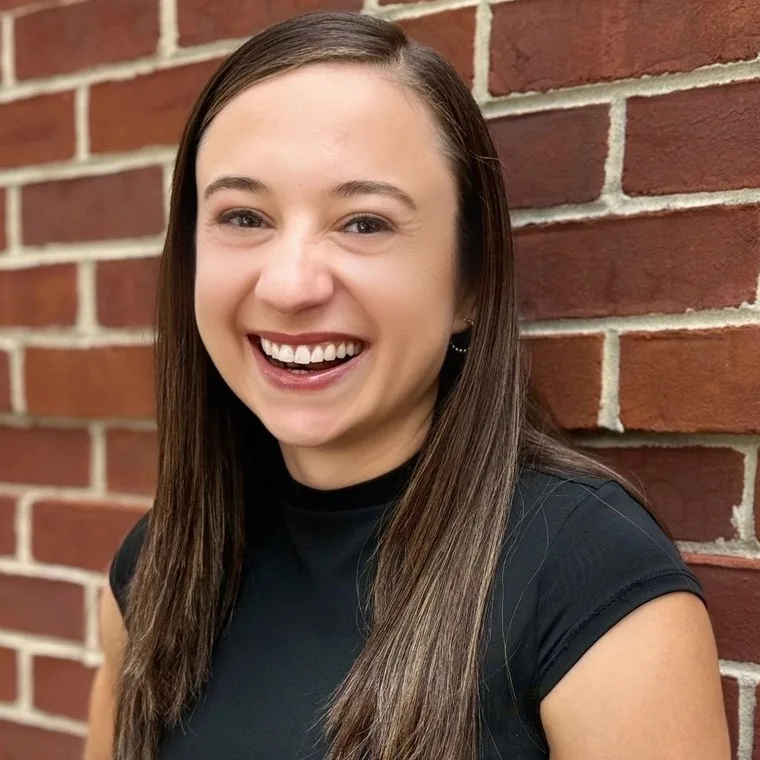
Eliza Lanzillo, PhD
Trained in the OCD Program at Baylor College of Medicine, with a distinct specialty in self-harm and suicidality. A former suicide-prevention researcher in the intramural program of the National Institute of Mental Health, she contributed to the Ask Suicide-Screening Questions toolkit now used in medical settings nationwide.
What Nina's Perspective Makes Possible in Parent and Community Talks.
Clinical expertise communicates knowledge. Lived experience communicates truth. The most powerful community talks on eating disorder recovery do both, and Nina's presence in selected presentations makes that possible.
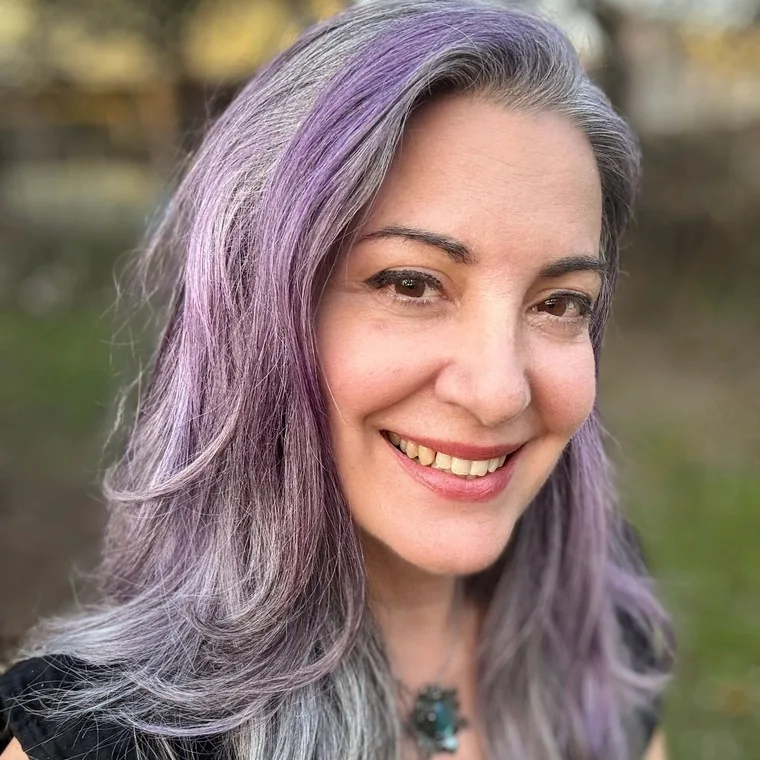
The Parent Who Has Been Where You Are
Why Nina's Voice MattersWhen a parent in a school auditorium or a country club dining room hears a clinician describe what an eating disorder looks like in an adolescent, they learn something important. When they hear another parent describe what it felt like to discover it, what the first weeks of treatment demanded, how the dinner table became a battleground, and what got their family through, they recognize something. They lean forward. They ask different questions.
Nina speaks from that recognition, not to provoke fear, but to open the door that shame and silence have closed for many families. Her presence alongside clinical expertise makes our parent-facing talks something most communities never experience: a room where the evidence and the human experience of mental health are offered together, without competition, with mutual respect.
Nina is available to co-present with Zach, Allie, or Eliza for parent-focused events, community talks, and select school presentations. Contact us to discuss whether her involvement would be right for your event.
From Inquiry to Presentation: Here's How It Works.
A Conversation First
Every booking starts with a brief conversation to understand your audience, your goals, your setting, and any specific topics or concerns you want addressed. We don't show up with a fixed deck. We show up with a presentation built for your room.
Content Tailored to Your Audience
A parent education night, a faculty professional development session, and a pediatric lunch-and-learn are three different audiences with three different needs. We adapt the content, vocabulary, depth, and tone accordingly. Every time.
Engaging, Not Lecturing
Our presentations are interactive. We use case vignettes, Q&A, and real-world examples drawn from clinical practice. We do not read slides. Audiences leave with something they can actually use, not notes they'll never open again.
Clinically Accurate, Jargon-Free
Every claim we make in a community presentation is evidence-based. And every evidence-based claim is delivered in language that doesn't require a clinical background to understand. Both things matter. We hold both.
Flexible Format
30-minute keynotes. 60-minute presentations with Q&A. 90-minute workshops. Morning sessions, evening parent nights, lunch-and-learns. In-person in our five cities. Virtual for organizations outside our area. We work with your logistics.
Resources for Your Audience
Every presentation includes curated takeaway resources: book recommendations, referral guidance, screening tools where appropriate, and clear next steps for audience members who recognize themselves or their children in what they've heard.
We Come to You. In Person and Online.
We speak, and have spoken, at community venues across South Florida (Boca Raton, Palm Beach, and Broward), Houston, Austin, Denver, and now Chicago. We also speak virtually for organizations anywhere in the country.
K–12 Schools
Public, private, charter, and independent schools across South Florida, Houston, Austin, and Denver
Country Clubs
Member events, dinner talks, and wellness series in private club communities across our in-person cities
Medical Practices
Pediatric offices, OB/GYN practices, and primary care groups seeking clinical education
Community Organizations
Nonprofits, foundations, faith communities, and community groups
Parent Associations
PTAs, parent councils, and parent education programs at independent and public schools
Virtual Events
Webinars, virtual parent nights, and online speaking and training events for organizations nationwide
Frequently Asked Questions: Community Education & Speaking.
We recommend reaching out at least four to six weeks in advance of your preferred date to ensure availability and allow time for us to tailor the presentation to your audience. For larger events or specific requests, more lead time is better. That said, we do our best to accommodate requests on shorter timelines. Contact us and we'll tell you honestly what's possible.
Our fee structure varies based on the type of organization, the format and length of the presentation, and the distance involved. We offer reduced or waived fees for select nonprofit organizations and school settings. Please contact us to discuss your situation. We believe this work matters and we try to make it as accessible as we can while respecting the time and expertise of our team.
Yes, within the scope of our clinical expertise. If you have a specific topic in mind that relates to anxiety, OCD, eating disorders, perinatal mental health, or behavioral patterns in children and adolescents, contact us to discuss. If it falls within our expertise and we can develop it responsibly, we will. If it falls outside what we can speak to with genuine authority, we will tell you that directly and help you identify a better resource.
Yes, via virtual format for any organization anywhere in the country, and in person for events in our five cities and select national travel. Contact us with your location and event details and we'll discuss what's feasible.
Q&A is one of the most valuable parts of any community presentation and we actively encourage it. We handle sensitive questions (about a family member's eating disorder, a child's intrusive thoughts, a personal struggle with postpartum mental health) with the same directness, warmth, and clinical precision we bring to clinical work. We do not deflect. We do not pathologize. And we do not make people feel judged for what they are dealing with or what they don't know.
Evidence-Based Mental Health Education. In Your School, Your Practice, Your Community.
The gap between what families know and what the research says doesn't have to stay as wide as it is. Let's close it, starting with your audience.
Contact us to discuss dates, topics, and format. We'll make it simple.
Book a Speaker