
OCD Is Highly Treatable.
With the Treatment Most People Never Actually Get.
Specialized Exposure and Response Prevention (ERP) for OCD: all subtypes, all ages. The gold-standard treatment, delivered with fidelity by clinicians trained at the country's leading OCD programs. In person in Boca Raton, Houston, and Denver; by telehealth, including virtual intensives, in Chicago, Austin, and 40+ PSYPACT states.
OCD Is More Than Being Tidy. You Already Know That.
It hides in private rituals, mental loops, and the exhausting work of trying to feel certain. If several of these resonate for you or your child, you're in the right place, and what you're describing is highly treatable.
If you saw yourself above, that recognition is the first step. The next one is a conversation.
Request a ConsultationMost People With OCD Have Never Received the Treatment That Actually Works.
Exposure and Response Prevention (ERP) is the most evidence-supported treatment for OCD in existence. Decades of research, across thousands of patients, in every age group, establish ERP as the intervention that produces the most meaningful and durable symptom reduction. It is not one option among many. It is the treatment.
And yet the majority of people with OCD who seek therapy have never received it. They've received supportive counseling, general CBT, mindfulness training, or other well-meaning approaches that, in the case of OCD, can actually make things worse. Talking through obsessions without the behavioral component reinforces the OCD cycle rather than breaking it. Reassurance-seeking, even in the therapy room, is a compulsion.
At the Evidence-Based Treatment Institute, ERP is not something our clinicians are "familiar with." It is a core clinical specialty. Our team is trained to deliver it exactly as the research protocols specify, has treated hundreds of OCD cases across the full severity spectrum, and understands that doing ERP halfway is not ERP; it is an expensive way to reinforce avoidance.
This work is led by Zach Appenzeller, PsyD (Clinical Assistant Professor at Baylor College of Medicine's OCD Program) and Allie Appenzeller, PsyD (Clinical Assistant Professor of BCM's OCD Program and Founding Director of BCM's ARPA School Anxiety & School Refusal Program).
ERP Works, and the Evidence Is Overwhelming.
OCD can feel permanent and unbeatable from the inside. The research tells a very different story. Across decades of randomized controlled trials, exposure and response prevention is one of the most effective treatments in all of mental health, for a condition most people are told they'll simply have to live with.
Figures reflect findings from the published clinical research literature on ERP for OCD (meta-analyses and large naturalistic samples), not internal outcome data from the Evidence-Based Treatment Institute. Individual results vary. We share these to convey what well-delivered ERP makes possible, not to promise a specific outcome.
- Foa EB, Liebowitz MR, Kozak MJ, et al. (2005). Randomized, placebo-controlled trial of exposure and ritual prevention, clomipramine, and their combination in the treatment of obsessive-compulsive disorder. American Journal of Psychiatry, 162(1), 151–161. View study
- Rosa-Alcázar AI, Sánchez-Meca J, Gómez-Conesa A, Marín-Martínez F (2008). Psychological treatment of obsessive-compulsive disorder: A meta-analysis. Clinical Psychology Review, 28(8), 1310–1325. View study
- Öst LG, Havnen A, Hansen B, Kvale G (2015). Cognitive behavioral treatments of obsessive-compulsive disorder: A systematic review and meta-analysis of studies published 1993–2014. Clinical Psychology Review, 40, 156–169. View study
- Simpson HB, Liebowitz MR, Foa EB, et al. (2004). Post-treatment effects of exposure therapy and clomipramine in obsessive-compulsive disorder. Depression and Anxiety, 19(4), 225–233. View study
- Pato MT, Zohar-Kadouch R, Zohar J, Murphy DL (1988). Return of symptoms after discontinuation of clomipramine in patients with obsessive-compulsive disorder. American Journal of Psychiatry, 145(12), 1521–1525. View study
Every Subtype of OCD, No Matter How It Shows Up.
ERP works across all presentations. We treat the full range, including the taboo themes most sufferers are too ashamed to say out loud, and most therapists never name. If you recognize yours below, know this: the content of OCD varies endlessly, but the mechanism is the same, and ERP treats the mechanism.
Contamination & Washing
Fears of germs, illness, chemicals, or bodily fluids. Washing, cleaning, sanitizing, or avoidance that takes over daily life.
Emotional & Mental Contamination
Feeling contaminated by people, places, memories, or words, without any physical contact. Less known, highly treatable.
Checking & Responsibility
Locks, stoves, appliances, emails, and hit-and-run fears while driving. Driven by inflated responsibility for preventing catastrophe.
"Just Right," Symmetry & Counting
Ordering, arranging, counting, repeating, and re-doing until it feels complete: the subtype most often dismissed as "quirky."
Harm OCD
Intrusive thoughts of harming yourself or others: violent images that horrify you precisely because they clash with who you are. Ego-dystonic, never wanted, highly treatable.
Pedophilia-Themed OCD (POCD)
Unwanted intrusive thoughts involving children. Among the most shame-inducing and misunderstood themes, and the distress itself is the signature of OCD, not desire. We treat it directly and without judgment.
Sexual Orientation & Gender-Themed OCD
Obsessive doubt about your orientation or gender identity that contradicts your lived experience; checking, testing, and reassurance-seeking included.
Relationship OCD (ROCD)
Relentless doubt about whether you love your partner, whether they're "the one," or whether something is secretly wrong, all in relationships that are otherwise good.
Scrupulosity: Religious & Moral OCD
Obsessive fear of sin, blasphemy, or being a bad person, with confession, prayer rituals, and moral reviewing. We work respectfully within your faith, often alongside clergy.
"Pure O": Primarily Mental Compulsions
Few visible rituals, but constant mental reviewing, checking, neutralizing, and reassurance-seeking. Frequently misdiagnosed as anxiety or overthinking.
Postpartum & Perinatal OCD
Intrusive harm thoughts about your baby during pregnancy or after birth: terrifying, common, and very different from psychosis. New parents deserve clinicians who know that difference.
Health & Illness OCD
Obsessive fear of having or developing a serious illness, with body-checking, symptom-googling, and reassurance-seeking that never settles the question.
Sensorimotor & Somatic OCD
Hyperawareness of breathing, blinking, swallowing, or heartbeat, and the fear you'll never stop noticing.
Existential OCD
Obsessive loops about reality, consciousness, free will, or the meaning of existence: unanswerable questions your brain insists must be answered.
Real-Event & False-Memory OCD
Endless reviewing of something you did, or fear you might have done, with escalating doubt about your own memory and character.
Magical Thinking & Superstitious OCD
Fear that thoughts, numbers, words, or rituals can cause or prevent catastrophe; knowing it's irrational doesn't make it stop.
Suicidal-Themed OCD
Intrusive fears of losing control and harming yourself, without any wish to die. One of the most frightening and least-discussed themes, and it responds to ERP like every other.
OCD with Co-Occurring Conditions
OCD entangled with eating disorders, anxiety, depression, or tics, treated as one integrated picture. This overlap is a core specialty of our practice.
The overlap between OCD and eating disorders is one of the most clinically significant, and most consistently undertreated, patterns in the field. The Evidence-Based Treatment Institute is one of the few practices nationally with the combined expertise in OCD and eating disorders to accurately assess and treat this co-occurring presentation. When the two appear together they have to be treated as one picture, which is exactly what our dedicated program for co-occurring OCD and eating disorders is built for.
See your exact theme above, or one we didn't name? With OCD the content changes endlessly, but the treatment doesn't. If it works like OCD, we treat it like OCD.
Request a ConsultationA Team of OCD Specialists, Trained at the Country's Leading Programs.
Every clinician on our OCD team trained at one of the country's foremost OCD specialty programs (Baylor College of Medicine, the OCD Institute of Texas, Rogers Behavioral Health, Alexian Brothers, and the Behavior Therapy Center of Greater Washington) and delivers ERP as it was designed to be delivered.

Zach Appenzeller, PsyD
Clinical Assistant Professor at Baylor College of Medicine's OCD Program and developer of the FAM Model. Specializes in OCD, eating disorders, and the complex cases where they overlap, particularly treatment-resistant presentations.
Read Dr. Appenzeller's full bio
Allie Appenzeller, PsyD
Clinical Assistant Professor of BCM's OCD Program and Founding Director of BCM's ARPA School Anxiety & School Refusal Program. Specializes in OCD, anxiety, school refusal, and perinatal mental health, with deep expertise in ERP and SPACE.
Read Dr. Appenzeller's full bio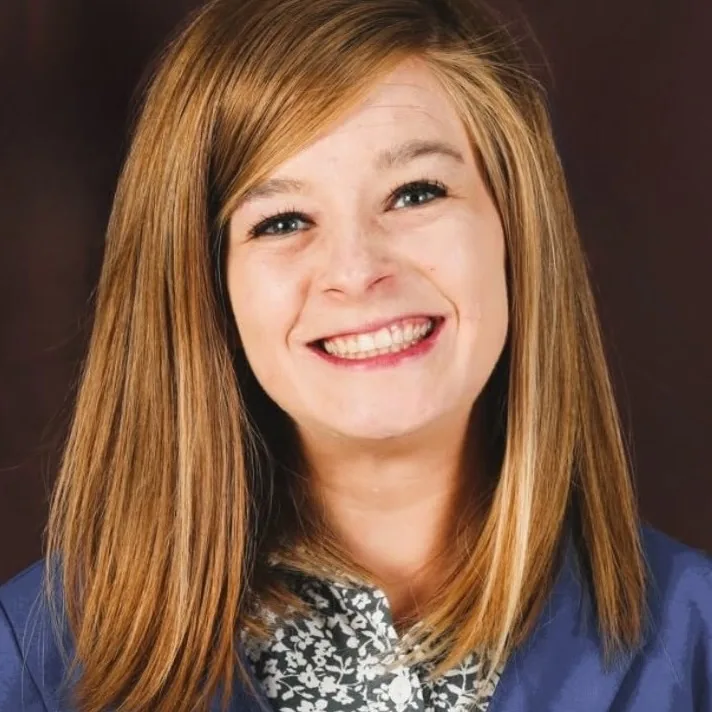
Kimberly Osborn, PhD
ERP for OCD in children, teens, and adults, with particular depth where OCD co-occurs with an eating disorder or anxiety. Postdoctoral Fellow with the Eating and Anxiety Treatment (EAT) Lab at the University of Louisville.
Read Dr. Osborn's full bio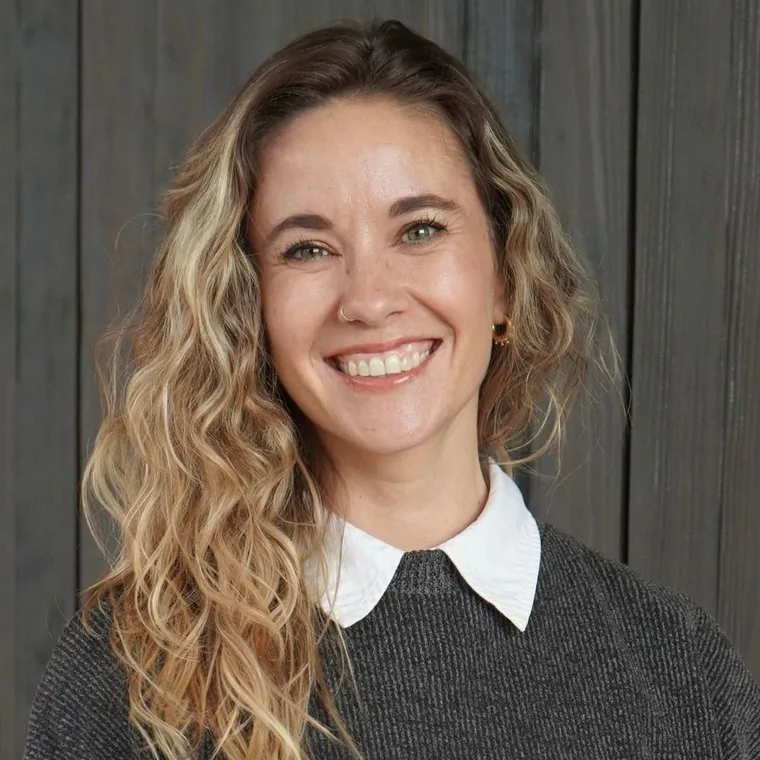
Kaitlin Hill, PhD
Trained at Rogers Behavioral Health's adult OCD residential program, through predoctoral internship and postdoctoral fellowship, then went on to clinical work at the OCD Institute of Texas. Deep across the full range of OCD presentations, including severe and residential-level cases. Specializes in ERP for OCD and anxiety.
Read Dr. Hill's full bio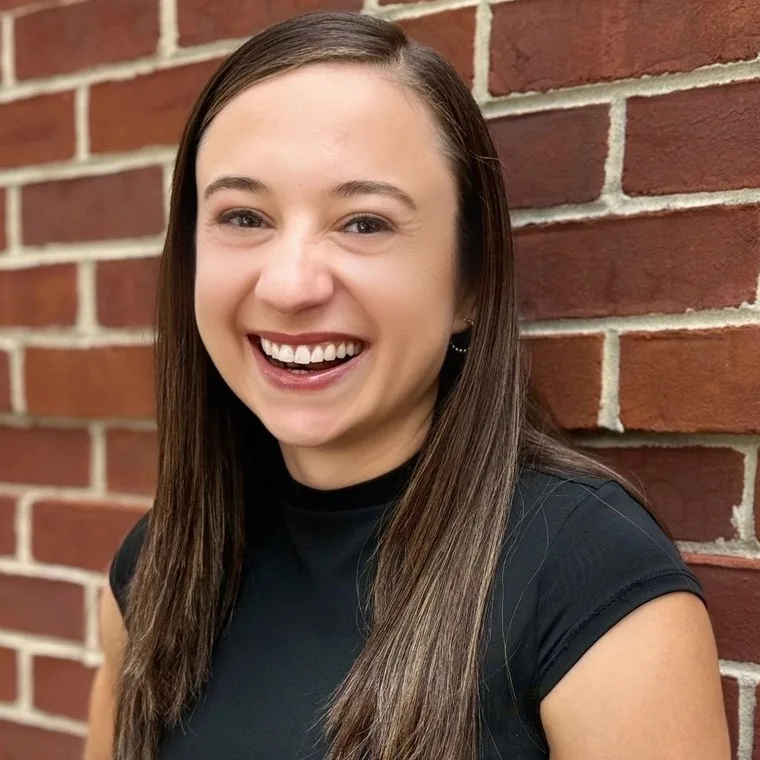
Eliza Lanzillo, PhD
Trained at the Baylor College of Medicine OCD Program, one of the foremost OCD specialty training programs in the country, building deep expertise in ERP for OCD and related conditions. Also a former NIMH suicide-prevention researcher whose work informs care for complex, co-occurring presentations.
Read Dr. Lanzillo's full bioWhat Is ERP, and What Does Treatment Actually Look Like?
ERP works by targeting the two-part cycle that maintains OCD: the obsession (the intrusive thought, image, sensation, or urge that generates distress) and the compulsion (the behavior, visible or purely mental, performed to reduce that distress temporarily).
The problem with compulsions is that they work in the short term. They reduce anxiety. But in doing so, they teach the brain that the obsession was genuinely dangerous, that the compulsion was necessary, and that relief required the ritual. Each repetition tightens the cycle.
ERP interrupts this by doing two things simultaneously: deliberately exposing the patient to the thoughts, situations, or stimuli that trigger obsessions, and deliberately refraining from the compulsive response. Done correctly and consistently, this teaches the brain that the feared outcome does not occur, that you can tolerate the anxiety and the uncertainty without the compulsion, and that the ritual was never necessary to begin with.
What ERP is not:
What the treatment process looks like at the Evidence-Based Treatment Institute:
Assessment & Formulation
We begin with a thorough understanding of your OCD: the specific obsessional themes, the overt and covert compulsions, the avoidance patterns, and the degree of functional impairment. Treatment does not begin until we have a clear clinical picture.
Psychoeducation
Before any exposures begin, we ensure you fully understand the OCD cycle, why compulsions maintain the disorder, and exactly what ERP will ask of you. Informed patients do better. We don't start until you're ready.
Exposure Hierarchy
Together, we build a personalized, ranked list of exposures and work through them systematically. Nothing is sprung on you. You know what's coming, why, and what it's designed to accomplish.
Active Exposure & Response Prevention
This is the active work: both halves of ERP, together. In exposure, you deliberately approach the thoughts, images, situations, and sensations OCD has taught you to fear, instead of avoiding them. In response prevention, you hold back the compulsion that follows, not just the visible rituals, but the mental ones: checking, reassurance-seeking, and the exhausting effort to resolve the doubt and finally feel certain about what you fear. Learning to let that uncertainty stand, rather than neutralize it, is where recovery is genuinely won. We coach you through both, in session and between.
Generalization & Relapse Prevention
As treatment progresses, we extend gains across new contexts, equip you with the skills to manage future flares independently, and develop a relapse prevention plan grounded in your specific OCD pattern.
SPACE: Treating Your Child's OCD by Working With You, the Parents.
One of the hardest situations a family can face: a child clearly suffering from OCD who refuses treatment, denies the problem, or melts down at the suggestion of therapy. Most practices have one answer: wait until they're ready. We have another.
SPACE (Supportive Parenting for Anxious Childhood Emotions) is a parent-based treatment developed at the Yale Child Study Center for childhood anxiety and OCD. It works entirely through you. The mechanism is family accommodation, all the ways loving families get pulled into the disorder: answering the same reassurance question for the fortieth time, participating in washing or checking rituals, avoiding trigger words, cooking the "safe" meal, speaking for your child. Accommodation is natural, loving, and one of the most powerful factors maintaining pediatric OCD. Research consistently links higher accommodation to more severe symptoms and poorer treatment response.
In SPACE, we systematically map your family's accommodations and reduce them, not harshly but deliberately, while teaching you supportive responses that communicate two things at once: I see how hard this is, and I know you can handle it. In the landmark randomized trial for childhood anxiety, parent-only SPACE was as effective as gold-standard exposure-based CBT delivered directly to the child, and reduced family accommodation even more. For OCD, we use SPACE on its own when a child won't engage, or alongside ERP to make the child's treatment dramatically more effective by taking the family out of the disorder's service.
Your child does not have to be willing for treatment to begin. That single fact changes everything for the families who need it, and very few OCD specialty practices offer this work with real training behind it. We do.
If your child isn't ready but you are, that's enough to begin.
Request a ConsultationIntensive Options, Same Specialist Team.
In-Home Intensives
We come to you. Concentrated ERP in your own home, where rituals and avoidance run strongest. South Florida, Houston, Denver, and Chicago.
Learn MoreIn-Vivo Intensives
Exposure where OCD actually lives: the store, the workplace, the contamination hot spots. We do the work in the field, not in a therapy room.
Learn MoreVirtual Intensives
The same high-dose ERP over secure telehealth, at each clinician's standard session rate, anywhere we're licensed across 40+ PSYPACT states.
Learn MoreThis is the treatment OCD actually responds to. Reach out and a clinician, not a scheduler, gets back to you within one business day.
Request a ConsultationQuestions People Ask Us First.
Selected References
- Foa EB, Yadin E, Lichner TK. Exposure and Response (Ritual) Prevention for Obsessive-Compulsive Disorder: Therapist Guide, 2nd ed. Oxford University Press, 2012.
- Obsessive Compulsive Cognitions Working Group. Psychometric validation of the Obsessive Belief Questionnaire and Interpretation of Intrusions Inventory — Part 2. Behaviour Research and Therapy, 2005.
- Lebowitz ER, et al. Parent-based treatment as efficacious as cognitive-behavioral therapy for childhood anxiety: a randomized noninferiority study of Supportive Parenting for Anxious Childhood Emotions. Journal of the American Academy of Child & Adolescent Psychiatry, 2020.
The Right Treatment for OCD Exists. It's Here, and You Can Start This Week.
Most of the people who contact us have already been in therapy. They've tried approaches that helped a little, or not at all. They're not here because therapy failed; they're here because they haven't yet received the specific, evidence-based treatment that OCD and anxiety actually respond to.
That treatment exists. We deliver it with clinical rigor, genuine expertise, and genuine care. And a clinician, not a scheduler, will answer your inquiry within one business day.
You don't have to keep organizing your life around what OCD or anxiety will allow. There's a clear path through it, and it starts with a single conversation.
Request a Consultation