
When Your Child Won't Eat,
We Bring Intensive, Expert Support Into Your Home.
The Evidence-Based Treatment Institute offers specialized eating disorder intensives for adolescents and adults with anorexia, bulimia, ARFID, and OCD-driven restriction, delivered in your home and in the real-world places eating disorders take hold across South Florida, Houston, Denver, and Chicago, with a structured virtual intensive option, billed at each clinician's standard session rate, for families in Austin and across 40+ states.
Recovery has to happen where the eating disorder actually lives, so our intensives go there. We deliver concentrated treatment in your own home, where meals and mealtime battles happen, and longer, real-world sessions out in the community, what clinicians call in-vivo work: the grocery store, the restaurant, the family dinner table. The places an eating disorder takes hold are exactly where we do the work.
Built First for Anorexia and Bulimia.
At its core, this intensive treats anorexia and bulimia: the restriction, the bingeing and purging, the fear of weight gain, and the medical and nutritional realities of renourishment. Everything else is built around getting nutrition restored and eating-disorder behaviors interrupted, because nothing else in treatment can take hold until that work is underway.
For teens, we anchor treatment in FBT.
For adolescents, Family-Based Treatment is the anchor. FBT empowers parents to take charge of renourishment at home, with our clinician coaching them through meals, limit-setting, and the eating disorder's resistance in real time. It does not wait for the teen to be motivated; it restores the physical conditions under which recovery becomes possible in the first place. This is the foundation, and it stays the priority.
Alongside FBT, we treat the patient individually.
Renourishment alone is rarely the whole story. So alongside FBT (and, for adults, as the primary treatment itself), we engage the patient in individual work that addresses the maintaining mechanisms specific to their eating disorder: the overvaluation of shape and weight, the rules and rituals, the body checking, the cognitive patterns that keep the disorder running (the work of CBT-E). The balance is clinical and deliberate: as long as FBT is going well and nutrition is on track, we expand the individual work; if the eating disorder reasserts itself, FBT comes back to the front. The two move together, with weight and behavior change always setting the pace.
And we treat what comes with it, because that is the norm, not the exception.
Eating disorders almost never arrive alone. OCD and anxiety disorders co-occur with anorexia and bulimia at strikingly high rates: contamination fears, "just right" rituals, intrusive harm thoughts, social anxiety, and a deep intolerance of uncertainty that sits underneath the eating disorder and feeds the restriction and rigidity. Treating the eating disorder while ignoring these is how recovery stalls. So the same individual work that targets the eating disorder's mechanisms also weaves in ERP for the co-occurring OCD and anxiety. And for adolescents, we can run the FAM Model (FBT-Anchored Modular Model), an approach Dr. Zach Appenzeller developed to treat the whole person without ever loosening the anchor. FBT is non-negotiable: for adolescents, nourishment comes first and parents are empowered to deliver it. But the modules run alongside FBT, not after it: for as long as the teen has willingness to engage, CBT-E runs concurrently to work on the eating disorder directly; when OCD is part of the picture, ERP principles are woven in from the start, helping the teen sit with uncertainty at exactly the moments refeeding provokes it, while parents keep refeeding; and when severe dysregulation threatens the work, DBT or RO-DBT skills are added, not a detour from FBT but an enhancement of it; and when oppositional or explosive behavior disrupts the family's ability to run treatment, PMT is added to restore it; and when trauma is part of what maintains the picture, PE or CPT joins the work. And whenever treatments compete for a family's adherence, FBT anchors all, and always wins.
We also attend to the emotional engine beneath the behavior. For some patients the eating disorder manages overwhelming emotion, and DBT skills offer other ways to tolerate distress. For others it runs on the opposite: rigid emotional overcontrol, perfectionism, and inhibition. That is where RO-DBT does the work. Identifying which is driving the eating disorder is part of what makes an intensive precise rather than generic.
ARFID is the exception to all of this: a fundamentally different presentation with no body-image driver, treated on its own track with CBT-AR, FBT-ARFID, and graduated food exposure. You'll find it described in its own card below.
Why the Home Is Where Eating Disorder Recovery Has to Happen.
Outpatient therapy, one session a week, was designed for patients with the capacity to implement what they learn between sessions. Eating disorders, particularly at moderate to high severity, frequently outpace what weekly outpatient can provide. The family leaves the session with a clear plan. By Tuesday, the eating disorder has won every meal.
This is not a failure of motivation or willpower. It is a mismatch between treatment dose and disorder severity. Eating disorders, especially anorexia nervosa, have the highest mortality rate of any psychiatric condition. They are biologically driven, cognitively entrenched, and extraordinarily skilled at recruiting the patient's intelligence against their own recovery.
The answer is not simply more sessions in a therapy room. It is treatment in the place where the disorder operates, with a clinician present to coach in real time, troubleshoot in the moment, and help the family build the habits and confidence that recovery requires.
Weekly Outpatient
One session a week: the right starting point for many patients and families.
EBTI Intensives
The same FBT and CBT-E at a higher dose: in your home, at your table, where the disorder lives.
IOP / PHP Programs
Structured group-based day programming, several hours a day on multiple days per week.
Residential / Inpatient
24-hour supervised care for patients whose medical safety or severity requires it.
Where our intensives sit on the continuum of care.
Who Our Intensives Are Built For.
Our intensives are designed for a specific clinical population: patients and families for whom outpatient therapy is insufficient, but who do not require or wish to pursue inpatient or residential treatment. If any of the following describes your situation, an intensive may be the right next step.
Families in FBT Phase 1
Adolescents with anorexia or bulimiaFBT Phase 1 is the most demanding phase of treatment, and the one most likely to stall without sufficient support. We provide in-home support during meals, real-time coaching, and between-session availability to get through Phase 1 successfully.
Adults in Acute Restriction or Relapse
Anorexia, bulimia, ARFID in adultsAdults with severe or entrenched restriction, purging behaviors, or ARFID that has not responded to weekly outpatient. Adults who need the structure of regular clinical contact to interrupt patterns that have become automatic.
Patients Stepping Down from Higher Care
Post-residential or post-PHP transitionThe transition from residential or partial hospitalization back to outpatient is one of the highest-risk periods in eating disorder recovery. Our intensives offer concentrated, expert support during the hardest stretch, then step down smoothly to the weekly outpatient care that carries recovery forward.
Families Who Have Stalled
Prior treatment not producing progressFamilies who have been in FBT or outpatient treatment for months without adequate weight restoration or behavioral progress. An intensive format can create the momentum that breaks the stall and re-establishes a trajectory toward recovery.
OCD-Driven Restriction
When OCD, not body image, is the driverPatients whose food restriction is primarily maintained by OCD contamination fears, harm OCD, or just-right compulsions. This co-occurring presentation requires ERP delivered at meals, in the home, where the OCD actually shows up.
ARFID, a Distinct Intensive
Sensory, fear-based, or low-interest eating, not body imageARFID is its own kind of intensive, and a different one from our anorexia and bulimia work. There is no drive for thinness and no shape-or-weight concern: the restriction is driven by sensory aversion, fear of choking or vomiting, or simply low interest in food. We treat it with CBT-AR (and, for children and teens, FBT-ARFID), with graduated food exposure (ERP) at the heart of the work, conducted at your own table, building the range and volume of safe foods step by step. For children, adolescents, and adults.
Patients Without a Local Specialist
Virtual intensive · 40+ PSYPACT statesFamilies in states where FBT-adherent or ERP-trained eating disorder specialists don't exist. Our virtual intensive brings the same caliber of specialist care to families in 40+ states.
What an Intensive Actually Looks Like, Calibrated to Your Family.
An intensive at the Evidence-Based Treatment Institute is not a program you enroll in, and it is not a group. It is the same one-to-one treatment we deliver in weekly care (working directly with the patient, or with a patient and their family), simply delivered at a higher dose: more frequent visits, and longer visits, calibrated to what your situation needs and adjusted as things change. There is no fixed curriculum and no standard schedule applied to every family. What follows is an honest description of what most intensives include, and the clinical rationale behind each component.
Frequency and format:
Ways we increase the dose
- More frequent visits: several times a week rather than once, as the situation calls for
- In-home visits: double the clinician's session rate ($500–650/hour), 2-hour minimum per visit (South Florida, Houston, Denver, and Chicago)
- Virtual sessions: more frequent, longer video sessions at each clinician's standard session rate (40+ states)
- Presence during highest-risk meal periods: breakfast, lunch, or dinner as clinically indicated
- Structured family coaching within each visit
- Weekly clinical review including behavioral assessment and treatment plan adjustment
- Between-visit availability for urgent questions and real-time troubleshooting
What a typical visit includes
- In-home or virtual meal support: clinician present during meals as clinically indicated
- Real-time parent coaching during and after meals
- Exposure work in the kitchen, grocery store, restaurant, or any environment the eating disorder has taken over
- Individual session time (CBT-E for adults) or family session time (FBT for adolescents)
- Debrief and planning with parents after patient contact
The schedule above is a framework, not a formula. A family in FBT Phase 1 with an adolescent refusing all meals will look different from an adult with ARFID needing graduated exposure to novel foods. We build the intensive around the clinical picture, not the other way around.
Evidence-Based Treatment Delivered Where It's Needed Most.
The treatments we deliver in our intensives are the same evidence-based approaches used in our outpatient work. The difference is not the treatment. It is the setting, the frequency, and the immediacy of clinical support.
| Treatment | For Whom | What It Looks Like In-Home or Virtually |
|---|---|---|
| Family-Based Treatment (FBT) | Adolescents with anorexia or bulimia | Clinician present at meals (in-person or by video) to coach parents through food service, limit-setting, and managing the eating disorder's resistance. Real-time troubleshooting. Phase 1 acceleration. |
| Enhanced CBT (CBT-E) | Adults with anorexia, bulimia, or BED | Structured sessions covering CBT-E modules: collaborative formulation, behavioral change, and addressing cognitive maintaining mechanisms. Meal support integrated where indicated. |
| CBT-AR & FBT-ARFID | Children, adolescents, adults with ARFID | CBT-AR with graduated food exposure (ERP) at its core (in the kitchen, at family meals, in the grocery store), plus FBT-ARFID for children and teens. Parent coaching on structuring exposures between visits. Video-supported exposure for virtual format. |
| ERP for OCD-Driven Restriction | Any age with OCD maintaining eating patterns | In-vivo ERP at the point of OCD interference: during meal preparation, at the table, in the supermarket. Real-world exposure with a trained clinician present or coaching live by video. |
| DBT Skills | Patients whose eating disorder co-occurs with emotion dysregulation | Distress tolerance, emotion regulation, and interpersonal skills coached in the moments dysregulation actually happens (at meals and in daily life) for patients who restrict, binge, or purge to manage overwhelming emotion. |
| RO-DBT Skills | Patients whose eating disorder is driven by emotional overcontrol | Skills coaching integrated into the home environment. Social signaling, flexible engagement, and connection-building practiced in naturalistic family contexts. |
| FBT Parent Coaching | Parents of adolescents in FBT | Intensive parent skill-building: how to respond to food refusal, how to set limits calmly, how to separate the child from the illness, and how to sustain recovery-promoting behavior under sustained pressure. |
For adolescents with co-occurring eating disorders and OCD or anxiety, our intensives can run the FAM Model, the FBT-Anchored Modular Model developed by Dr. Zach Appenzeller, which anchors the work in Family-Based Treatment and layers ERP, CBT-E, and biotemperament-informed modules alongside it, a single coordinated treatment rather than treating each diagnosis in sequence while the other waits.
Two Ways to Access Intensive Care, Calibrated to Your Situation.
There are two ways to do intensive eating disorder work with us. Both are the same thing: flexible, higher-dose 1:1 treatment, with the patient alone or the patient and their family, drawing on FBT, CBT-E, ERP, CBT-AR, DBT, and RO-DBT as clinically indicated. They differ only in where and how they are delivered. The right format depends on your clinical picture, your family situation, your geography, and the level of structure you need.
In-Home Intensive
A licensed clinician comes to your home (your kitchen, your table, your environment) for structured, high-frequency 1:1 treatment. Meal support, exposure work, parent coaching, and real-time troubleshooting happen where the eating disorder lives.
Available in four metro regions where we have specialty in-home clinicians: South Florida (Boca Raton and surrounding communities), Houston, Denver, and the Chicago area.
$500–650/hour · 2-hour minimum per visit · Flexible schedulingVirtual 1:1 Intensive
A structured, high-frequency 1:1 telehealth intensive delivering the same clinical work as our in-home intensive, adapted for the virtual format. A clinician is available by video during meals, coaching in real time as your family navigates the table.
Available to families across all 40+ PSYPACT states. Particularly valuable for families in areas where no local FBT-adherent or specialty eating disorder clinician exists.
Billed at standard session rates (same as weekly therapy) · 40+ PSYPACT statesMost families offset a meaningful portion through out-of-network benefits: see how reimbursement works.
If weekly sessions aren't providing enough, this is what a higher level of care looks like, without leaving the specialist team you trust. Reach out to talk through fit.
Request a ConsultationHow Our Intensives Work: From Inquiry to Treatment.
We know that families inquiring about intensive treatment are often in crisis. We have designed our intake process to move quickly, give you clear information, and get treatment started as fast as clinically possible.
Initial Inquiry
Contact us through our new patient inquiry form or by phone. For intensive inquiries, we aim to respond within hours, not days. Tell us what's happening. We don't need a polished summary. We need to know whether your situation is one we can help with.
Clinical Screening Call
A brief call with one of our clinicians to understand the clinical picture: diagnosis, severity, treatment history, current medical status, and what you've already tried. We use this to determine whether our intensive is the right level of care and identify any medical coordination needed before we begin.
Comprehensive Intake Assessment
An extended first session, conducted in-home or via telehealth, covering full diagnostic assessment, detailed treatment history, family system, and treatment formulation. By the end of this session, a written treatment plan is already taking shape: specific goals, a timeline, and a schedule.
Logistics and Fee Agreement
We discuss the full fee structure, the schedule, and any coordination needed with your child's medical team, school, or other providers. We answer every question before treatment begins. No surprises.
Treatment Begins
Intensive inquiries are prioritized. When a family is ready and the clinical fit is confirmed, we move.
Ongoing Review and Transition Planning
Throughout the intensive, we conduct formal weekly clinical reviews: assessing progress, adjusting the treatment plan, and planning the transition to a lower level of care. We do not extend intensives beyond clinical necessity. The goal is always to get the patient and family to a place where weekly outpatient is sufficient, and then help them get there.
Intensive Services: Geographic Reach and Formats.
Our intensive eating disorder program is available in two formats, designed to serve families in our in-home metro regions and in 40+ states by telehealth.
In-Home: Available in 4 Metro Regions
In-person · $500–650/hourClinician travels to your home across Boca Raton, Delray Beach, Boynton Beach, West Palm Beach, Fort Lauderdale, Coral Springs, Parkland, Deerfield Beach, and surrounding communities. Full in-home presence for meals, exposures, and family coaching.
2-hour minimum per visitVirtual Intensive: 40+ States
Telehealth · Standard Session RatesStructured, high-frequency virtual intensive delivering the same clinical work as our in-home intensive. Video sessions up to daily, live meal support by video, parent coaching, and between-session availability. For PSYPACT compliance, check your state's participation.
Available in 40+ states via PSYPACTTraveling to One of Our Cities
For families seeking specialist careSome families travel to one of our in-home regions (Boca Raton, Houston, or Denver) specifically for access to specialist care not available in their region. In these cases, we provide intensive support in local accommodations for a concentrated treatment block. We discuss logistics and feasibility during your screening call.
By arrangementWhat Sets Our Intensives Apart From What Else Is Available.
There are other intensive eating disorder options available: day programs, partial hospitalization, residential facilities, and some practices offering "intensive outpatient" levels of care. Here is how our intensives differ.
Home-Based, Not Facility-Based
Residential and PHP programs take the patient out of their home and treat them in a clinical setting. Our intensives keep the patient in the environment where recovery will actually have to be sustained, and build the family's capacity to support that recovery in real time.
Family-Integrated, Not Family-Adjacent
Most facility-based programs offer family therapy sessions alongside individual treatment. Our intensives put the family at the center: coaching parents in real time, at meals, in the moments that matter. Families leave our intensive not just informed, but capable.
Expert-Delivered, Not Technician-Staffed
In many intensives, daily contact is with bachelor's or master's-level support staff, with senior clinicians supervising from a distance. At the Evidence-Based Treatment Institute, your intensive clinician is a licensed psychologist or supervised clinician with specialized eating disorder training.
Individualized, Not Standardized
Facility-based programs run cohort-based curricula: the same groups, the same schedule, the same materials for every patient. Our intensive is built specifically for your child or your situation, with a treatment plan that reflects your unique clinical picture.
Rapid Response for Crisis Cases
When a family is in crisis, delay is clinically dangerous. We prioritize intensive inquiries and move as quickly as clinical fit and logistics allow.
Transparent About When to Refer Out
We do not oversell our intensives as appropriate for every severity level. If a patient needs residential or medical hospitalization, we say so, and we help the family navigate that referral rather than keeping a patient in an intensive past its appropriate scope.
The Same Specialist Team, Where the Work Needs to Happen.
An intensive is the same specialist eating disorder team you'd work with for weekly care, delivered at a higher dose, and in the places the disorder actually operates: your kitchen, the table, the real world.

Zach Appenzeller, PsyD
Founding Director of the UTHealth Houston Center for Eating Disorders, a comprehensive program spanning outpatient, IOP, PHP, and inpatient care. Developer of the FBT-Anchored Modular (FAM) Model. Clinical Assistant Professor in Baylor College of Medicine’s OCD & Related Disorders Program. Specializes in eating disorders across the lifespan, especially the co-occurrence of eating disorders and OCD, and the complex, treatment-resistant presentations that demand the most from a treatment team.
Read Dr. Appenzeller's full bio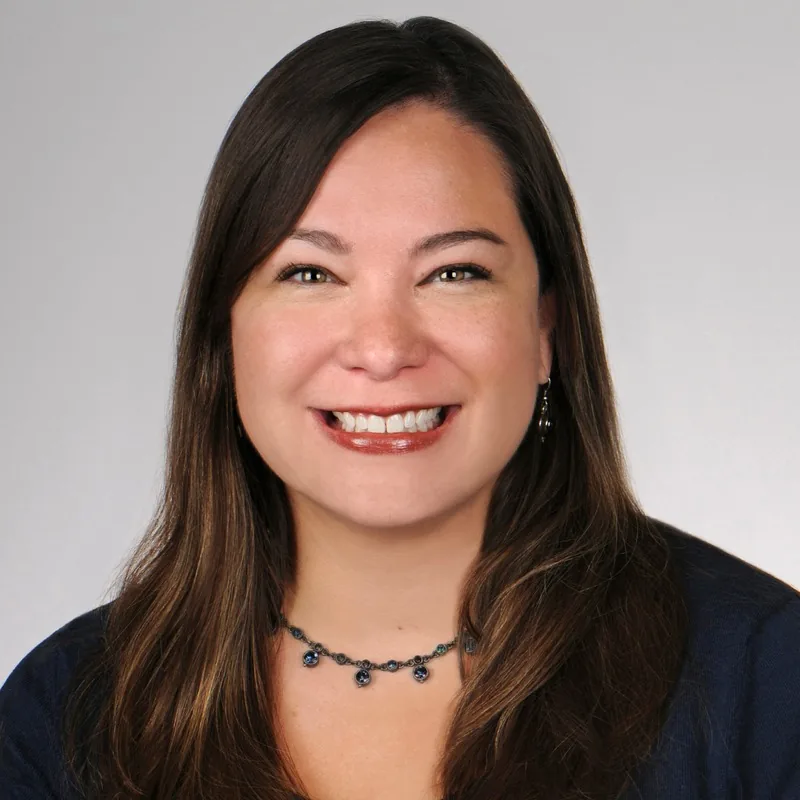
Renée D. Rienecke, PhD, FAED
Fellow of the Academy for Eating Disorders and Director of Research at Eating Recovery Center/Pathlight Mood & Anxiety Centers. A study therapist and supervisor on the NIMH-funded trials that established FBT as the standard of care for adolescent anorexia and bulimia, and founding developer of the University of Michigan and Medical University of South Carolina eating disorder programs. More than 115 peer-reviewed publications on FBT, expressed emotion, and treatment outcomes. FBT and CBT-E for adolescents, young adults, and adults: in person in Chicago and virtually in 40+ PSYPACT states.
Read Dr. Rienecke's full bio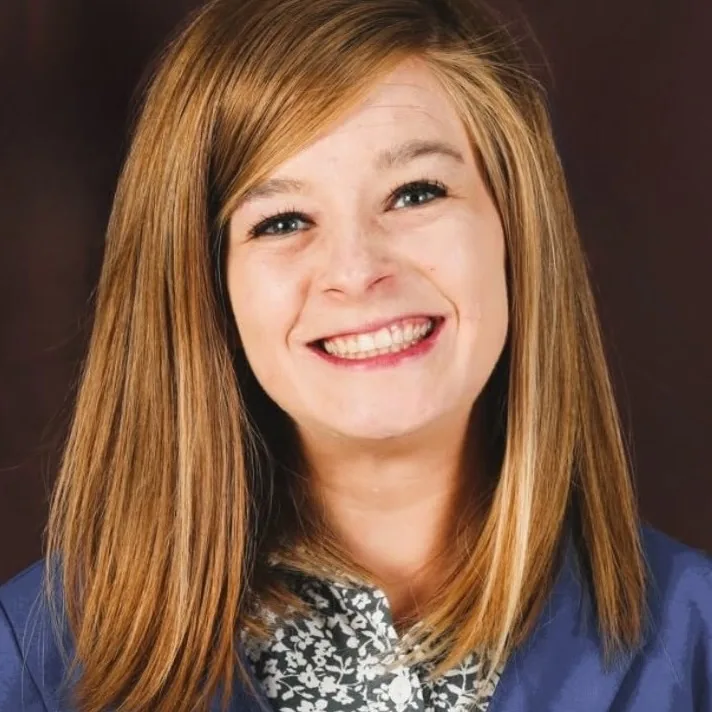
Kimberly Osborn, PhD
Specialty in eating disorders across children, teens, and adults: CBT-E, FBT, CBT-AR, and Feeling and Body Investigators (FBI) for young children with ARFID. Particular depth where an eating disorder co-occurs with OCD, anxiety, or trauma. Postdoctoral Fellow with the Eating and Anxiety Treatment (EAT) Lab at the University of Louisville, following her predoctoral internship at Duke University Medical Center, seeing patients at the Duke Center for Eating Disorders, and training on the adolescent inpatient unit of the Laureate Eating Disorders Program.
Read Dr. Osborn's full bio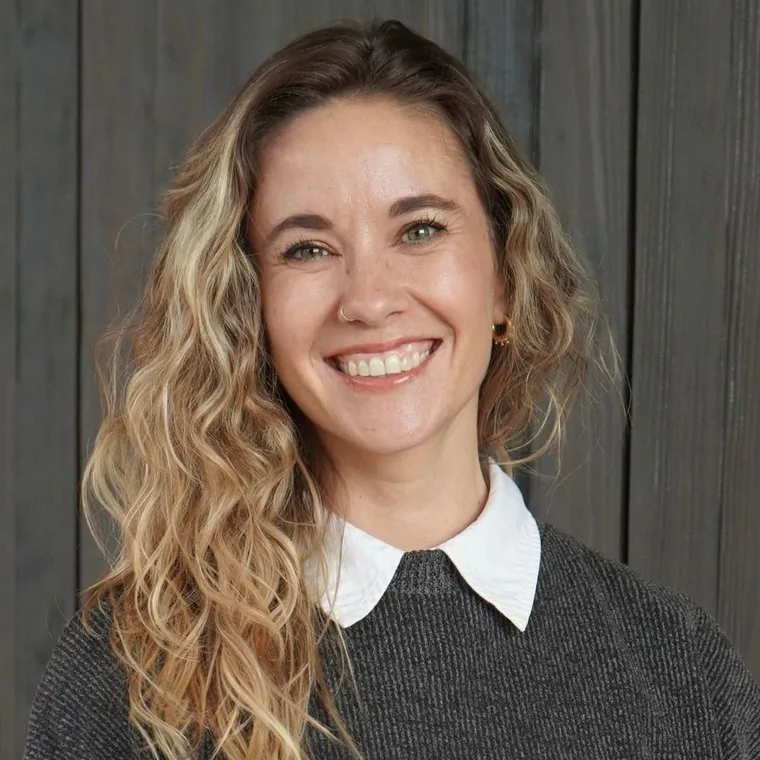
Kaitlin Hill, PhD
At Rogers Behavioral Health, one of the country’s leading eating disorder and OCD systems, she helped develop the manualized eating disorder protocol used across every level of care, from inpatient to outpatient, and supervised the teams delivering it. Her CBT-for-eating-disorders training began at the University of Hawai’i at Mānoa Eating Disorders Clinic under Dr. Kelly Vitousek, a pioneer of CBT for eating disorders, and she has taught nationally on exposure therapy for eating disorders.
Read Dr. Hill's full bio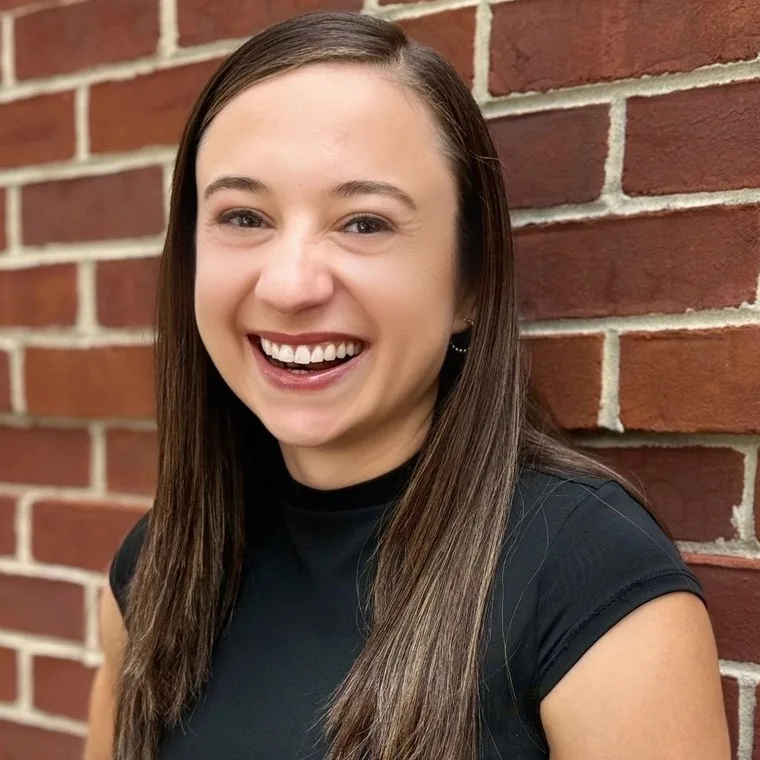
Eliza Lanzillo, PhD
Specialized training in eating disorder treatment alongside her ERP work in the Baylor College of Medicine OCD Program: FBT for adolescents and CBT-E for adults, with particular depth where eating disorders co-occur with OCD, anxiety, and mood or safety concerns. A former suicide-prevention researcher in the intramural program of the National Institute of Mental Health.
Read Dr. Lanzillo's full bio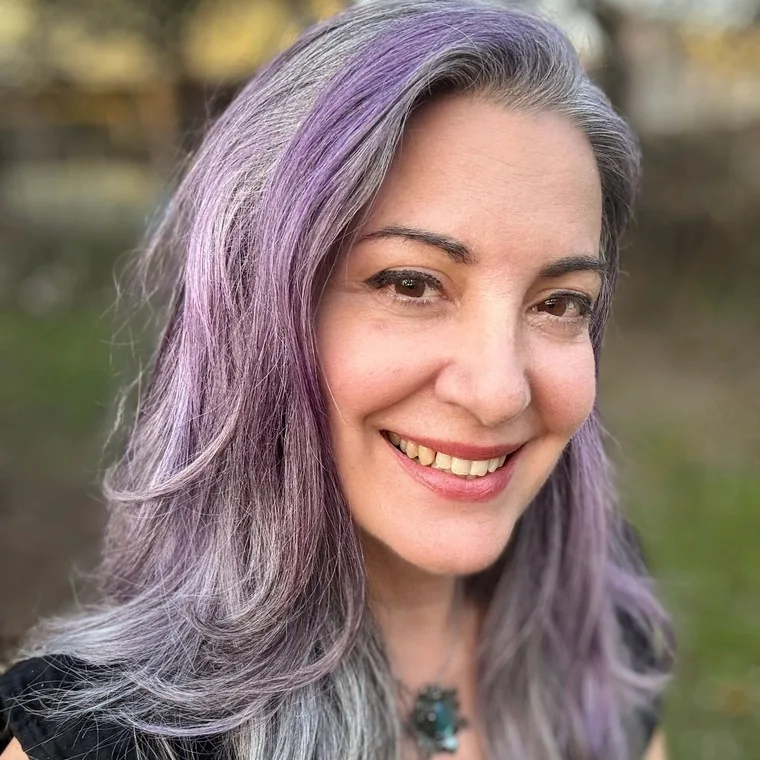
Nina Jolly
An FBT-trained caregiver peer mentor who has walked the path families are facing. She supports parents through what Family-Based Treatment actually demands, especially the hardest stretches, when you're doing everything right and recovery isn't visible yet. Profoundly complementary to the clinical care here, she gives families the one thing treatment can't prescribe: someone who has been through it and come out the other side.
Read Nina's full bio
Allie Appenzeller, PsyD
An expert in the anxiety and OCD that so often drive and accompany eating disorders, and in working with parents, the people FBT asks the most of. Founding Director of the ARPA School Anxiety and School Refusal Program at Baylor College of Medicine, where she is a Clinical Assistant Professor, she brings deep skill in helping families hold firm through refeeding and recovery.
Read Dr. Appenzeller's full bioReady to talk it through? Reach out and a clinician, not a scheduler, gets back to you within one business day; intensive inquiries typically hear back within hours.
Request a ConsultationFrequently Asked Questions: Eating Disorder Intensives.
- Lock J, Le Grange D, et al. (2010). Randomized clinical trial comparing family-based treatment with adolescent-focused individual therapy for adolescents with anorexia nervosa. Archives of General Psychiatry. View study
- Fairburn CG (2008). Cognitive Behavior Therapy and Eating Disorders. Guilford Press.
- Lock J, Le Grange D (2013). Treatment Manual for Anorexia Nervosa: A Family-Based Approach, 2nd ed. Guilford Press.
- Keys A, et al. (1950). The Biology of Human Starvation. University of Minnesota Press.
If You're Reading This, You Already Know Your Child, or You, Needs More Than What They're Getting.
You've probably already tried weekly therapy. You've probably already had the conversations, made the plans, sat through the meals. And you've probably already watched the eating disorder win, repeatedly, in the place where it matters most: your home.
That is not a failure of effort or love. It is a mismatch between treatment intensity and disorder severity. And it is exactly the mismatch our intensives exist to correct.
Reach out today. Intensive inquiries receive priority response, typically within hours. If we're the right fit, we will move quickly. If we're not, we'll tell you honestly and help you find who is.
Request a Consultation