
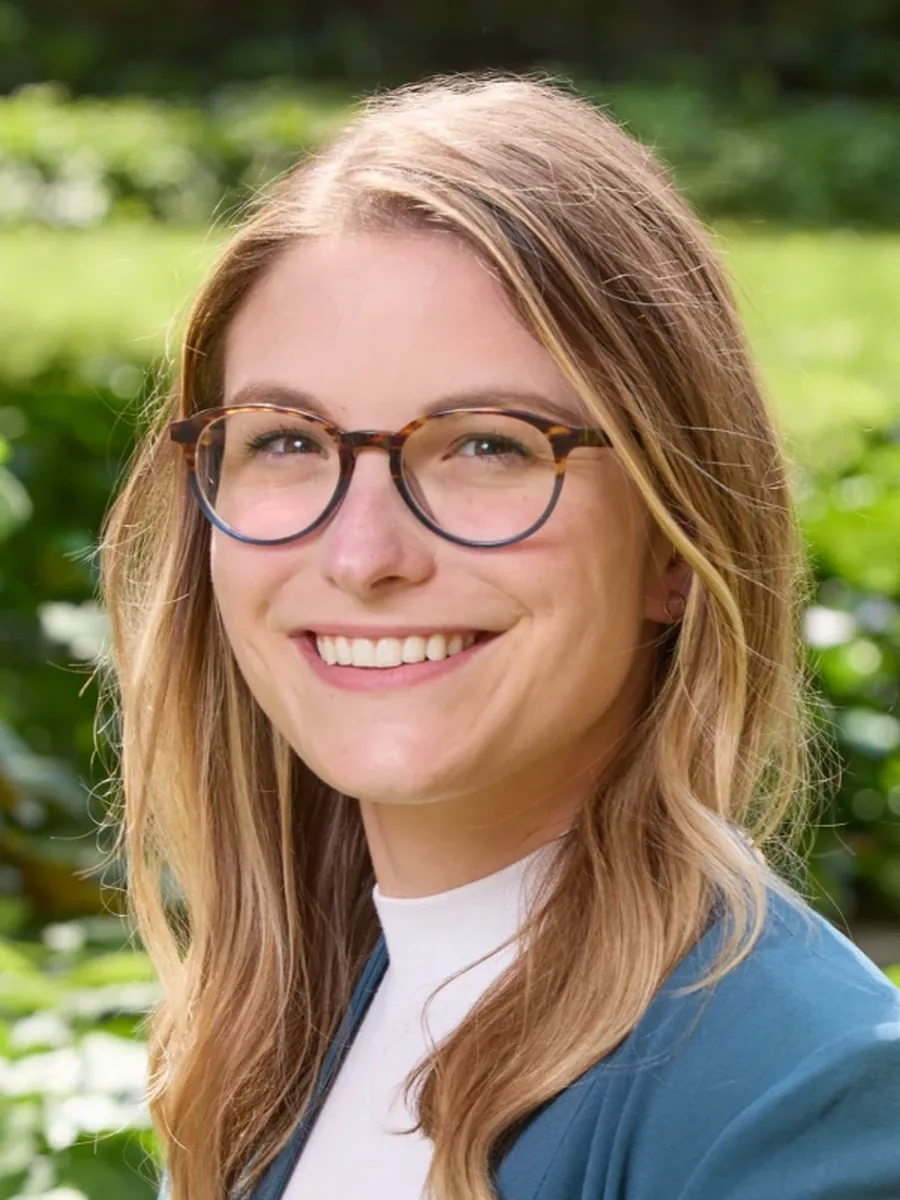
Teal Raffaele, PhD
Longer sessions & intakes prorated; virtual intensives at this same rate; in-home intensives billed separately. Our Fees & Insurance
About Dr. Teal Raffaele
I am a Licensed Psychologist specializing in the treatment of autistic and other neurodivergent individuals, especially when they are experiencing co-occurring mental health concerns. I specifically deliver evidence-based treatments for OCD, anxiety disorders, and depression as well as challenges with emotion regulation, transitioning to adulthood, and behavior in children, adolescents, and adults. Effective treatment requires understanding how OCD, anxiety, and emotional or behavioral difficulties can present differently in neurodivergent people and thoughtfully adapting evidence-based approaches to the individual. I pay particular attention to understanding the underlying processes that drive behavior and distinguishing OCD-related compulsions and anxiety-driven avoidance from neurodevelopmental difference. I focus intervention on sources of distress or barriers in daily life while respecting each person's neurodevelopmental profile.
My primary treatments for OCD and anxiety are Exposure and Response Prevention (ERP) and exposure-based Cognitive Behavioral Therapy (CBT). I also incorporate Acceptance and Commitment Therapy (ACT), Dialectical Behavior Therapy (DBT) skills, and mindfulness-based interventions for depression and emotion regulation difficulties. My work with parents includes Supportive Parenting for Anxious Childhood Emotions (SPACE), Parent Management Training (PMT), and RUBI, a behavioral parent training intervention developed specifically for families of autistic youth. I also draw on specialized interventions for autistic individuals, including Facing Your Fears, Unstuck and On Target, and Emotion Awareness and Skills Enhancement (EASE).
I earned my PhD in Clinical Psychology from The Catholic University of America, where I conducted research in the Cognitive and Affective Neurosciences (CAN) Lab under Dr. Nancy Adleman. During my doctoral training, I completed clinical externships at Children's National Hospital in Washington, D.C., providing CBT and behavioral parent training through its Hyperactivity, Attention, and Learning Problems Clinic and Center for Autism Spectrum Disorders. I also trained at the Kennedy Krieger Institute's Congenital/Genetic Clinic and Center for Autism and Related Disorders, conducting pediatric neuropsychological evaluations of children with autism and other complex neurodevelopmental and medical conditions.
I completed my predoctoral internship at the Yale Child Study Center and Yale New Haven Hospital, training in Yale's Program for Anxiety Disorders under Drs. Wendy Silverman and Eli Lebowitz, treating youth with and without neurodevelopmental diagnoses. There, I provided ERP and exposure-based CBT to children and adolescents with OCD and anxiety, and delivered SPACE under the direct supervision of Dr. Lebowitz, who developed the treatment. My additional training included Trauma-Focused CBT through Yale's Child and Adolescent Trauma Program.
I remained at the Yale Child Study Center for my postdoctoral fellowship, specializing in autism and neurodevelopmental disorders. I participated in multidisciplinary diagnostic evaluations of children and adults with complex developmental and psychiatric presentations, further developing my expertise in distinguishing neurodevelopmental differences from co-occurring mental health conditions. I also provided care on the children's psychiatric inpatient unit at Yale New Haven Hospital and participated in psychiatric consultation and safety evaluations for children and adolescents presenting in crisis to the pediatric emergency department.
Prior to joining EBTI, I served as a Clinical Psychologist at UPMC Western Behavioral Health's Center for Autism and Developmental Disorders in Pittsburgh, providing evidence-based treatment to autistic children, adolescents, and adults across a broad range of support needs. I also led adult autism diagnostic services, supervised doctoral psychology trainees, and trained other clinicians in adapting evidence-based psychotherapy for autistic patients. Through Dr. Carla Mazefsky's Regulation of Emotions in Autistic Adults, Children, and Teens (REAACT) research program, I served as the psychology lead on a study examining trauma and suicide risk in autistic adults. I also contributed clinical expertise to a multisite NIH Autism Center of Excellence study investigating adult mental health and suicide.
My experience across specialized clinical, hospital, and research settings has shaped how I approach complex presentations associated with neurodevelopmental diagnoses, OCD, anxiety, and emotional or behavioral difficulties. I am particularly committed to helping individuals and families who have struggled to find clinicians with expertise in both neurodevelopmental differences and evidence-based mental health treatment.
What It's Like to Work With Me
I particularly enjoy adapting therapy to meet the needs of neurodivergent people and their families. Together, we'll build a shared understanding of what brought you to treatment, identify what you would like to be different, and develop a plan for getting there. I'll tailor therapy to your communication and learning needs so that our work is accessible, meaningful, and aligned with your goals and values. With children and teens, I work closely with parents, because the routines and responses at home are often where change sticks.
If you are looking for specialized, evidence-based care for yourself or your child, I would welcome the chance to find out whether working together is the right fit.
My Training and Clinical Experience.
Before EBTI
Clinical Psychologist, UPMC Western Behavioral Health, Center for Autism and Developmental Disorders
2024 to 2026. Provided individual evidence-based therapy for autistic children, adolescents and adults across the range of support needs, including CBT, ACT, DBT skills, exposure-based and mindfulness-based treatment for anxiety, emotion regulation and related concerns. Provided consultation and education for providers on neurodiversity-affirming care. Led the center's adult diagnostic services and supervised doctoral psychology trainees.
Psychology Lead, Regulation of Emotions in Autistic Adults, Children, and Teens (REAACT) Program
2024 to 2026. Served as psychology lead on a study of trauma, suicidal thinking and suicidal behavior in autistic adults. Provided clinical expertise for research eligibility, including first-time autism diagnoses, in a multi-site NIH Autism Center of Excellence study of adult mental health and suicide. Adapted semi-structured clinical interviews and study protocols to ensure participant comfort and safety. Worked as on-call clinician for participant safety. Principal Investigator: Dr. Carla Mazefsky.
Postdoctoral Fellowship
Yale Child Study Center and Yale New Haven Hospital
2023 to 2024. Area of specialization: autism and neurodevelopmental disorders.
Children's Psychiatric Inpatient Unit, Yale New Haven Hospital
Administered intervention for children in an inpatient milieu. Supervised medical students.
Pediatric Emergency Department Psychiatric Consultation and Evaluation Service, Yale New Haven Hospital
Provided on-call psychiatric consultation and safety evaluation for young people in acute crisis.
Developmental Disabilities Clinic, Infant and Toddler Clinic, and Psychological Assessment Service, Yale Child Study Center
Acted as psychology lead on multidisciplinary teams for complex differential diagnosis of neurodevelopmental conditions from school age through adulthood; team-based developmental evaluation of toddlers. Supervisors: rotating clinical psychologists and Dr. Kelly Powell.
Predoctoral Fellowship
Yale Child Study Center and Yale New Haven Hospital
2022 to 2023.
Program for Anxiety Disorders, Yale Child Study Center
Delivered individual evidence-based therapy for children and adolescents with OCD, generalized and social anxiety, including ERP and SPACE protocols. Supervisors: Dr. Eli Lebowitz and Dr. Wendy Silverman.
Outpatient Clinic, Yale Child Study Center
Carried an outpatient therapy caseload of children and adolescents with mood disorders, OCD, generalized and social anxiety, executive functioning challenges and behavioral difficulties, integrating DBT, CBT, ACT, ERP and behavioral parent management. Supervisor: Dr. Sherin Stahl.
Child and Adolescent Trauma Program, Yale Child Study Center
Trained in Trauma-Focused Cognitive Behavioral Therapy (TF-CBT) and adapted it to the needs of individual families, including cases involving the state child welfare agency. Supervisor: Dr. Carla Stover.
Developmental Disabilities Clinic and Psychological Assessment Service, Yale Child Study Center
Participated in multidisciplinary evaluations for children and adolescents referred for possible autism, including advanced ADOS-2 training. Developed recommendations for children with complex social-emotional and neurodevelopmental needs. Supervisors: rotating clinical psychologists, Dr. Megan Goslin and Dr. Sherrill Werblood.
Predoctoral Clinical Training
Hyperactivity, Attention, and Learning Problems (HALP) Clinic, Children's National Hospital
2021 to 2022. Provided behavioral parent training for families of children with complex neurodevelopmental and medical needs and individual CBT for children and adolescents with social anxiety, depression, social difficulties, and ADHD. Supervisor: Dr. Lisa Efron.
Department of Neuropsychology, Kennedy Krieger Institute
2021 to 2022. Conducted neuropsychological evaluation in the Congenital/Genetic Clinic and the Center for Autism and Related Disorders, for children with seizure and genetic disorders and neurodevelopmental conditions. Supervisors: Dr. Rowena Ng and Dr. Lesley Pawluk.
Center for Autism Spectrum Disorders and Executive Functioning Clinic, Children's National Hospital
2020 to 2021. Implemented weekly telehealth CBT for autistic children and teens using Facing Your Fears and SPACE protocols. Conducted diagnostic and neuropsychological evaluation of young children and of school-age children with attention, executive functioning and learning difficulties. Supervisors: Dr. Ann Clawson, Dr. Laura Kenealy, Dr. Deborah Potvin, Dr. Kimberly Schauder and Dr. Meagan Wills.
University Counseling Center, The Catholic University of America
2019 to 2020. Administered weekly psychotherapy for undergraduates with neurodevelopmental conditions, anxiety and social adjustment difficulties. Co-led three PEERS for Young Adults social skills groups for autistic students.
Bridges Therapy and Wellness Center, Fairfax, Virginia
2019. Psychoeducational evaluation for children and adults referred for attention, learning and psychological concerns.
Selected Research
McPartland Lab, Yale University
2022 to 2023. Autism Biomarkers Consortium for Clinical Trials (ABC-CT): research on biomarkers of irritability. Principal Investigator: Dr. James McPartland.
Cognitive and Affective Neurosciences Lab, The Catholic University of America
2018 to 2023. fMRI research on social and emotional processing in children. Principal Investigator: Dr. Nancy Adleman.
Center for Autism Spectrum Disorders, Children's National Hospital
2020 to 2023. Understanding executive functioning, dysregulation and clinical and adaptive outcomes in autistic youth. Research supervisors: Dr. Cara Pugliese and Dr. Kimberly Schauder.
Autism Spectrum Disorder Program, Eastern Virginia Medical School
2015 to 2018. Supported clinical research with autistic young adults and their families, including emotion regulation, sexuality, caregiver stress and inclusion in clinical trials.
Education
PhD in Clinical Psychology
The Catholic University of America, 2023. Concentration in Children, Families, and Cultures. Dissertation: Investigating Executive Functioning in Transition-Age Autistic Youth.
MA in Clinical Psychology
The Catholic University of America, 2021.
MA in Psychology
College of William & Mary, 2015.
BA in Psychology, minor in Neuroscience
Wake Forest University, 2013.
Selected Presentations & Publications
Presentations
Beyond Myths and Misunderstandings: Navigating the Complexities of Clinical Work with Neurodiverse Adults
University of Pittsburgh Clinical Psychology Center.
Across the Spectrum, Across the Years
Allegheny County Department of Human Services & Emergency Services, Pittsburgh, Pennsylvania.
Considerations for Therapy with Autistic Adults
University of Pittsburgh Medical Center Services for the Treatment of Early Psychosis (STEP) Clinic.
Diversity Considerations for Psychological Assessment
Spring Faculty Diversity, Equity, and Inclusion Session, Yale University Child Study Center.
Publications
Adaptations for autistic adults in the Columbia-Suicide Severity Rating Scale
With J. Feldman, C. A. Mazefsky, C. M. Conner and colleagues.
Autism Spectrum Disorders
With C. Cukar-Capizzi and J. M. Wolf. In J. Donders and Y. Suchy (Eds.), Neuropsychological Interviewing of Children and Adolescents. Guilford Press.
Intellectual Developmental Disorder
With F. R. Volkmar. In Lewis's Child and Adolescent Psychiatry: A Comprehensive Textbook, 6th edition. Wolters Kluwer.
Adaptation of the PEERS for Young Adults social skills curriculum for college students with autism spectrum disorder
With N. C. Ridgely, A. A. Pallathra, C. Rothwell and B. A. Rich.
Social-emotional attention in school-age children: A call for school-based intervention during COVID-19 and distance learning
With P. Khosravi, A. Parker, S. Godovich, B. Rich and N. Adleman.
Outcomes of an emotion regulation intervention group in young adults with autism spectrum disorder
With K. Hartmann, M. R. Urbano and colleagues.
Sexuality in the Autism Spectrum Study (SASS): Reports from young adults and parents
With K. Hartmann, M. R. Urbano and colleagues.
Life after an autism spectrum disorder diagnosis: A comparison of stress and coping profiles of African American and Euro-American caregivers
With T. V. Williams, K. Hartmann, J. F. Paulson and M. R. Urbano.
Understanding facial expressivity in autism spectrum disorder: An inside out review of the biological basis and clinical implications
With S. I. Deutsch.
Clinical considerations for the inclusion of individuals with autism spectrum disorder in clinical trials
With M. R. Urbano, N. L. Kreiser, J. M. Flaherty and K. Hartmann.
Autism spectrum disorder in Latin American families: Experiences in Chile
With K. Hartmann and colleagues. Published as C. T. Kozikowski.
Frequently Asked Questions
Both. I work with autistic children, teens, and adults, including adults who learned they were autistic later in life. My research has focused on emotion regulation, trauma, and suicide risk in autistic adults, and I teach other clinicians how to adapt therapy for adults. For an adult, treatment for OCD, anxiety, or depression follows the same evidence-based principles it does for anyone, adjusted to how you take in information and to what you want from therapy.
No. You do not need a diagnosis, and you do not need to be sure. We treat the OCD, anxiety, depression, emotion regulation difficulties, or behavior that brought you in, and we adapt treatment to you whether or not a label is in place. EBTI is a treatment practice and does not provide formal diagnostic testing, such as autism or ADHD evaluations; if a formal evaluation would help, we can talk through where to look for one.
By what the behavior does. A routine that brings comfort or predictability, or an interest that brings joy, is not something we treat. A ritual driven by fear, or by a feeling that something is not right until it is done exactly so, and that grows and costs more over time, is likely OCD, and Exposure and Response Prevention is the first-line treatment for it. Many autistic people have both, and treatment protects the first while it targets the second.
Often, yes. Exposure-based treatment depends more on practice than on talk, so we lean on visuals, concrete steps, and doing rather than discussing. With SPACE, parents learn to respond differently to their child's anxiety at home, which can lower that anxiety even if your child never joins a session. Many families see change at home before a reluctant child agrees to come.
The Evidence-Based Treatment Institute is a private-pay practice and is not in-network with any insurance companies.
We provide superbills for patients to submit for possible out-of-network reimbursement. Reimbursement depends on your specific insurance plan and benefits, and HSA/FSA cards are accepted.
More information is available on our Fees & Insurance page.
Availability varies depending on current caseload, scheduling preferences, and the type of treatment needed. I see patients in person in Pittsburgh and by telehealth across Pennsylvania. My PSYPACT authorization is pending.
If you are interested in working with me, please submit an inquiry through our Get Started page. Our team will review your needs, determine whether my areas of expertise are a good match, and follow up regarding availability and next steps.
If you or someone you love is in immediate danger, please call or text 988 (the Suicide & Crisis Lifeline), go to your nearest emergency room, or dial 911.
Let's Find Out If We're the Right Fit.
Whether it's OCD, anxiety, meltdowns that have taken over the house, or an adult who wants therapy that finally fits, submit a new patient inquiry and we'll be in touch within one business day to discuss fit, approach, and next steps.
Request a Consultation